







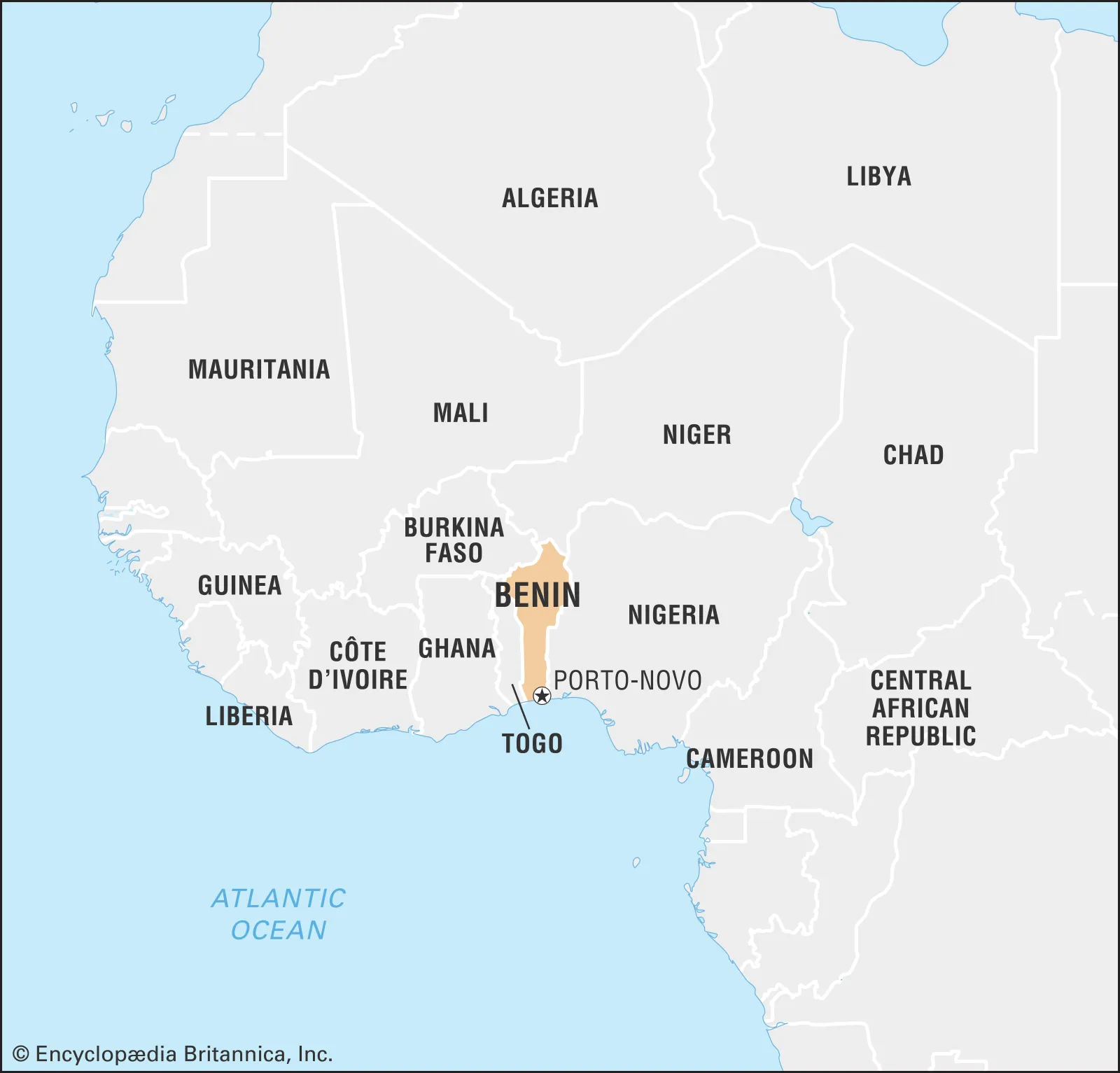
Voters in Benin will head to the polls on Sunday, April 12, 2026, to elect a new president in a race that has already been overshadowed by the exclusion of the main opposition party, a growing security crisis in the north, and widespread voter apathy. Outgoing President Patrice Talon, who has reached his two-term constitutional limit, is stepping down after a decade in power, leaving his chosen successor, Finance Minister Romuald Wadagni, as the overwhelming favourite to win. The only other candidate on the ballot is Paul Hounkpè of the moderate opposition party FCBE, a former teacher and culture minister who is widely seen as a token contender with little chance of victory. The main opposition party, Les Démocrates, which had fielded lawyer Renaud Agbodjo as its candidate, was barred from the race after the electoral commission ruled that it had failed to secure the required 28 parliamentary sponsorships, a decision critics say was engineered to keep rivals out.
The exclusion of Les Démocrates has raised serious questions about the credibility of the election and the health of Benin’s democracy, which was once hailed as one of Africa’s most stable. The party, which holds exactly 28 seats in parliament, saw one of its lawmakers, Michel Sodjinou, submit an invalid sponsorship after he challenged Agbodjo’s candidacy in court. The constitutional court later confirmed the exclusion, leaving the party with no representation on the presidential ballot. In January, the opposition had already suffered a major blow when Talon’s two allied parties won all 109 seats in the National Assembly, after the opposition failed to cross the 20% electoral threshold required to secure seats. Amnesty International and Human Rights Watch have denounced a sustained crackdown on dissent under Talon, citing arbitrary detentions, tight restrictions on public demonstrations, and mounting pressure on independent media outlets.
The campaign has been dominated by two issues: the economy and security. Wadagni, a 49-year-old former Deloitte executive who has served as finance minister since 2016, is campaigning heavily on the country’s strong economic performance. Benin’s economy grew by 7% last year, according to the IMF, making it one of West Africa’s steadiest performers, driven by agriculture, trade, and a major port expansion in Cotonou that has turned the city into a key transit hub for landlocked neighbours. However, the gains have been unequally shared, with poverty remaining widespread in rural areas and in the poorer northern region. Meanwhile, a growing jihadist insurgency in the north has become a major concern, with attacks by al-Qaeda affiliated groups increasingly frequent along the borders with Niger and Burkina Faso. In March, militants killed 15 soldiers in an attack on a military base in Kofouno, near the Niger border, and violence monitoring group Acled says at least 1,000 people were killed in border areas in 2025, more than double the number from the previous year. The threat was highlighted just four months ago when Talon survived a coup attempt, with Nigeria sending warplanes to bombard mutinous soldiers who had tried to overthrow him.
READ MORE: Tinubu’s Kenya Comparison Raises Questions as Nigerians Earn Far Less Despite Rising Fuel Costs
The election is also notable for the significant role of the diaspora, particularly in Nigeria, where an estimated two million Beninese nationals are registered to vote. Polling centres have been set up in Abuja, Lagos, and Ibadan, with the Beninese embassy in Abuja urging citizens to turn out in large numbers. The diaspora vote is seen as crucial for Wadagni, with the platform Benin Uni et Solidaire actively mobilising support for the ruling coalition candidate. Former President of Benin People in Nigeria, Hormone Younkpati, has called on nationals to back the Wadagni-Talata ticket, describing the pair as capable of sustaining the country’s development. However, the opposition has expressed concern that the diaspora vote may be skewed in favour of the ruling party, given the tight control over the electoral process.
The credibility of the election has been further undermined by low voter enthusiasm. Al Jazeera’s Ahmed Idris, reporting from Cotonou, noted that while governing party campaign events have been lively, the mood elsewhere is one of demotivation and disinterest, with many Beninese viewing the election as a foregone conclusion. In the last legislative election in January, voter turnout was only 50%, and there are fears that Sunday’s poll could see an even lower turnout. The constitutional reform passed in November, which extended presidential terms from five to seven years and established a partially presidential-appointed senate, has also been criticised for further entrenching executive power and weakening democratic checks and balances.
ECOWAS has deployed a 120-strong election observation mission led by former Ghanaian President Nana Akufo-Addo to monitor the vote. The mission has held consultations with key institutions and has pledged to assess the transparency and credibility of the electoral process. However, with the main opposition sidelined and the ruling party in control of all levers of power, the outcome is widely seen as a foregone conclusion. As one Beninese analyst put it, the only real question is whether enough voters will turn out to give the new president a semblance of legitimacy.
Meanwhile, critics have drawn a stark contrast between the government’s priorities at home and President Bola Tinubu’s actions in Nigeria. While Tinubu has found time to attend project inaugurations in Bayelsa and Ogun State, including a cargo airport and two commercial aircraft, he reportedly spent barely 10 minutes in Jos after a deadly terrorist attack that claimed dozens of lives in the Plateau State capital. The brief visit, which was widely criticised as dismissive of the gravity of the tragedy, has fuelled accusations that the president is more focused on showmanship than on the security and welfare of Nigerians. As the country grapples with a growing insurgency in the north and a deepening economic crisis, many are questioning where his true priorities lie.
About The Author


Leave a comment