





Ghana Turns National ID into a Payment Card, Becomes First in Africa
 West Africa WeeklyApril 2, 20263 Mins read18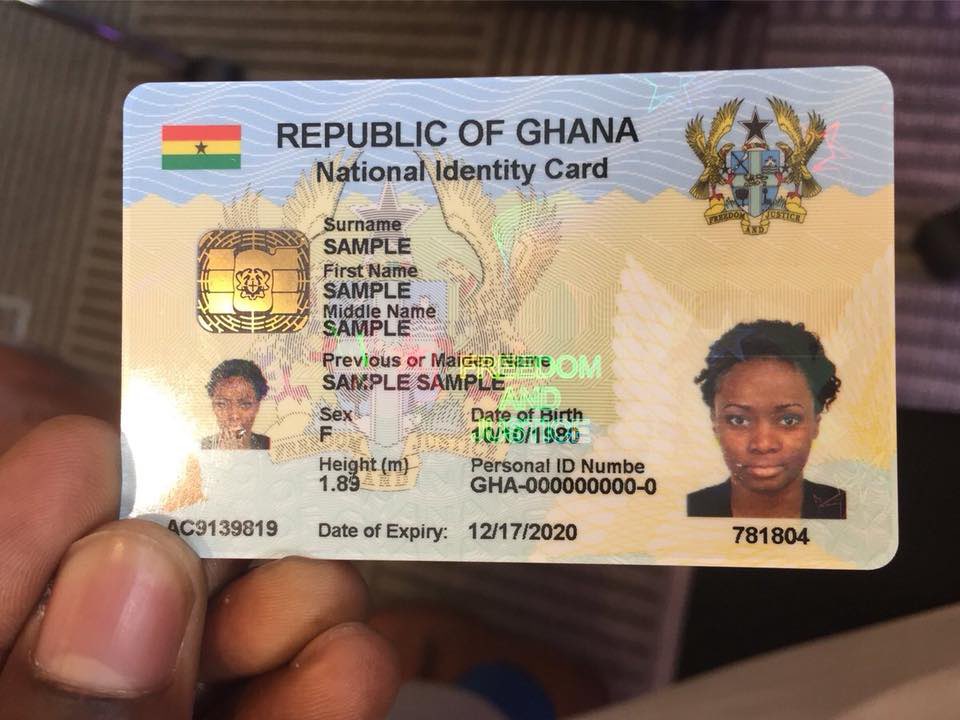
Ghana has become the first country in Africa to integrate a fully functional digital wallet into its national identity card, a move that transforms the Ghana Card from a simple identification document into a payment instrument capable of making purchases, withdrawing cash and sending money across borders.
The new feature, announced by the National Identification Authority (NIA), allows Ghana Card holders to use the card at automated teller machines, make payments in stores and online, execute cross-border transactions in more than 200 countries, and access supplementary services such as insurance coverage and emergency assistance. The wallet builds on what the NIA has described as a triple-purpose vision for the Ghana Card: identity, passport and payments. The e-passport function was activated in 2022, enabling the card to be accepted as a passport in 197 countries worldwide. Now the e-wallet has gone live.
Current holders of the Ghana Card can activate the payment feature by using the MyCitizens mobile application or by dialing the USSD code *402# on any mobile phone. The system is not tied to any single bank or financial institution. Instead, the NIA has designed the embedded wallet as a uniform platform designed to integrate all banks, allowing users to link their existing accounts without switching providers.
Why This Move Matters
Ghana’s credit card penetration rate was forecast at just 0.6 percent in 2024 and was projected to continue declining in subsequent years. By embedding a wallet directly into a nationally issued ID card, the government is attempting to ease the bottlenecks that have kept millions of Ghanaians outside the formal financial system. The goal is to bring the unbanked and underbanked into digital finance without requiring them to open traditional bank accounts or apply for conventional credit cards.
The initiative is powered by the Ghana Interbank Payment and Settlement Systems (GhIPSS), the national payment switch created by the Bank of Ghana. With the upgrade, the Ghana Card’s embedded chip now includes payment capability that connects directly to Ghana’s domestic banking and digital payment network, reducing reliance on foreign card networks such as Visa and Mastercard. Officials have said the goal is not necessarily to eliminate international payment cards but to prioritise domestic infrastructure that keeps more transaction value within the local economy.
READ MORE: India Sends 1,000 Metric Tonnes of Rice to Burkina Faso Amid Worsening Humanitarian Crisis
A Shift Toward Sovereign Payments
The development is part of Ghana’s broader effort to strengthen its homegrown digital payment ecosystem. The country already operates several domestic payment platforms, including the e-zwich biometric smart card system and interoperable mobile money networks that allow users to transfer funds across different telecom operators and banks. The integration of payment features into the national ID card builds on those efforts by combining identity verification and financial access into a single tool.
If adoption proves successful, Ghana could be testing a model where the need for global card infrastructure providers is significantly reduced, and identity-based systems emerge as a new foundation for payments across Africa. The NIA has also expressed interest in a partnership with the Ghana Gold Board, the sole authority with exclusive rights to trade and export gold within the country, to use the Ghana Card as a platform for gold trading and tokenised transactions. It remains unclear whether this integration has been activated, as the recent announcement only indicated the availability of the payments feature.
What This Means for Africa
By turning the Ghana Card into a payment instrument, authorities hope to make digital transactions more accessible and reduce barriers to participating in the formal financial system. The initiative could influence other African countries exploring ways to build sovereign payment systems that rely less on international card networks. Countries such as Nigeria have already begun pursuing similar goals through domestic card initiatives aimed at strengthening local payment processing.
For the average Ghanaian, the new feature means carrying one less card. The same plastic card used to register a SIM card, apply for a passport and verify identity at a bank can now be used to buy goods, withdraw cash and pay bills. Whether that convenience translates into widespread adoption will depend on how quickly the banking sector integrates with the platform and whether trust in the system grows among a population that has historically preferred cash.
But the direction is clear. Ghana has decided that a national ID should not just prove who you are. It should also help you pay.
About The Author

Related Articles
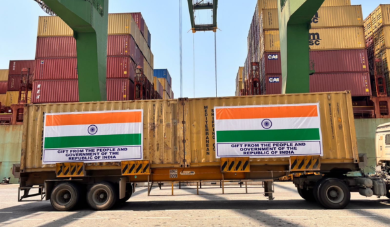
India Sends 1,000 Metric Tonnes of Rice to Burkina Faso Amid Worsening Humanitarian Crisis
India has dispatched a consignment of 1,000 metric tonnes of rice to...
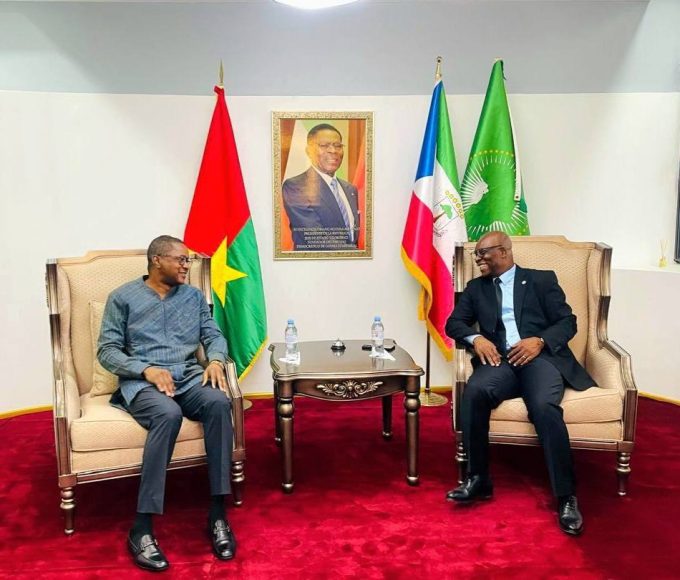
Burkina Faso and Equatorial Guinea Pledge Stronger Bilateral Cooperation as Foreign Minister Visits Malabo
Burkina Faso’s Minister of Foreign Affairs, Karamoko Jean Marie Traoré, has completed...

General Tiani Approves New Territorial Defense Forces as Niger Mobilizes Citizens
Niger has established new civilian self‑defense units known as Domol Leydi, a...


Nigeria Finance Minister Edun Warns Against Borrowing as Senate Approves Tinubu’s $6bn Loan in Under 3 Hours
The Minister of Finance and Coordinating Minister of the Economy, Wale Edun,...
Leave a comment