


Nigeria Finance Minister Edun Warns Against Borrowing as Senate Approves Tinubu’s $6bn Loan in Under 3 Hours
 West Africa WeeklyApril 1, 20261 Mins read1.4k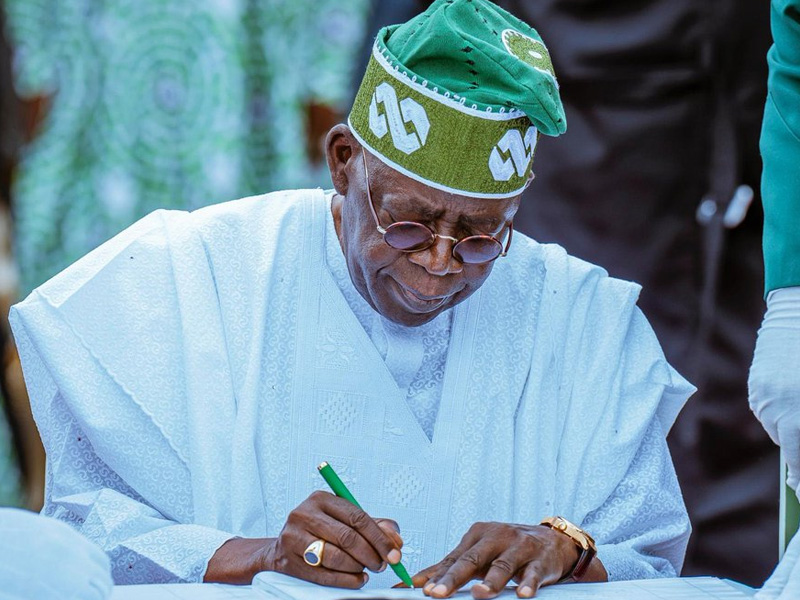
The Minister of Finance and Coordinating Minister of the Economy, Wale Edun, issued a clear warning on Tuesday, stating that Nigeria cannot sustain reliance on external borrowing while losing significant resources to inefficiencies and illicit financial flows. He emphasised that domestic revenue mobilisation must become the priority.
However, despite this alarm, President Bola Ahmed Tinubu took an opposite stance by securing legislative approval for a new $6 billion external loan.
The disparity is unmistakable. The government recognises that Nigeria is haemorrhaging revenue and cannot afford a debt-dependent model. Yet, it continues to increase the country’s debt burden, adding billions of dollars to an already overwhelming debt load.
Nigeria’s public debt has surged dramatically in recent years, reaching tens of trillions of naira, with debt servicing consuming a substantial portion of government revenue. The approval of this latest loan perpetuates a pattern of borrowing to address unresolved fiscal gaps.
Edun’s stance underscores a critical truth: Nigeria possesses ample revenue potential but faces systemic collection failures, accountability issues, and leaks. Billions are lost through inefficiencies and illicit flows, yet these losses persist as new loans are taken to fund budgets and projects.
Meanwhile, public confidence continues to erode amid ongoing questions about fund management. High-profile expenditures—such as solar projects at Aso Rock and the Vice President’s residence, and reports of other non-essential spending have only intensified perceptions of misaligned priorities.
This disparity between policy rhetoric and government action has widened the trust gap. Calls for fiscal discipline, revenue reform, and reduced borrowing are met with decisions that reinforce dependence on debt.
For many Nigerians facing rising living costs, currency volatility, and limited economic opportunities, this issue is visceral. Borrowing without tangible improvements in infrastructure, services, or economic prospects prompts a fundamental question: What is the real impact?
The problem extends beyond an isolated loan approval. It signifies a broader challenge—whether Nigeria will address its structural fiscal issues or continue to rely on debt while core problems remain unaddressed.
Until revenue leakages are halted and public spending aligns with strategic priorities, each new loan will only deepen financial strain without producing meaningful change.
About The Author


Related Articles
Police Claimed Mines Prevented Rescue of NYSC Members, But Corps Members Walked Out of the Forest After Ransom Was Paid
The release of 20 abducted National Youth Service Corps members in Imo...
Tinubu’s 30-Day Petrol Discount Sparks Fury as Nigerians Accuse Government of Electoral Bribe and Propaganda
The Federal Government’s announcement of a 30-day discount on petrol at NNPC...
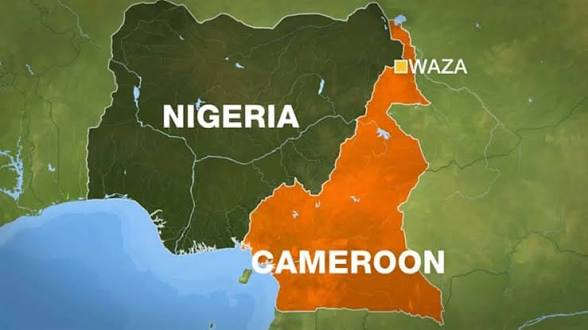
Cameroon Commits to Stronger Bilateral Ties with Nigeria
Cameroon has reaffirmed its commitment to strengthening bilateral relations with Nigeria, pledging...


Ghana Borrows $288 Million at 11% to Pay Cocoa Farmers After Delayed Purchases
Ghana’s cocoa regulator has been forced to borrow 3.39 billion cedis, about...
Leave a comment