


Tinubu Government Pushes Electric Vehicles While Nigerians Struggle to Charge Phones Amid a Collapsing Grid
 West Africa WeeklyMarch 27, 20262 Mins read674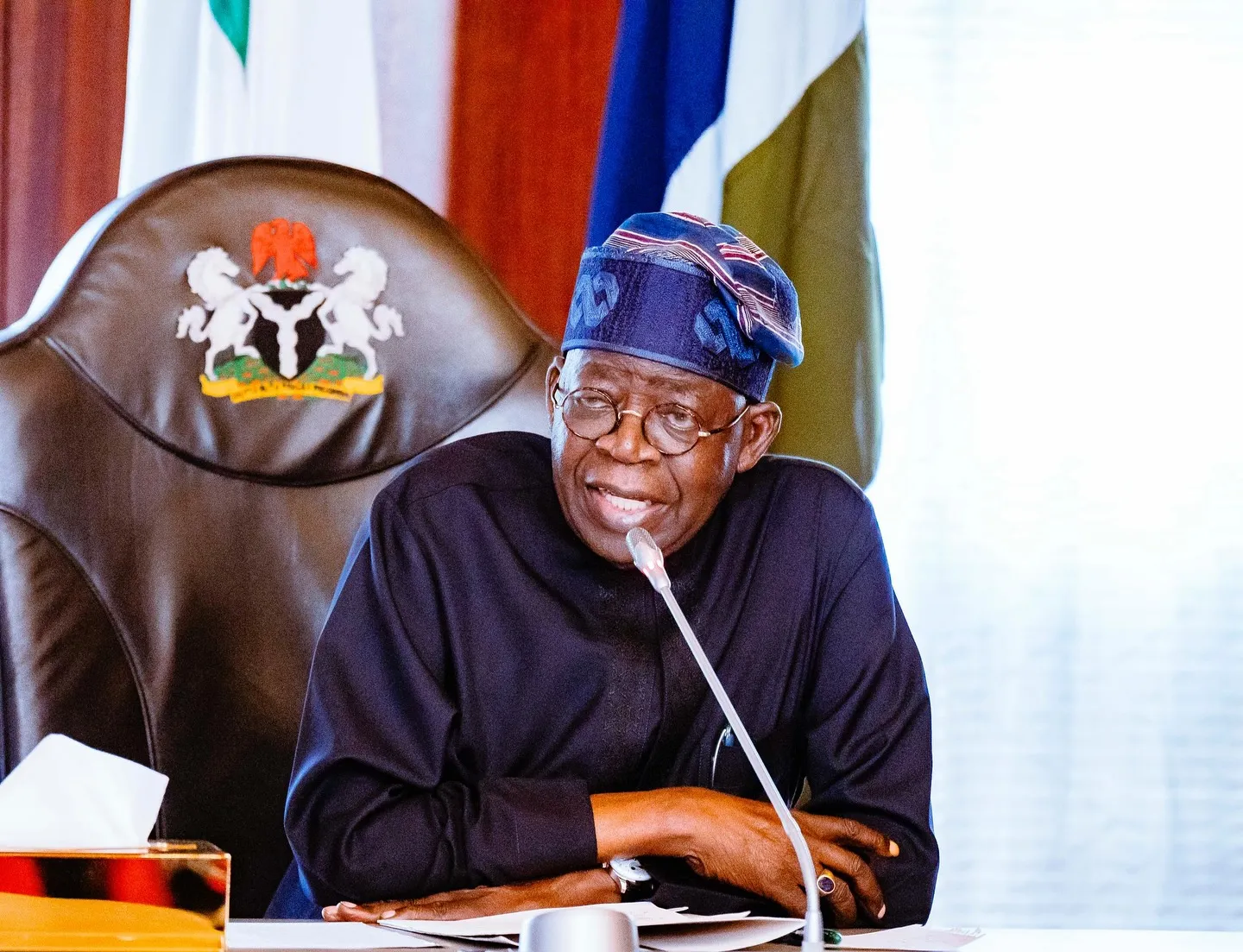
The presidency announced this week that it is pushing for the adoption of electric vehicles in Nigeria, a move framed as part of a forward-looking strategy to embrace clean energy and reduce reliance on fossil fuels. The announcement quickly drew sharp ridicule from Nigerians who pointed to a glaring contradiction. How do you charge an electric vehicle in a country where most people cannot even charge their phones?
The question was posed by many across social media, summing up the collective frustration of a nation that has endured nearly three years of worsening power supply under President Bola Tinubu. Just days before the EV announcement, the Minister of Power stood before cameras apologizing for what he called temporary blackouts, explaining that Nigerians were suffering through the heat with no electricity. Businesses are affected, schools are affected, and millions are sweating in the dark.
Yet the same government that cannot keep the national grid stable now wants citizens to invest in electric cars. The same government that is spending over N17 billion to take Aso Rock off the grid by March 2026, ensuring that the president and his aides never experience a blackout, is now telling ordinary Nigerians to embrace a technology that depends entirely on reliable electricity.
The disconnect is not lost on anyone. In 2022, candidate Tinubu promised that if he did not provide steady electricity within four years, Nigerians should not vote for him again. That promise was made four years ago. Today, the country generates barely enough power to serve a fraction of its population, and the grid collapses have become routine. In this context, the idea of electric vehicles is not innovation. It is a cruel joke.
Nigerians have pointed out that even if they could afford electric vehicles, which are significantly more expensive than petrol cars, there are no charging stations to power them. There is no reliable national grid to keep those stations running. And there is no plan from the government to build the infrastructure that would make EV adoption remotely feasible. What exists instead is a pattern. A government that prioritizes image over substance, that announces grand policies while failing to deliver basic services, that spends billions to power the presidential villa while leaving the rest of the country in darkness.
The electric vehicle push is the latest in a series of policies that seem designed to impress foreign audiences rather than address the daily realities of Nigerians. It joins the list that includes borrowing £746 million from the UK to rehabilitate ports with British steel, awarding $700 million contracts to convicted money launderers, and signing agreements to reintegrate Boko Haram associates. Each announcement is met with the same question from Nigerians. Who exactly is this government serving?
For now, the EV push remains exactly that, a push with no infrastructure, no power, and no clear path to implementation. Nigerians are left with the same reality they have faced for nearly three years. Unstable electricity, unaffordable fuel, and a government that seems to live in a different country entirely. One where the lights never go out, where electric cars are a realistic option, and where the struggles of ordinary people are reduced to a footnote in a press release.
The question posed on social media after the announcement was simple and devastating. How do you charge the electric vehicles if you have not solved the power issue? Three years into this administration, Nigerians are still waiting for an answer.
READ MORE: Victor Osimhen Named Greatest Foreign Player in Galatasaray History
About The Author



Related Articles
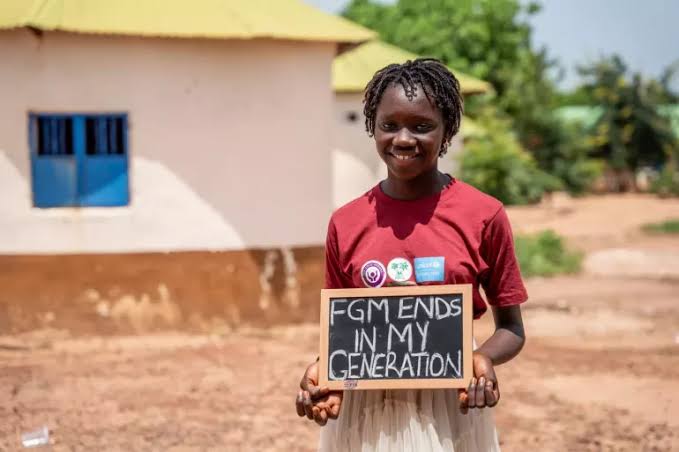
Gambia’s FGM Ban Under Threat as Imam Abdoulie Fatty and MP Almameh Gibba Push to Make Cutting Girls Legal Again
Two men are leading the charge to overturn The Gambia’s ban on...
Peter Obi Rejects $123m Anambra Debt Claim, Says He Left Over $150m in Funds
Peter Obi has rejected claims that he left Anambra State with $123...
Senegal Signs $3.5bn Refinery Deal With Turkey’s Yamata to Process Local Crude, Target West African Fuel Market
Senegal’s state refiner, the Société Africaine de Raffinage (SAR), has signed a...

Tinubu Awards $7bn Ogun Deep Seaport Deal to Chagoury-Linked DP World as Nigerians Question His Priorities
President Bola Tinubu’s administration has awarded two major Ogun State deep seaport...
Leave a comment