


Sahel Alliance Rejects EU Resolution, Calls It Foreign Interference
 West Africa WeeklyMarch 24, 20261 Mins read1.2k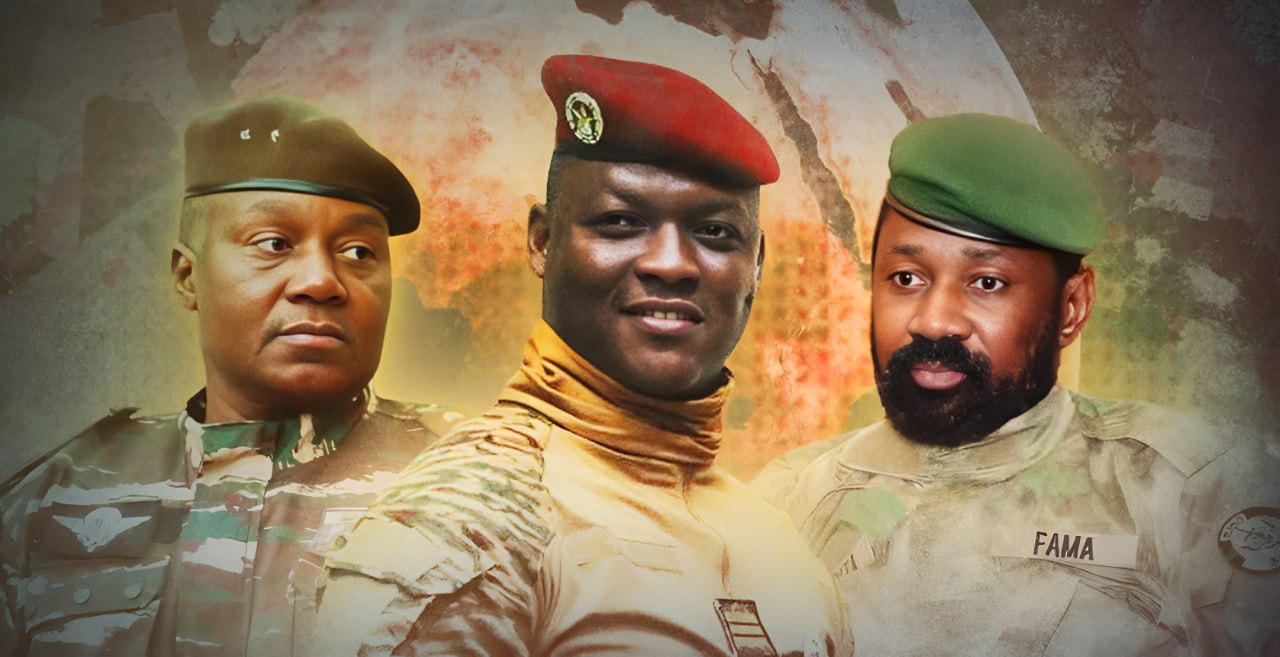
The Alliance of Sahel States has strongly rejected a recent resolution by the European Parliament, describing it as interference in the internal affairs of sovereign nations.
In a statement issued by Burkina Faso’s transitional president, Captain Ibrahim Traoré, who currently chairs the confederation, the bloc criticised the European Parliament’s March 12 resolution which called for the release of Niger’s detained former president, Mohamed Bazoum. The Alliance said the move reflects what it described as a pattern of external pressure driven by geopolitical interests rather than genuine concern for democracy or human rights.
Traoré accused European lawmakers of applying double standards, arguing that they have remained largely silent over years of insecurity in the Sahel, including attacks on civilians, while now invoking humanitarian concerns in response to political developments in Niger. According to the statement, such positions undermine the credibility of European institutions in the region.
READ MORE: Malian Army Kills 40 Militants, Frees 12 Hostages in Kayes Operation
The Alliance also framed the resolution as part of a broader attempt to maintain influence in West Africa, pointing to what it called lingering neo-colonial attitudes. It argued that external actors continue to prioritise strategic and economic interests over the welfare of local populations.
The statement further stressed that member states of the Alliance would not accept directives from foreign powers. It called on European actors to focus on their own internal challenges rather than, in its words, spreading misinformation about the situation in the Sahel.
The Alliance of Sahel States, which includes Mali, Burkina Faso and Niger, has in recent years taken a more assertive stance against Western influence, particularly following military takeovers in the three countries. The bloc has been working to strengthen political, economic and security cooperation among its members as it seeks greater autonomy on the global stage.
The latest exchange highlights growing tensions between Sahel governments and European institutions, as both sides continue to clash over governance, security and the future direction of the region.
About The Author

Related Articles
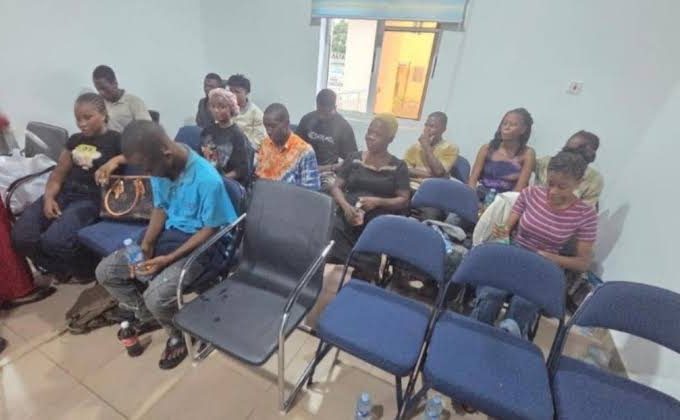
Police Claimed Mines Prevented Rescue of NYSC Members, But Corps Members Walked Out of the Forest After Ransom Was Paid
The release of 20 abducted National Youth Service Corps members in Imo...
Tinubu’s 30-Day Petrol Discount Sparks Fury as Nigerians Accuse Government of Electoral Bribe and Propaganda
The Federal Government’s announcement of a 30-day discount on petrol at NNPC...
Cameroon Commits to Stronger Bilateral Ties with Nigeria
Cameroon has reaffirmed its commitment to strengthening bilateral relations with Nigeria, pledging...


Ghana Borrows $288 Million at 11% to Pay Cocoa Farmers After Delayed Purchases
Ghana’s cocoa regulator has been forced to borrow 3.39 billion cedis, about...
Leave a comment