




Tinubu sells Nigeria again to the West as he agrees to take back UK criminals and failed asylum seekers while borrowing to build UK industry
 West Africa WeeklyMarch 20, 20264 Mins read1.1k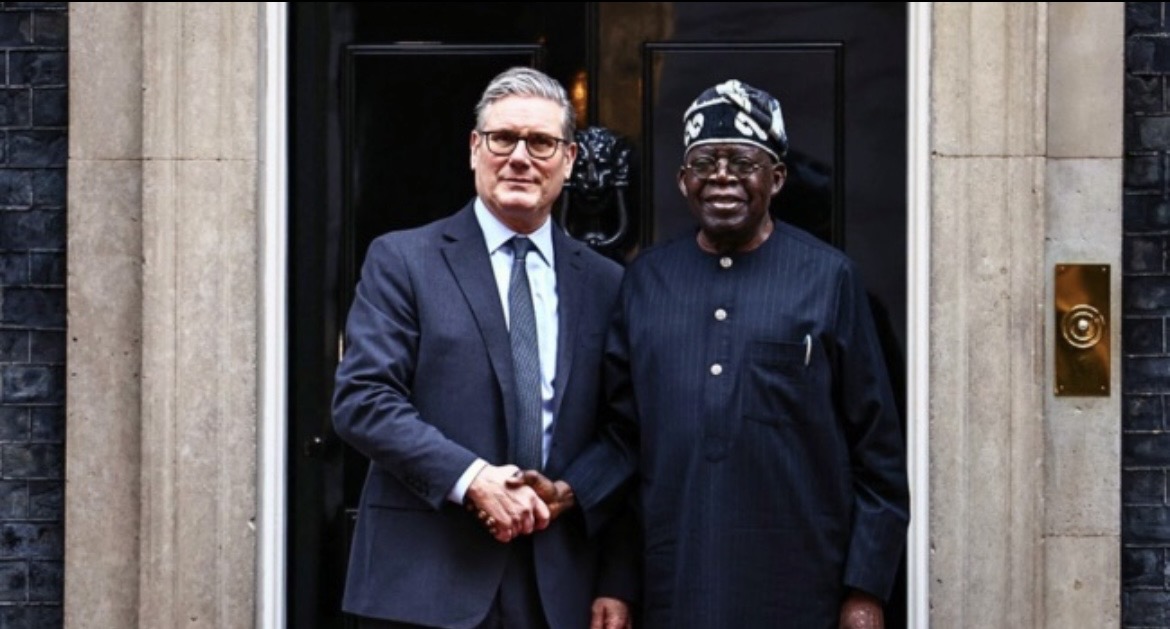
President Bola Tinubu just returned from a state visit to the United Kingdom, the first by a Nigerian leader in 37 years. He came back with two major agreements. One is a migration deal that will see thousands of Nigerians deported from the UK. The other is a £746 million loan for port rehabilitation that heavily favors British companies. Nigerians are asking the same question. What exactly did Nigeria gain?
The migration agreement, signed by Interior Minister Olubunmi Tunji-Ojo and UK Home Secretary Shabana Mahmood, allows Britain to deport failed asylum seekers, convicted criminals, and visa overstayers to Nigeria at an accelerated pace. The deal removes a key barrier that previously slowed down removals. Nigeria has now agreed to accept UK-issued identification documents, known as UK letters, in place of passports . This means people without valid Nigerian travel papers can now be deported without waiting for emergency travel documents to be issued.
Over 2,000 Nigerians are currently in deportation categories in the UK. Data cited by UK authorities indicates that about 961 Nigerians have exhausted their asylum appeal rights, while an additional 1,110 Nigerian offenders are awaiting deportation . The deal essentially opens a pipeline for these individuals to be sent back to Nigeria. The UK Home Office confirmed that annual return rates to Nigeria have already nearly doubled to 1,150 cases .
In a series of statements issued after criticism began circulating online, the Nigerian presidency scrambled to clarify the terms of the agreement. Temitope Ajayi, senior special assistant to the president on media and publicity, insisted that the deal only applies to Nigerian citizens, not foreign nationals . “The Nigerian government is not taking back non-Nigerians,” Ajayi said. “The UK government is not compelling Nigeria to take those who are not our citizens” .
The Ministry of Interior added that the agreement guarantees returnees will be treated with dignity and may even re-enter the UK in the future if they meet applicable immigration requirements . The deal includes provisions for case-by-case identity verification, safeguards for vulnerable individuals and potential trafficking victims, and frameworks for information sharing between both countries .
But the migration deal is only half the story. During the same visit, Tinubu’s government also signed a £746 million export finance deal with the UK, approximately $990 million or N1.4 trillion . The loan, guaranteed by UK Export Finance, is meant to rehabilitate the Apapa and Tin Can Island port complexes in Lagos . These two ports handle more than 70 percent of Nigeria’s imports and exports .
The structure of the deal heavily favors British companies. British Steel will supply 120,000 tonnes of steel for the project under a contract valued at £70 million . At least 20 percent of the project components must be sourced from the UK, generating an estimated £236 million in supplier contracts for British companies . The UK government did not hide this. Peter Kyle, the UK trade secretary, said the steel contract is the largest export backed by UKEF for British Steel and will “support jobs and growth in Scunthorpe” .
So to summarize, the UK gets to deport its unwanted Nigerian population faster, using identification documents Nigeria now accepts. The UK gets a major export deal for its steel industry, paid for by a loan that Nigeria will repay. And Nigeria gets ports that will be upgraded by British companies using British materials. The UK economy benefits directly. Nigeria gets debt.
The timing is also worth noting. The UK has been scrambling to find new deportation partners after its controversial Rwanda plan collapsed . Nigeria has now emerged as a key destination under this new strategy. With documentation barriers removed and no clear limits on numbers, the deal could create a sustained and large-scale return pipeline.
This is the context in which the Nigerian government framed the visit as a diplomatic triumph. Tinubu spoke of deepening trade ties and economic cooperation. But the numbers tell a different story. The UK gets deportation rights. The UK gets loan guarantees. The UK gets steel contracts. Nigeria gets returnees, debt, and a government that insists this is progress.
Compare this with how the UK treats other countries. When the UK signed similar deals with China and India, the terms were structured differently. Those countries have leverage. They negotiate from strength. Nigeria, under this administration, appears to be negotiating from a position of desperation.
And then there is the bigger question. Nigeria already has a terrorism problem, with nearly 190,000 people killed since 2009, according to the International Society for Civil Liberties and the Rule of Law. Over 15 million Nigerians are displaced. Thousands of communities have been destroyed. The country is in no position to absorb thousands more people, many of whom are convicted criminals or failed asylum seekers with no ties to the country beyond their passport. Yet the government is now facilitating exactly that.
The migration deal and the loan deal were signed during the same visit. They are connected not by any official link, but by the pattern they reveal. A government that appears willing to accept whatever terms are offered. A president who frames debt and deportation as achievements. And a UK administration that has found a willing partner in a country desperate for foreign validation.
The presidency has spent the days since the visit trying to control the narrative, issuing clarifications and dismissing critics as purveyors of misinformation. But the facts are not in dispute. Nigeria will now accept deportees faster. Nigeria will now repay a £746 million loan that funnels money to British companies. And the government expects Nigerians to celebrate.
This is the state of leadership in a developing country that should know better. A terrorism crisis at home. A displacement crisis across the north. And a president who returns from London with agreements that serve the UK far more than they serve the people who elected him.
About The Author



Related Articles

Barrick Reaches Deal With Mali Unions to Avert Strike at Loulo-Gounkoto as Government Tightens Grip on Gold
Barrick Mining has signed a new collective bargaining agreement with unions at...
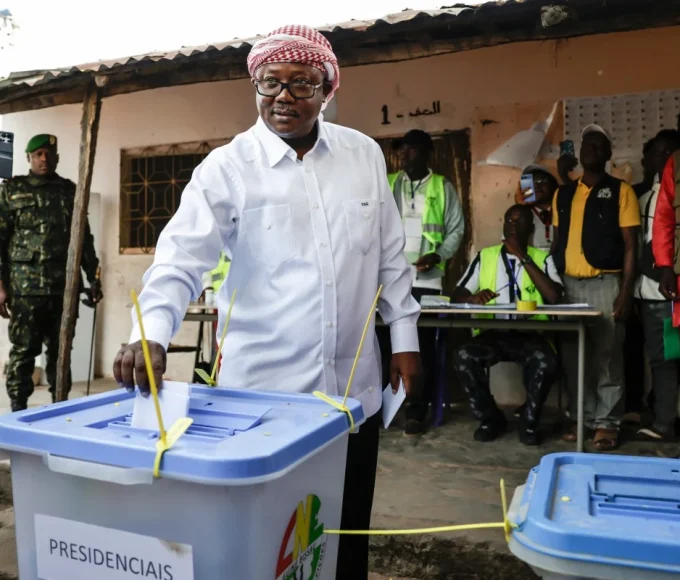
Guinea-Bissau’s Ousted President Embalo to Return From Exile and Run in December Election
Guinea-Bissau’s exiled former president, Umaro Sissoco Embalo, has announced that he will...
Aaron Greenspan Accuses Tinubu of Lying to Court Over 1993 Political Status in FOIA Case
Aaron Greenspan, who is pursuing a Freedom of Information Act lawsuit against...


Nigeria Grows 2.3 Million Tonnes of Tomatoes and Still Spends $360 Million Importing Paste
Nigeria is Africa’s second-largest tomato producer. The country grows about 2.3 million...
Leave a comment