






Atlas Oranto Hit by Licence Loss in Equatorial Guinea, Senegal, Venezuela
 West Africa WeeklyFebruary 11, 20262 Mins read1.6k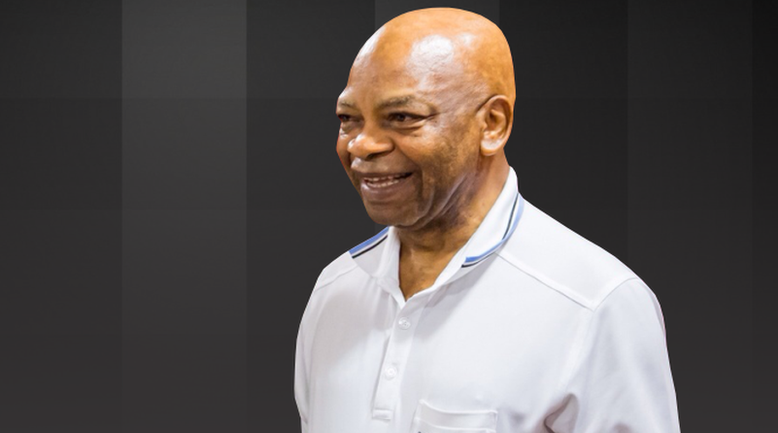
Nigerian oil magnate Arthur Eze’s company, Atlas Oranto Petroleum, is facing a series of setbacks across multiple energy projects, with the loss of a key offshore gas stake in Equatorial Guinea marking the most significant blow.
The company recently lost its interest in a strategic gas licence, Block I, an offshore asset that includes the Aseng field and plays a central role in Equatorial Guinea’s gas export system. Atlas Oranto previously held a 27 per cent stake in the block. Still, the interest was transferred to the state oil company, GEPetrol, following disputes over delayed payments linked to licence costs.
The ownership change followed efforts by operator Chevron to disengage from its Nigerian partner, arguing that Atlas Oranto had failed to meet certain financial obligations. The shift in stake ownership is expected to clear the way for the long-delayed Aseng Gas Monetisation Project, a multibillion-dollar development considered vital to the country’s gas expansion plans.
Under the new arrangement, GEPetrol’s increased stake will be carried by Chevron during the development phase, with the costs to be recovered from future production. The change allows the project to move forward without immediate financial strain on the state.
READ ALSO: Arthur Eze Loses Senegal Offshore Oil Block as Government Reclaims Licence
The Equatorial Guinea development is part of a broader pattern of challenges facing Atlas Oranto in several countries. In Senegal, authorities revoked the company’s long-held Cayar Offshore Shallow exploration licence after officials said it failed to meet regulatory requirements. The government cited the company’s inability to provide the necessary bank guarantees and its limited exploration activity since the block was first awarded in 2008.
Beyond Africa, Atlas Oranto is also dealing with uncertainty in Venezuela, where it had pursued offshore gas opportunities through a subsidiary. The company had signed agreements with the state oil firm to carry out technical and economic studies on two offshore gas fields.
However, changes in United States policy toward Venezuelan oil, along with new legislation aimed at restructuring the country’s energy sector, have created fresh uncertainty. Contracts linked to the previous political order are now facing possible renegotiation or cancellation as authorities seek to attract new investors and increase oversight of oil revenues.
Taken together, the developments represent a difficult period for Atlas Oranto, which for decades built a reputation as one of Africa’s most prominent indigenous oil companies. The loss of key licences and growing regulatory pressure across different jurisdictions highlight the changing dynamics in the global energy sector, where governments are tightening compliance requirements and reworking long-standing agreements.
For Atlas Oranto, the coming months may determine whether it can stabilise its operations and rebuild its position in strategic energy projects across Africa and beyond.
READ MORE: Kogi Shuts Markets and Motor Parks in Crackdown on Terrorists
About The Author



Related Articles

Gambia’s FGM Ban Under Threat as Imam Abdoulie Fatty and MP Almameh Gibba Push to Make Cutting Girls Legal Again
Two men are leading the charge to overturn The Gambia’s ban on...
Peter Obi Rejects $123m Anambra Debt Claim, Says He Left Over $150m in Funds
Peter Obi has rejected claims that he left Anambra State with $123...
Senegal Signs $3.5bn Refinery Deal With Turkey’s Yamata to Process Local Crude, Target West African Fuel Market
Senegal’s state refiner, the Société Africaine de Raffinage (SAR), has signed a...


Tinubu Awards $7bn Ogun Deep Seaport Deal to Chagoury-Linked DP World as Nigerians Question His Priorities
President Bola Tinubu’s administration has awarded two major Ogun State deep seaport...
Leave a comment