






South East Residents Get Relief as Sit at Home Is Cancelled
 West Africa WeeklyFebruary 9, 20261 Mins read647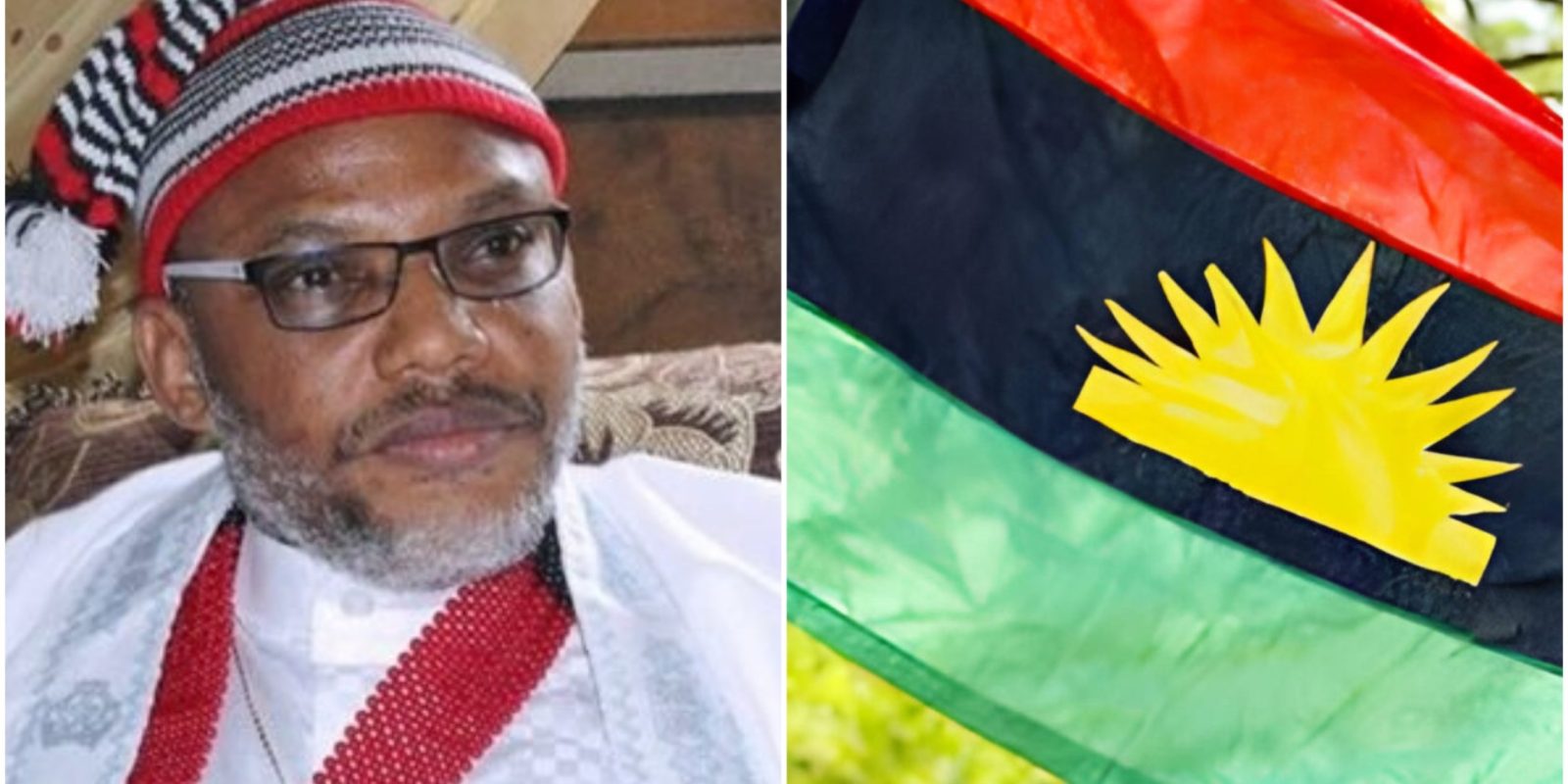
Nnamdi Kanu has announced the cancellation of the long-running sit-at-home order that has affected economic and social life across the South East. The decision marks a significant shift in a protest tactic that had become a weekly disruption across much of the region.
The sit-at-home began as a symbolic protest tied to Kanu’s detention and the broader agitation for Biafra. Over time, it evolved into a regular shutdown that forced businesses, schools, and transport services to close every week. While the original intention was to show solidarity, the policy gradually turned into a source of fear and economic loss.
Many traders and transport operators had complained that they were losing income because of the shutdowns. In several communities, enforcement of the order turned violent as unknown gunmen attacked those who attempted to open their shops or go about their daily activities.
The cancellation is being seen as an attempt to reduce tension and restore everyday life in the region. Residents in major cities have expressed relief, saying they hope the announcement will lead to the full return of commercial activities.
READ MORE: Audit Raises Alarm Over Dozens of Questionable Projects Under Tinubu
Local business owners say the weekly closures have caused severe damage to the regional economy. Markets that once bustled with activity became quiet on sit-at-home days, while schools struggled to maintain academic schedules.
Security agencies have also faced challenges linked to the order. The shutdown days often created an atmosphere of uncertainty, with reports of attacks and clashes in some areas.
Observers say the decision to cancel the directive could help rebuild trust and calm nerves in the region. However, many people remain cautious, noting that similar announcements in the past did not always translate into complete compliance on the ground.
For now, the move has been welcomed by residents who are eager to return to regular routines. Many hope it will mark the beginning of a more stable period in the South East, where businesses can operate freely, and communities can move without fear.
About The Author



Related Articles
Peter Obi Rejects $123m Anambra Debt Claim, Says He Left Over $150m in Funds
Peter Obi has rejected claims that he left Anambra State with $123...

Senegal Signs $3.5bn Refinery Deal With Turkey’s Yamata to Process Local Crude, Target West African Fuel Market
Senegal’s state refiner, the Société Africaine de Raffinage (SAR), has signed a...

Tinubu Awards $7bn Ogun Deep Seaport Deal to Chagoury-Linked DP World as Nigerians Question His Priorities
President Bola Tinubu’s administration has awarded two major Ogun State deep seaport...

Niger Introduces Prior Declaration for Large Cash Transports in Anti-Terrorism Push
Niger’s government has announced new rules requiring a prior declaration for the...
Leave a comment