




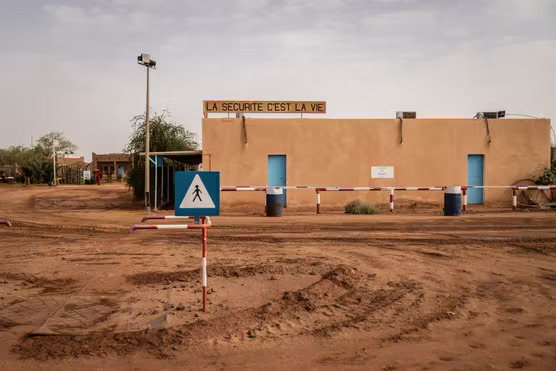
Niger’s military government has moved to place uranium from the recently nationalised SOMAIR mine on the international market, marking one of its most assertive steps since taking control of the country’s strategic resources. State television announced the decision at the end of November, quoting junta leader Abdourahamane Tiani, who said Niger will sell its uranium to any buyer under market rules and in complete independence. The move effectively ends decades of dominance by the French nuclear fuel company Orano, which previously managed extraction and exports from the Arlit mining zone.
Officials in Niamey say the decision is part of a broader effort to reclaim national resources and correct what they describe as a long history of foreign exploitation. Since the 2023 coup that installed the junta, Niger has sharply redefined its foreign partnerships and pushed back against traditional allies, particularly France. Uranium is central to this shift because it remains one of Niger’s most valuable and politically sensitive exports.
Tension around the sector intensified in recent days after a large uranium convoy reportedly left the SOMAIR site despite an international ruling ordering a halt to such transfers. According to security sources, the shipment contained more than 1,000 tons of uranium concentrate, commonly known as yellowcake. The destination is unknown, and the government has not confirmed who purchased the material.
The situation has alarmed Orano, which said it was not involved in the convoy and has no information on the buyer or the safeguards used during transport. The company warned that moving uranium outside established international protocols presents serious safety and security risks, particularly if proper monitoring and containment procedures are not followed.
The dispute underscores the growing assertiveness of Niger’s military government and raises new questions about the future of resource governance in the Sahel. Analysts say the country’s decision to sell uranium independently could reshape global supply chains at a time when demand for nuclear fuel is rising. It also places Niger at the centre of a geopolitical contest between traditional Western partners and new actors seeking access to strategic minerals.
For now, the international community is watching closely. The sale of uranium on the open market and the uncertainty surrounding the recent convoy signal a new phase inNiger’ss political and economic realignment. The outcome is likely to influence not only regional stability but also global energy and security calculations.
READ MORE: Guinea-Bissau Junta Bans Protests Ahead of ECOWAS Visit
About The Author





Leave a comment