




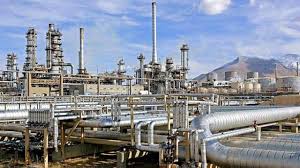
Reports emerging a few days after recent allegations against the Nigerian National Petroleum Company (NNPC) Limited by Alhaji Aikko Dangote, founder of Dangote Petroleum Refinery, have revealed that a total of $2.25 billion of petrol was imported from Malta to Nigeria within the last nine years.
According to the PUNCH, information on the Trade Map revealed that petroleum oils originating from bituminous minerals importation by Nigeria have leapt from $47.5 million in 2013 to $2.8 billion in 2023, a 342 per cent increase.
In terms of the amount the country spent on fuel importation, 2014 saw $59.98 million worth of fuel entering Nigeria. 2015 came with $117.01 million, while 2016 was $13.32 million.
No record of importation was made from Malta between 2017 and 2022. The largest increase was in 2023, with imports totalling $2.08 billion.
There are reports that a series of figures like this prompted allegations by Dangote that top officials at NNPC owned blending plants in Malta.
As controversies continue to surround his refinery, Dangote alleged that some employees of the NNPC have opened blending plants in Malta, thus crippling local procurement of petroleum products.
He said, “Some of the terminals, some NNPC people and some traders have opened blending plants somewhere off Malta. We all know these areas. We know what they are doing.”
However, the Group Chief Executive Officer of the NNPC, Mele Kyari, has denied these allegations.
Kyari said, “I do not own or operate any business directly or by proxy anywhere in the world except for a local mini-agric venture, neither am I aware of any employee of the NNPC that owns or operates a blending plant in Malta or anywhere else in the world.”
Recall Dangote’s comments were made in the wake of accusations made by the Chief Executive of the Nigerian Midstream and Downstream Petroleum Regulatory Authority, Farouk Ahmed, that diesel products from the Dangote refinery contained higher sulphur content than imported products.
Ahmed said Nigeria would have to continue importing fuel to avoid a monopoly—claims Dangote labelled as an attempt to tarnish his refinery’s credibility.
Dangote had also earlier announced that the Nigerian National Petroleum Corporation (NNPC) now holds only a 7.2 per cent stake in the refinery, down from its initial 20 per cent. According to Dangote, the reduction in NNPC’s shareholding results from the corporation’s failure to meet its financial obligations.
Read More:
- H1 2024: Nigeria’s Vehicle Imports Drops By 60% Due To Naira Volatility, High Customs Duties
- H1 2024: Dangote Cement Reports 85% Pre-tax Profit, Struggles With +118% YoY Increase In Production Costs
About The Author