




”Remove fuel, electricity subsidy” – IMF urges FG
 Oluwasegun SanusiMay 13, 20241 Mins read1.2k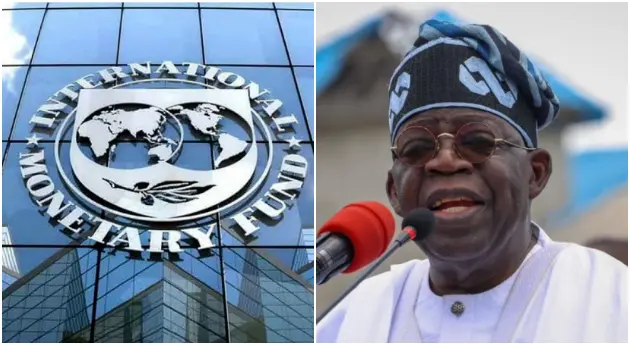
The International Monetary Fund (IMF) has issued a stern warning to the Nigerian government, urging the removal of what it termed “implicit fuel and electricity subsidies,” as soon as the social protection scheme has been enhanced and inflation subsides.
It issued the warning in a recent report titled “Nigeria: 2024 Article IV Consultation”.
According to the IMF, failure to address these subsidies could result in dire economic consequences for the nation.
The report highlighted that these subsidies would consume a substantial three per cent of Nigeria’s Gross Domestic Product (GDP) in 2024, a significant increase from the one per cent recorded in the previous year.
IMF economists stress that eliminating these subsidies is essential for creating fiscal space to drive development spending and bolster social protection measures while maintaining debt sustainability.
Recall that President Bola Tinubu removed petrol subsidy during his inauguration on May 29, 2023. However, On April 15, 2024, Nasir el-Rufai, ex-governor of Kaduna state, and a (screened out) nominee for ministerial appointment made assertions that the federal government was still spending on petrol subsidies more than past administrations.
His sentiment was echoed by Gabriel Ogbechie, chief executive officer (CEO) of Rainoil Limited, on April 17, he said the federal government now spends N600 billion on petrol subsidy monthly.
According to the IMF the reintroduction of implicit subsidies, particularly in fuel pricing below cost, has exacerbated fiscal challenges.
Furthermore, the IMF’s report highlighted that the price of electricity has surged, particularly impacting high-use premium consumers on Band A feeders. This segment represents 15 per cent of the 12 million customers and accounts for 40 per cent of electricity usage.
IMF projections indicated a higher fiscal deficit than anticipated in Nigeria’s 2024 budget, attributing this increase to the persistence of implicit fuel and electricity subsidies.
Other contributing factors include lower oil and gas revenue projections, the suspension of excise measures outlined in the medium-term expenditure framework, and rising interest costs.
About The Author



Related Articles

Machete-Wielding Man Kills Security Guard at Lekki Cinema, Suspect Dies in Mob Attack
Two people have died following a violent attack at IMAX Cinemas in...
Gunfire Erupts in Niger’s Capital as Insurgents Attempt to Storm Presidential Palace
Heavy gunfire rocked Niger’s capital, Niamey, overnight as insurgents from within the...

D’Tigers Suffer Second Straight Loss as World Cup Hopes Fade
Nigeria’s men’s basketball team, the D’Tigers, suffered their second consecutive defeat in...

Tinubu Files Court Motion to Block Release of US Drug Records
President Bola Tinubu has filed a motion in a United States federal...