


5 Foreign Giants Own Ghana’s Gold, but Ghanaians Own Nothing
 West Africa WeeklyJune 9, 20262 Mins read677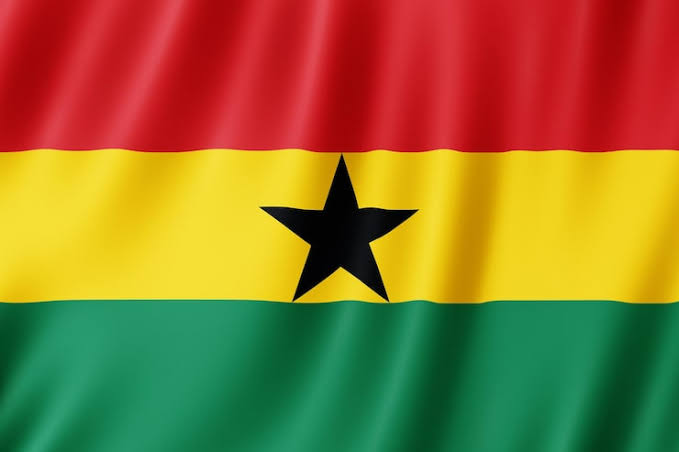
Ghana is rich in gold. But a viral post on social media has ignited a fierce debate over who truly owns that wealth, with many Ghanaians complaining that their country has become a “foreign property” where citizens are reduced to mere laborers.
The post, shared by user @iamneare, lists the five largest gold mining companies operating in Ghana: the American giants AngloGold (owned by BlackRock) and Newmont, Canada’s Kinross Gold, Australia’s Perseus Mining, and China’s Shandong Gold. The post then points out that the refined gold ends up in major destinations like the UAE, Switzerland, and India, concluding with a blunt accusation: “Ghana is literally a Foreign Property.”
Top countries with the largest Gold mines in Ghana
1. AngloGold (BlackRock) 🇺🇸USA
2. Newmont 🇺🇸USA
3. Kinross Gold 🇨🇦Canada
4. Perseus mining 🇦🇺Australia
5. Shandong Gold 🇨🇳China
Major destinations includes UAE, Switzerland and India.
Ghana is literally a Foreign Property… https://t.co/KlyeikrYLU
— KING ELOM👑🌕 (@iamNeare) June 9, 2026
This sentiment is not new, but it has sharpened into a national crisis. Ghana is Africa’s largest gold producer and the world’s sixth-largest, yet its people feel they see little of the staggering wealth being pulled from their soil.
The numbers tell a shocking story. In 2025, Ghana’s gold exports generated roughly $20 billion. Yet, analysts estimate the state captures only about 10% of the total mineral value through royalties, dividends, and taxes. Under the current system, which was designed when gold was far cheaper, companies can pay as little as 3% to 5% in royalties. This means that as global gold prices have soared past $5,100 per ounce, the bulk of the windfall has flowed to foreign shareholders, not to Ghanaian schools, hospitals, or roads.
The frustration has boiled over into action. The government in Accra is now attempting what many call a historic power grab from the multinationals.
New mining laws have been proposed that would tie royalty rates to the price of gold, forcing companies to pay between 9% and 12% when prices are high—a potential increase of up to $1.4 billion in annual government revenue. Simultaneously, the Minerals Commission has given giants like Newmont, AngloGold Ashanti, and Chinese-owned Zijin a December 2026 deadline to shift mining operations to fully Ghanaian-owned local contractors, or face sanctions.
The reaction from the West has been swift and coordinated. The United States, China, and several European governments have all signaled discomfort, a level of unified concern that observers say goes beyond routine diplomacy and enters the realm of “strategic anxiety.”
Mining companies warn that the changes could undermine Ghana’s competitiveness and scare off future investment. Local industry groups have called the royalty proposal a “double-edged knife” that could risk long-term financing. But for ordinary Ghanaians watching their gold leave in foreign ships, the debate is simpler. A country that produces six million ounces of gold in a year should not leave its own citizens feeling like strangers in their own land.
If Ghana succeeds, it will be a landmark victory for resource nationalism in Africa. If it fails, the viral image of a wealthy nation serving as little more than a pit for foreign miners will be difficult to erase. The world is now watching to see if Ghana can turn its “foreign property” back into its own.
About The Author


Related Articles

Niger Introduces Prior Declaration for Large Cash Transports in Anti-Terrorism Push
Niger’s government has announced new rules requiring a prior declaration for the...
Umahi Turns Rehabilitated Niger Bridge Into Tinubu Campaign Billboard, Campaigns for APC Votes as Commuters Count Losses
The First Niger Bridge is set to reopen next week after a...
World Bank Pledges $25m for Nigeria’s $300m Off-Grid Power Fund, Leaving $275m Unaccounted For
The World Bank has committed an initial $25 million to Nigeria’s newly...

From Yemen’s Khat Fields to Nigeria’s Gold Mines, Dehumanisation Fuels a Shared Drug Crisis
A social media post about Yemen’s khat addiction has sparked a conversation...
Leave a comment