





Tinubu’s Kenya Comparison Raises Questions as Nigerians Earn Far Less Despite Rising Fuel Costs
 West Africa WeeklyApril 11, 20263 Mins read20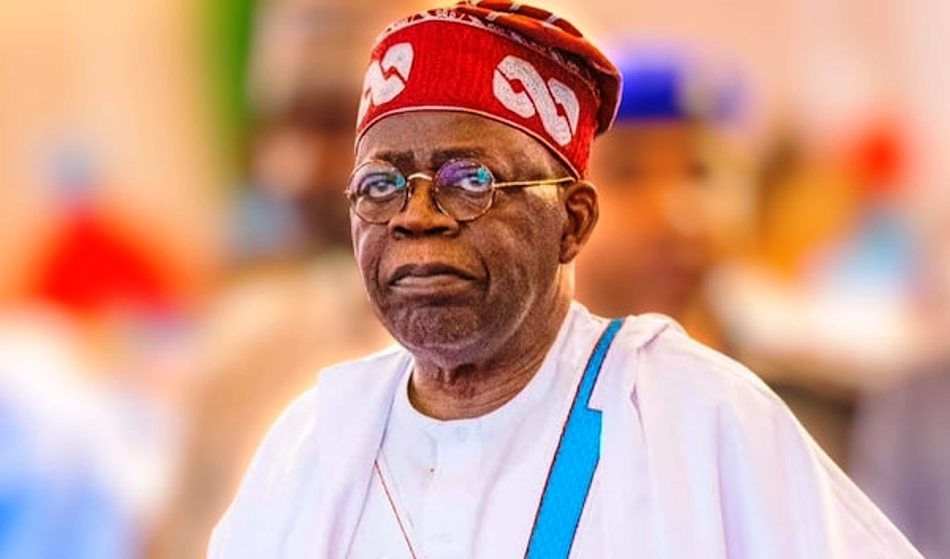
The backlash that greeted President Bola Tinubu’s “thank God” moment in Yenagoa on Thursday has taken a sharper turn after a fresh round of fact‑checks showed that his comparison of Nigeria to Kenya was at best incomplete, and at worst misleading. Speaking during a project commissioning in Bayelsa State, the president acknowledged the economic pain Nigerians are feeling but quickly added, “Let’s thank God together that we are better off than those in Kenya and other African countries.” That remark has since been met with a wave of counter‑evidence that paints a more complicated picture, one in which Nigeria’s lower fuel price comes at the cost of a much lower wage and a far weaker currency.
Yes, fuel is cheaper in Nigeria. According to data from the Dangote Refinery, petrol prices climbed to between N1,275 and N1,350 per litre in early April 2026, driven by global crude oil volatility and the ongoing conflict in the Middle East. In contrast, Kenya’s Energy and Petroleum Regulatory Authority (EPRA) maintained pump prices at Ksh178.28 per litre in Nairobi for the March‑April 2026 cycle, a figure that converts to roughly N1,862 using current exchange rates. The president’s advisors were quick to seize on that difference, framing it as evidence of Nigeria’s relative advantage.
But what the president did not mention is the wage side of the equation. Kenya’s statutory minimum wage for general workers in major cities stands at KES16,113.75 per month, which translates to approximately ₦198,000 at current rates. Nigeria’s national minimum wage, by contrast, is ₦70,000 per month, a figure that has remained unchanged since July 2024. In other words, an unskilled worker in Nairobi takes home nearly three times what their counterpart in Lagos earns, despite paying more at the pump. Worse still, Kenya is not an oil‑producing country; it imports every litre of its fuel, yet its citizens still command a higher statutory wage floor than Nigerians who live atop vast crude reserves.
The president’s visit to Bayelsa and his planned trip to Ogun State for a cargo airport inauguration have also drawn sharp scrutiny from opposition figures, who contrast the lavish commissioning ceremonies with the president’s brief condolence visit to Jos following a deadly terrorist attack that claimed dozens of lives. Phrank Shaibu, a spokesperson for former vice president Atiku Abubakar, noted that Tinubu “spent barely 10 minutes at the Jos Airport before departing, an act widely perceived as dismissive of the gravity of the tragedy.” Meanwhile, the president has found time to inaugurate projects in Ogun and Bayelsa, including a cargo airport and two commercial aircraft, while a planned two‑day working visit to Lagos saw him largely absent from the events meant to define the trip.
The deeper issue, however, is not the president’s travel schedule but the economic reality that his comparison obscures. A litre of fuel in Kenya costs more, but a Kenyan worker earning the minimum wage can afford roughly 90 litres of petrol per month, while a Nigerian worker on the minimum wage can afford just 52 litres, assuming a pump price of N1,350 per litre. That discrepancy is not an accident; it is the result of decades of policy choices that have prioritised cheap fuel over a living wage. Kenya has no oil, yet it has managed to push its minimum wage to a level that Nigerian workers can only dream of, while Nigeria sits on some of the largest hydrocarbon reserves in Africa and still cannot lift its citizens out of poverty.
As the debate rages on social media, with the president’s original speech clip being dissected line by line, one thing has become clear: the “thank God” moment may have backfired. Instead of rallying Nigerians around a shared sense of resilience, it has exposed the uncomfortable truth that being “better off than Kenya” on fuel price alone is a hollow victory when your workers are paid less, work longer, and face a cost of living that is rising just as fast. The president’s advisors may have given him the wrong information, or perhaps they simply forgot to mention that a lower price at the pump does not automatically mean a better life. Either way, the numbers do not lie.
About The Author


Related Articles
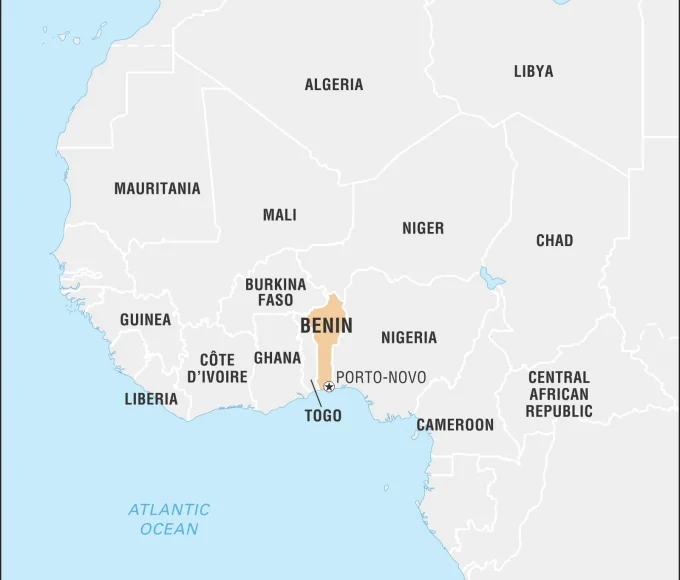
Benin Votes for New President as Main Opposition Candidate Is Barred and Voter Apathy Threatens Turnout
Voters in Benin will head to the polls on Sunday, April 12,...
Nigeria’s Electoral Body Under Fire as INEC Chairman Faces Allegations of Digital Footprint Linked to Pro-Tinubu Political Perception
The Independent National Electoral Commission (INEC) has dismissed allegations circulating on social...
World Bank Praise for Tinubu Reforms Collides With 63 Percent Poverty Reality in Nigeria
Nigeria’s economic direction under President Bola Tinubu is marked by worsening living...

Another Senior Military Officer Killed By Terrorists In Borno, Nigeria, As Tinubu Administration Continues Statement-based Response To Insecurity
First, Brigadier General Zurukushi was targeted. Then Brigadier General Mohammed Uba. Now,...
Leave a comment