






Sovereignty for Sale? African Leaders Under Fire for “Lopsided” US Health Deals Linked to CIA Mind Control Research
 West Africa WeeklyFebruary 27, 20263 Mins read21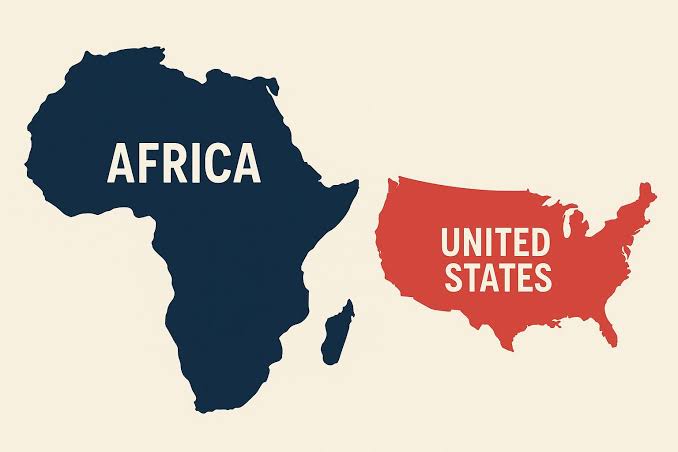
A diplomatic firestorm is sweeping across Africa after 17 nations signed on to the United States’ new “America First Global Health Strategy,” a $16 billion framework that critics say risks trading national autonomy for short-term financial relief. The policy, associated with the administration of Donald Trump, is presented by Washington as a move to end aid dependency, but leaders who signed, and those who refused, are now facing intense scrutiny over claims they are exchanging citizens’ biological data and strategic resources for cash.
In Kenya, President William Ruto quickly embraced the deal as a boost to universal health coverage, only to see it frozen by the High Court after petitions argued that Parliament and the public had not been consulted. Senator Okiya Omtatah, contend that the agreement effectively signs away the private health data of Kenyans, which the court said belongs to individuals, not the state. The memorandum reportedly includes a clause mandating “pathogen-sharing” with U.S. researchers, a detail officials deny but opponents cite as proof of hidden strings attached.
Nigeria’s government is facing similar accusations of opacity after securing the continent’s largest package, a five-year $2.1 billion deal. Officials allegedly omitted from their public statement that the US State Department indicated the funding would prioritize Christian faith-based clinics, sparking anger among activists in the predominantly Muslim north who say the move risks inflaming regional tensions to secure American dollars.
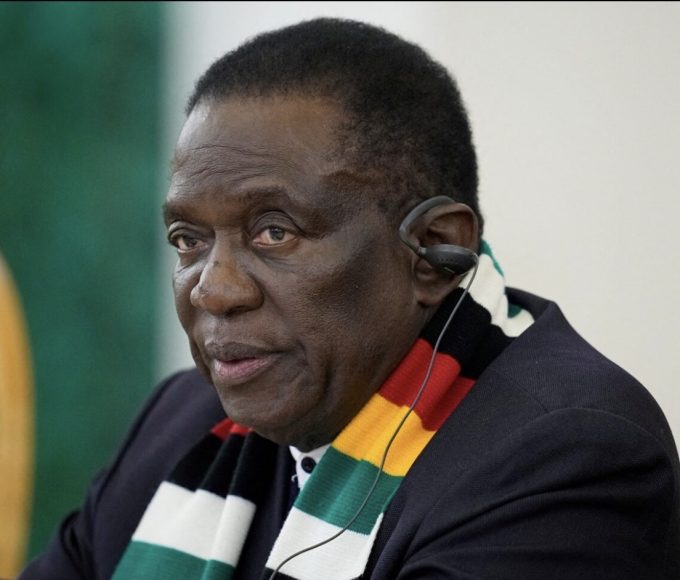
Not every leader has agreed to the terms. Zimbabwe’s president, Emmerson Mnangagwa, halted negotiations in December, directing his cabinet to reject what he called a “clearly lopsided” arrangement that would “blatantly compromise and undermine the sovereignty” of the country. Officials in Zimbabwe expressed alarm at U.S. demands for direct, long-term access to national health samples and pathogens without any guarantee that Zimbabweans would benefit from medical innovations derived from them.
In neighboring Zambia, President Hakainde Hichilema also pushed back against a proposed $1 billion package after discovering that health funding had been linked to a mining partnership. Activists such as Asia Russell of Health GAP argue the arrangement places corporate mineral interests ahead of patients with HIV, while Hichilema has said aid cuts are “long overdue” and offer an opportunity for the nation to “take care of our own affairs.”
Fueling resistance is the resurfacing of declassified documents from the CIA dated 1952 and titled “Special Research for Artichoke.” The memo describes research into chemicals designed for mind control and behavioral engineering, including substances intended to induce anxiety, tension, despondency, or lethargy. Critics highlight one passage stating such chemicals should be “capable of use in standard medical treatments such as vaccinations, shots, etc.,” and argue that modern requirements for pathogen sharing and access to biological data echo these Cold War ambitions.
The controversy comes as global health experts debate the neurological impact of mRNA therapeutics central to the new U.S. strategy. Reports cited by skeptics claim safety thresholds monitored by agencies such as the CDC and FDA have been exceeded for 146 brain, spinal cord, and psychiatric disorders following mass mRNA distribution. Among the risks referenced are a 14.6% increase in strokes among people aged 18–44, as well as claims of higher rates of psychosis, dementia, cognitive impairment, and ischemic stroke.
However, there is a transactional model in which life-saving medicine is exchanged for access to pathogens, citizen medical data, and even mineral resources. In Zambia, for instance, activists allege health funding was explicitly tied to access to copper and critical mineral reserves.
Kenya’s frozen deal has intensified scrutiny of provisions granting privileges and immunity to U.S. officials, which opponents argue could shield them from local courts if disputes arise over data use or health outcomes. Nigerian activists, meanwhile, warn that prioritizing faith-based clinics could deepen religious divides while reducing transparency about how funds are allocated.
The dispute has also exposed divisions across the continent. Some governments, including Uganda, have pledged to co-invest hundreds of millions of dollars to secure U.S. support, while others, including Rwanda and Ethiopia, are weighing the benefits against concerns about sovereignty and data control. Zimbabwean officials, including spokesperson Nick Mangwana, insist cooperation must not become a “win-lose” scenario where the United States gains access to biological and mineral wealth while African states lose independence.
As the April 1 deadline for many of the contracts approaches, the continent remains divided between governments seeking urgent funding for struggling health systems and those warning that the price may be too high. For some leaders, the agreements represent a necessary lifeline in an era of shrinking aid. For others, they are a lopsided bargain that risks exchanging the biological data and natural resources of their citizens for transactional support under an “America First” agenda.
About The Author

Related Articles
Zimbabwe Rejects $350m US Health Deal Over Sovereignty Dispute
Zimbabwe has formally withdrawn from negotiations on a proposed $350 million health...
Niger’s President Outlines Vision for Strategic Partnership with China
Niger’s Head of State, General Abdourahmane Tiani, has articulated a renewed vision...

Fire Destroys 140 Tonnes of Cotton in Western Burkina Faso
A major fire has destroyed more than 140 tonnes of cotton in...

Mali’s New Ambassador to Angola Presents Credentials, Pledges Stronger Bilateral Ties
Diplomatic relations between Mali and Angola entered a new phase on February...
Leave a comment