


Mali Prepares 10‑Point Response Plan as Middle East Tensions Threaten Maritime Supply Routes
 West Africa WeeklyMarch 26, 20261 Mins read24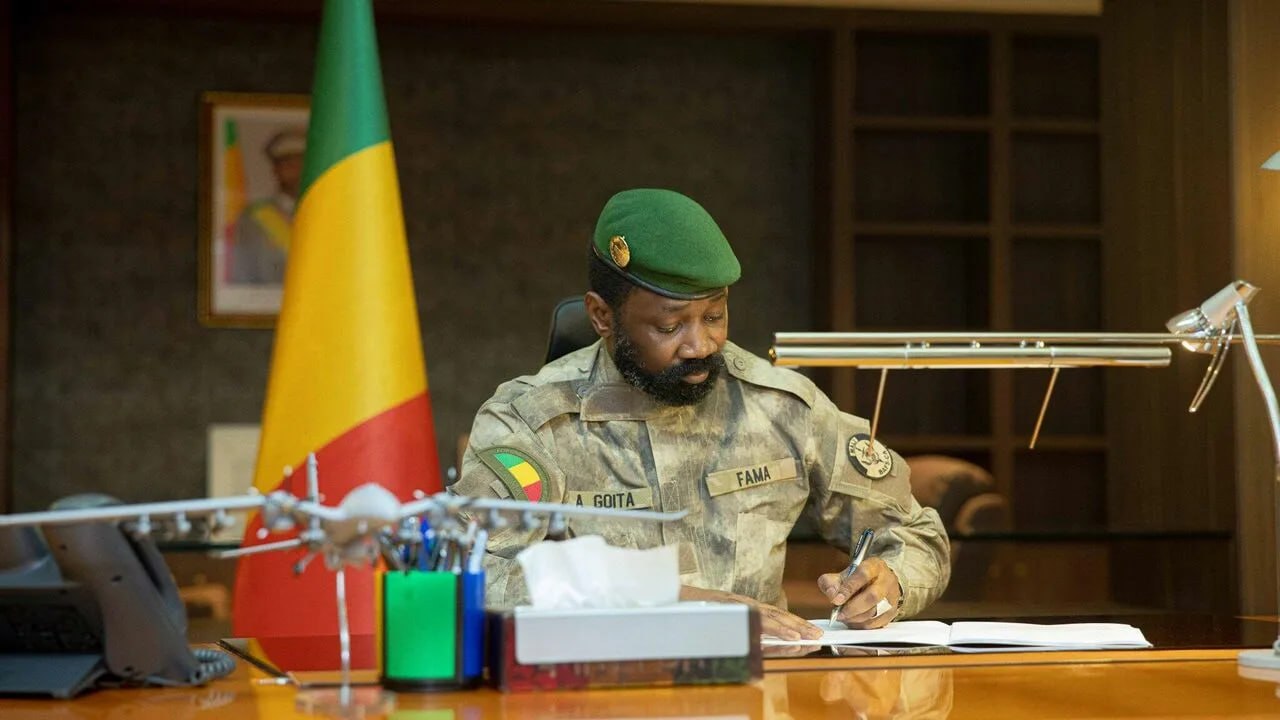
Mali’s transitional president, Assimi Goïta, chaired an ordinary session of the Council of Ministers where the government adopted key decisions aimed at strengthening sovereignty, protecting the economy, and improving living conditions for citizens.
With rising tensions in the Middle East and potential risks to international maritime traffic through the Strait of Hormuz, the government has developed a 10‑point response plan. The strategy is designed to safeguard the country’s supply of essential goods and secure strategic sectors deemed critical for national stability. Officials described the approach as a proactive measure to reinforce Mali’s sovereignty in the face of external disruptions.
On the economic front, the government celebrated the success of the 18th edition of the promotional cattle sales organized for Ramadan 2026. Of the 4,111 cattle presented for sale, 4,074 were purchased, representing a 99.09 percent sales rate. The high turnout confirmed strong participation from populations in Bamako and regional capitals, offering a boost to livestock farmers and food availability during the holy month.
In the social and health sectors, the Council adopted a draft decree approving the National Sanitation Policy along with its 2026‑2030 action plan. The policy aims to address longstanding challenges in waste management, water quality, and public health infrastructure.
The Ministry of Health also reported a decline in confirmed dengue fever cases compared to the previous week, though officials urged the public to continue adhering strictly to preventive measures. The decrease was seen as a positive sign, but authorities emphasized that vigilance must remain high to avoid a resurgence.
The decisions reflect a government focused on managing both external vulnerabilities and internal needs, from securing supply chains to promoting public health and supporting key economic activities like livestock sales. As the transitional administration continues to chart its course, these steps are being framed as part of a broader effort to consolidate stability and build resilience across sectors.
READ MORE: Burkina Faso Takes on Economic Domination with 10‑Day Campaign for Local Consumption
About The Author

Related Articles
Burkina Faso Takes on Economic Domination with 10‑Day Campaign for Local Consumption
Burkina Faso has kicked off its National Days of Patriotic Engagement and...
Guinea and Emirates Global Aluminium Near Deal to End Bauxite Dispute After Asset Seizure
Guinea has reached the brink of an agreement with Emirates Global Aluminium,...

Grow Your Own Tomatoes, Ghana Government Tells Citizens as Burkina Faso Ban Worsens Shortage
The Ghanaian government has asked citizens to start growing tomatoes in their...

Ghana Sells 3.6 Million Tonnes of Lithium Owned by Australian Company to America
A lithium mining deal in Ghana has come under intense scrutiny after...
Leave a comment