




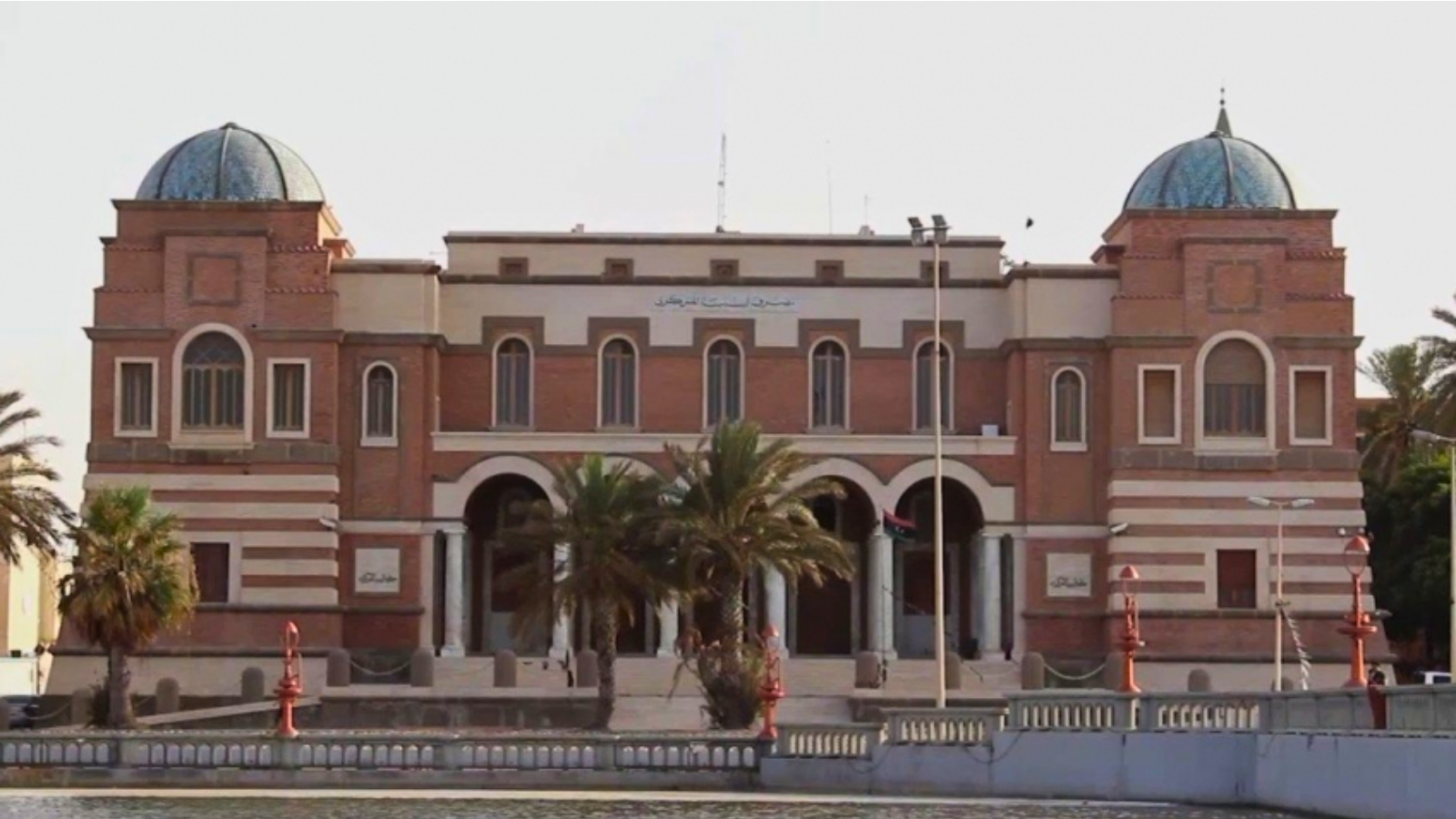
Libya, whose oil sector has been halted since late August, is preparing to resume as the two rival governments have agreed on a new Central Bank of Libya (CBL) head.
The central bank crisis escalated due to the control competition between a government in Tripoli, recognised internationally, and another in the east of Libya under General Khalifa Haftar’s Libyan National Army, over who controls critical institutions, including the central bank, which oversees the country’s oil revenues.
The Tripoli-based government attempted to replace long-serving Central Bank governor, Sadiq al Kabir, with Mohamed Alshukri.
In response, the eastern government, backed by Haftar, opposed the move and placed a blockade on oil production and exports.
Following the internal-external crisis, Libya’s oil exports plunged by 81 per cent as the National Oil Corporation cancelled oil shipments.
Libya’s oil production was initially at 1.2 million barrels of crude daily. It dropped to about 450,000 per day as the internationally-recognised Tripoli government attempted to put Alshukri as head of CBL, riling the east government.
On September 26, Libya’s competing administrations agreed to a United Nations-brokered agreement to bring back Naji Issa, a former head of CBL’s issuance department, as the new governor.
The UN-backed agreement, similar to the previous Libyan pact, including the cease-fire deal in 2020, succeeded in ending the infighting but has yet to lead the country to nationwide elections or solve the unending competition between West and East governments.
Notwithstanding, the House of Representatives in Benghazi confirmed the agreement, appointing Issa on Monday, with the bank’s new board to be appointed in nine days.
Meanwhile, Libya’s crisis of west and east control can be traced back to the NATO-backed uprising that overthrew Muammar Gaddafi in 2011.
Read More:
- Over 2,400 Kg Of Cocaine Seized At Mali International Airport
- Nigerians Commence Protests Against Bad Governance on 64th Independence Day
- Google Bans African Stream’s Gmail Account Over ‘Unsubstantiated’ Allegation by U.S. Secretary Anthony Blinken
About The Author



Leave a comment