



Guinea and Emirates Global Aluminium Near Deal to End Bauxite Dispute After Asset Seizure
 West Africa WeeklyMarch 26, 20262 Mins read30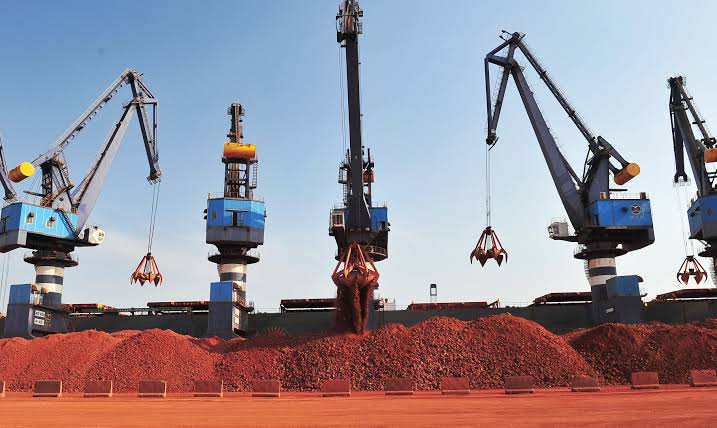
Guinea has reached the brink of an agreement with Emirates Global Aluminium, the UAE‑based mining giant, that would resolve a bitter dispute over the seizure of the company’s local bauxite subsidiary last year. Three sources familiar with the matter told Reuters that the deal is close, though several technical details remain unresolved.
The dispute erupted in October 2025 when Guinea’s government took control of Guinea Alumina Corporation, EGA’s bauxite mining unit, over a disagreement about building an alumina refinery. The government accused EGA of failing to meet commitments to process bauxite locally, a cornerstone of Guinea’s push to extract more value from its vast mineral wealth. The state transferred the seized assets to Nimba Mining, a newly established state‑owned company, and began exploring ways to restart production.
Now, as part of the broader resolution, traders and alternative offtakers have been discussing bauxite supply deals linked to the seized assets. Some of these structures involve upfront prepayments on future shipments, which would help settle EGA’s claims against the government. According to traders and government officials, the prepayment model is central to bridging the gap between the two sides.
One government official confirmed that a deal is close but cautioned that technical details are still being ironed out. A mining consultant familiar with the negotiations noted that the situation remains fluid, as EGA’s priorities could shift amid the ongoing conflict in the Middle East. EGA declined to comment for the report, while Nimba Mining and Guinea’s mines ministry did not immediately respond to requests for comment.
The asset seizure and subsequent standoff disrupted bauxite supply chains at a time when global demand for the aluminium raw material remains strong. Guinea is the world’s largest exporter of bauxite, and any prolonged disruption carries significant implications for international aluminium markets. The government’s move to take over GAC was part of a broader trend across African resource‑rich nations seeking to renegotiate terms with foreign miners and capture more revenue from their resources.
READ MORE: Grow Your Own Tomatoes, Ghana Government Tells Citizens as Burkina Faso Ban Worsens Shortage
According to trading sources, interest in the seized assets has focused on spot cargoes of about 400,000 to 500,000 metric tons, with bids for up to 600,000 tons. Larger volumes of up to 1.6 million tons were discussed but not secured. One trading source said any deal would require full visibility over supply chains and assurance on compliance standards, including labour practices.
The negotiations for a long‑term offtake contract have been complicated by the government’s insistence on securing upfront prepayments to compensate EGA. That structure would require a new offtaker to make a bulk payment that would be amortized over future bauxite deliveries, a model that traders are approaching with caution. Nimba Mining has held talks with several major trading houses, according to two trading sources.
The outcome of the talks will be closely watched both by the mining industry and by governments across Africa who are pursuing similar resource nationalism strategies. If Guinea succeeds in securing a deal that includes substantial upfront payments while maintaining control over the asset, it could set a precedent for other countries looking to renegotiate terms with international miners. If the deal falters, it could prolong uncertainty for investors and further strain relations between resource‑rich nations and the companies that extract their wealth.
For now, the parties are said to be finalizing the agreement, with hopes that it will avert a costly arbitration and allow bauxite shipments to resume under a new framework that satisfies both the government’s revenue ambitions and EGA’s claims.
About The Author


Related Articles
Mali Prepares 10‑Point Response Plan as Middle East Tensions Threaten Maritime Supply Routes
Mali’s transitional president, Assimi Goïta, chaired an ordinary session of the Council...
Burkina Faso Takes on Economic Domination with 10‑Day Campaign for Local Consumption
Burkina Faso has kicked off its National Days of Patriotic Engagement and...
Grow Your Own Tomatoes, Ghana Government Tells Citizens as Burkina Faso Ban Worsens Shortage
The Ghanaian government has asked citizens to start growing tomatoes in their...

Ghana Sells 3.6 Million Tonnes of Lithium Owned by Australian Company to America
A lithium mining deal in Ghana has come under intense scrutiny after...
Leave a comment