






Burkina Faso Tomato Export Ban Sparks Regional Supply Fears
 West Africa WeeklyMarch 24, 20261 Mins read12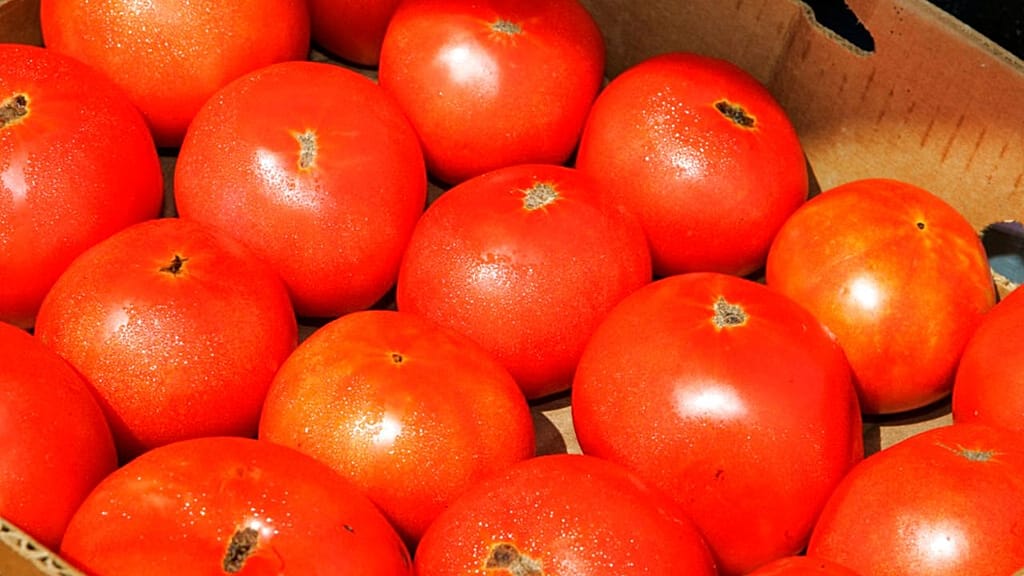
Burkina Faso’s decision to suspend tomato exports has triggered concern across West Africa, with the people of Burkina Faso warning that the move could disrupt regional supply chains and lead to price increases in several countries. The restriction, introduced by the government, is aimed at stabilising domestic markets and ensuring sufficient availability of tomatoes for local consumption.
Tomatoes are a staple ingredient in many West African cuisines, and Burkina Faso has been a key supplier to neighbouring countries. The sudden halt in exports is therefore expected to have immediate effects on markets that rely on cross-border trade to meet demand.
Officials in Burkina Faso have defended the decision, stating that it is necessary to address local shortages and prevent price volatility within the country. By prioritising domestic supply, authorities aim to protect consumers and ensure that essential food items remain accessible.
However, traders and market analysts warn that the policy could have unintended consequences beyond Burkina Faso’s borders. Countries that depend on imported tomatoes may face shortages, leading to higher prices and increased pressure on consumers. In some cases, the disruption could also affect food processing industries that rely on a steady supply of raw materials.
The export ban highlights the complex balance between national food security and regional trade integration. While governments have a responsibility to safeguard domestic markets, such measures can create ripple effects across interconnected economies.
As the situation develops, stakeholders across the region are closely monitoring the impact of the ban. The outcome may influence future policy decisions, particularly in how countries manage agricultural exports while maintaining stability in both local and regional markets.
READ MORE: Davido to Headline Major UK Festival in Landmark Career Move
About The Author



Related Articles
Algeria and Niger Move to Revive $13bn Trans-Saharan Gas Pipeline
Algeria and Niger have taken new steps toward advancing the long-delayed Trans-Saharan...

Sahel Alliance Rejects EU Resolution, Calls It Foreign Interference
The Alliance of Sahel States has strongly rejected a recent resolution by...
Malian Army Kills 40 Militants, Frees 12 Hostages in Kayes Operation
Mali’s armed forces say they have killed around 40 suspected jihadist fighters,...


Ibrahim Mahama Positioned to Take Over Damang Mine in Ghana
Ghanaian businessman Ibrahim Mahama is on the verge of a major breakthrough...
Leave a comment