






Algeria and Niger Move to Revive $13bn Trans-Saharan Gas Pipeline
 West Africa WeeklyMarch 24, 20262 Mins read13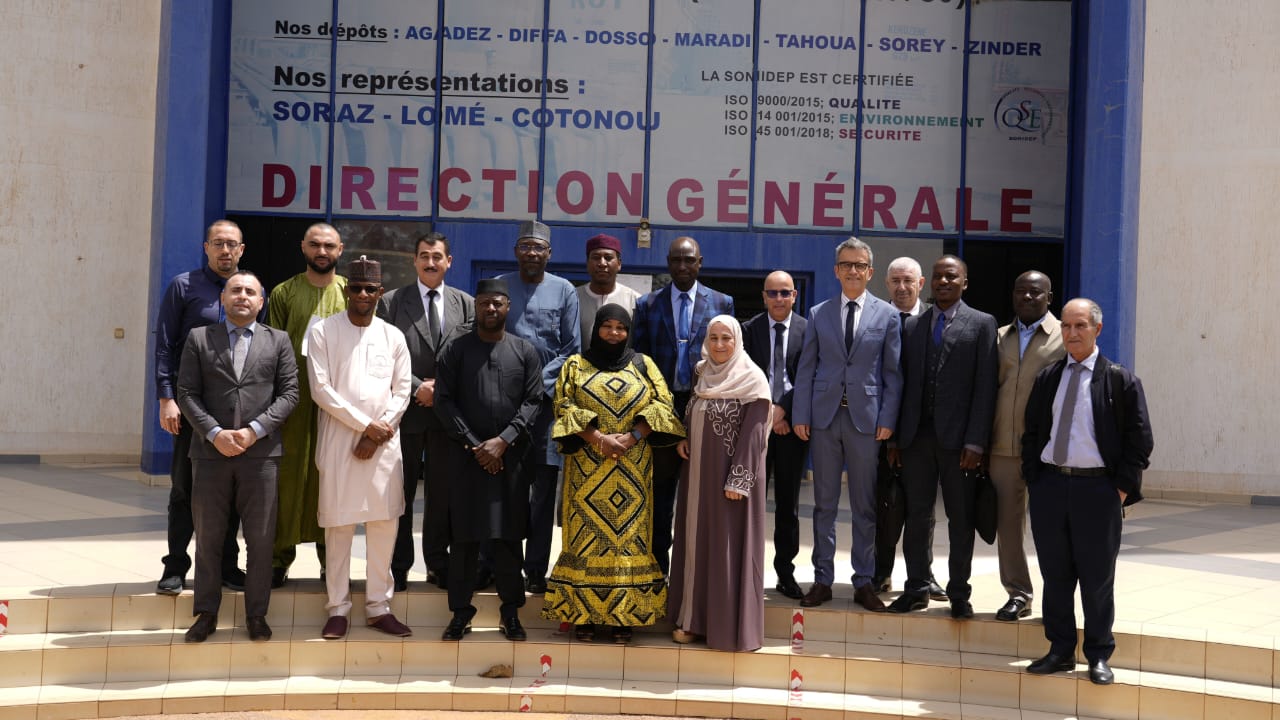
Algeria and Niger have taken new steps toward advancing the long-delayed Trans-Saharan Gas Pipeline, a major energy project designed to transport natural gas from Nigeria to Europe through Niger and Algeria.
Officials from both countries met in Niamey for a technical session focused on preparing the next meeting of their joint commission, with the pipeline project taking centre stage. The discussions signal renewed momentum behind the initiative, which has been under consideration for years but faced repeated delays due to security and financing challenges.
Speaking during the meeting, Abdoul Kader Inouab, deputy director of Niger’s state oil company SONIDEP, said the project has remained active despite setbacks and could move into a new phase in the near future. His comments reflect growing confidence among regional stakeholders that the pipeline may finally progress toward execution.
The Trans-Saharan Gas Pipeline is expected to span roughly 4,200 kilometres and transport up to 30 billion cubic metres of gas annually. Estimated to cost about 13 billion dollars, the project would connect Nigeria’s vast gas reserves to Algeria’s export infrastructure, creating a direct route for supplies to reach European markets.
According to official estimates, about 60 percent of the pipeline route has already been completed, largely within Nigeria and Algeria. However, significant sections remain unfinished, including approximately 1,000 kilometres in Niger and an additional 700 kilometres in الجزائر. Completing these segments is considered critical to making the project operational.
The initiative gained renewed political backing following a recent visit by Niger’s leader, Abderrahmane Tchiani, to Algeria. The trip marked a warming of relations between the two countries and resulted in fresh commitments to push the project forward. Algerian President Abdelmadjid Tebboune indicated at the time that construction on the Niger section would begin soon after Ramadan.
Algeria’s state energy company Sonatrach has already deployed a technical team to Niamey to assess the proposed route, review regulatory requirements and begin groundwork for the next phase of construction. The team is expected to play a key role in coordinating implementation efforts between the participating countries.
If completed, the pipeline could significantly reshape energy dynamics in the region by strengthening cooperation among West and North African states while providing Europe with an alternative source of gas supply. However, analysts note that challenges remain, particularly in securing funding and ensuring stability along the route, which passes through areas affected by insecurity.
Despite these concerns, the renewed engagement between Algeria and Niger suggests that momentum is building once again behind one of Africa’s most ambitious energy infrastructure projects.
READ MORE: Sahel Alliance Rejects EU Resolution, Calls It Foreign Interference
About The Author


Related Articles

Sahel Alliance Rejects EU Resolution, Calls It Foreign Interference
The Alliance of Sahel States has strongly rejected a recent resolution by...
Malian Army Kills 40 Militants, Frees 12 Hostages in Kayes Operation
Mali’s armed forces say they have killed around 40 suspected jihadist fighters,...

Burkina Faso Tomato Export Ban Sparks Regional Supply Fears
Burkina Faso’s decision to suspend tomato exports has triggered concern across West...

Ibrahim Mahama Positioned to Take Over Damang Mine in Ghana
Ghanaian businessman Ibrahim Mahama is on the verge of a major breakthrough...
Leave a comment