






The recent announcement that the Independent National Electoral Commission has deepened its strategic partnership with the United Kingdom ahead of the 2027 general elections should not inspire confidence among the Nigerian electorate. Instead, it should serve as a stark warning. For decades, African nations have fallen into the trap of believing that the path to credible democracy can be paved by our former colonial masters. We invite Western experts to audit our systems, accept their financial grants to train our personnel, and wait anxiously for their election observer groups to validate our choices. But history has shown, with painful clarity, that European powers do not enter Africa to advance the cause of popular revolution or true indigenous democracy. They enter to secure stability, protect their investments, and maintain a predictable status quo that keeps the global economic engine humming at our expense.
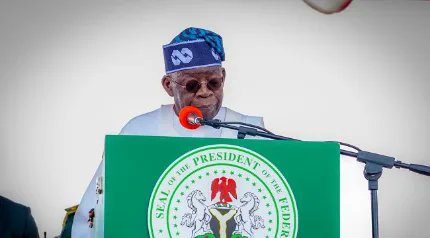
This reality makes the current UK intervention a structural gift to the ruling All Progressives Congress administration. Superpowers crave predictability above all else. A sitting government, no matter how contentious its rise to power, represents a known quantity. The Tinubu administration has already implemented the exact brand of aggressive, market-driven economic shocks—such as currency floatation and subsidy removals—that Western financial institutions have demanded for a generation. Why would the West risk disrupting this alignment by encouraging a volatile political shift? By funding technological upgrades, managing “disinformation,” and preaching the gospel of peaceful conduct, Western input subtly shifts the blame of flawed elections away from political actors and onto mere technical glitches. It provides a sophisticated veneer of international legitimacy that shields the incumbent from radical accountability, under the guise of strengthening institutional capacity.
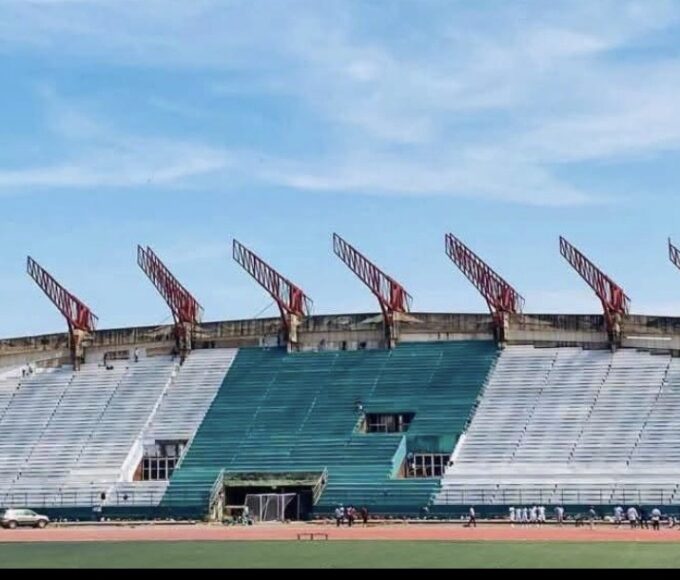
READ MORE: After 38 Years of Neglect, APC Paints Uncompleted Jos Stadium in 48 Hours for Campaign Rally
Pan-African history is littered with the ghosts of leaders who tried to alter the economic architecture of their nations, only to face the wrath of a West unhappy with their defiance. Conversely, when an African election is visibly compromised but the declared winner promises to protect foreign corporate interests and regional military alliances, the congratulations from London and Washington flow with standard, hypocritical speed. We saw this play out in 2023. Despite extensive documentation of systemic failures and broken technical promises, the international community moved swiftly to embrace the outcome to prevent what they feared most: a destabilizing power vacuum in Africa’s largest market. To expect the same external forces to suddenly act as neutral arbiters of justice in 2027 is an exercise in political delusion.
Therefore, the defense of the Nigerian vote cannot be outsourced to foreign auditors or trust-building workshops funded by the global North. True democracy is not a software update imported from London; it is an exercise of sovereign power that must be fiercely protected on the ground by the people themselves. If the Nigerian electorate abdicates its vigilance, assuming that British-vetted cybersecurity or sophisticated biometric devices will automatically guarantee fairness, they are rubber-stamping their own disenfranchisement. Defending the ballot in 2027 requires an uncompromising, organized domestic resistance at every single polling unit across the federation. Citizens must be the ultimate monitors, physically witnessing the count, confronting local irregularities, and refusing to leave until the paper records match the digital transmission. The sovereignty of Nigeria belongs exclusively to the millions who queue under the sun, not to the diplomats signing cooperation pacts in Abuja. It is time to retire the myth of the Western rescue and realize that if African democracy is to survive, it will be saved by African hands alone.
About The Author




Leave a comment