






37 Miners Died in Minna Cell After Guards Sprayed Unknown Substance, Autopsies Underway
 West Africa WeeklySeptember 21, 20262 Mins read24
Thirty-seven young men, many of them teenagers, died inside a crowded cell at a Nigeria Security and Civil Defence Corps facility in Minna, Niger State, after survivors said guards sprayed an unidentified substance into the room and locked the door. The detainees had been arrested on September 15 and 16, 2026, during operations targeting illegal gold mining in the M.I. Wushishi area.
A surviving detainee told Governor Mohammed Bago and Interior Minister Olubunmi Tunji-Ojo that about 65 people were crammed into a cell meant for far fewer. He said the room was extremely hot and overcrowded, and that the detainees begged for water but were refused. The survivor said the substance smelled like perfume but caused a severe burning sensation in the throat and eyes. He said people began collapsing one after another. “They sprayed something in the cell after putting us inside, and people started falling down,” he said. He said he lost consciousness that night and woke up the next morning.
Governor Bago said preliminary forensic findings showed foam mixed with bloodstains in the mouths of some of the deceased, along with burns and peeling skin. He said the signs raised the possibility of methane, cyanide or lead poisoning, but stressed that the actual cause had not been established. He said autopsies, forensic examinations and medical tests were being conducted, and that soil samples would be collected from the mining site.
The NSCDC initially blamed the deaths on a suspected disease outbreak. The agency’s Niger State Commandant, Suberu Siyaka Aniviye, said scores of detained suspects were found dead in the early hours of September 17 following what he described as a suspected outbreak. The claim was met with widespread disbelief, and the federal government suspended Aniviye and 20 other officers pending investigation. NSCDC later said no specific cause should be attributed to the deaths until medical and laboratory examinations were completed.
President Bola Tinubu ordered a full and transparent investigation. The government appointed a 10-member independent panel, including a retired senior intelligence officer, a medical expert, a human rights activist and a miners’ association representative, with two weeks to determine responsibility, complicity, negligence and misconduct. The National Human Rights Commission also opened its own probe.
READ MORE: TikTok Users in Northern Nigeria Turn to VPNs as Access Disruption Enters Fourth Day
The deaths triggered protests in Minna, with angry youths barricading major roads. Police fired tear gas at crowds, and Amnesty International said at least two people were reportedly killed. Governor Bago imposed a 24-hour curfew and suspended all mining activities across Niger State pending soil tests.
Chemical Analysis Points Away From Thallium Sulphate
Forensic experts analysing the symptoms described by survivors say thallium sulphate does not match the profile of the substance sprayed into the cell. Thallium sulphate is odourless, tasteless and colourless. It cannot produce a perfume scent or cause an immediate pepper-like burning sensation in the throat and eyes. It is a slow, cumulative metabolic poison that takes days to weeks to cause skin peeling, not the rapid burns and foaming reported by survivors.
Substances that better match the description include tactical pepper sprays and riot-control agents, which use solvents that can smell sweet or perfumed and cause immediate blistering and peeling of sweating skin in intense heat. Aerosolized chloroform or ether-based solvents, commonly used in illegal gold mining, also have a sweet, intense aroma and can cause rapid neurological collapse and foaming at the mouth. Some industrial-grade fumigants are masked with aromatic fragrances to hide toxic odours and can cause immediate choking, throat burning and fatal poisoning in unventilated spaces.
The autopsies and laboratory analysis are expected to identify the exact substance and establish the cause of death. For now, the families of the 37 young men are waiting for answers, and the government is under pressure to ensure the investigation is transparent and holds those responsible accountable.
About The Author



Related Articles

Uganda Suspends All Military Cooperation With Turkey Over Refusal to Extradite Government Critic
Uganda’s army has suspended all defence and military cooperation with Turkey with...

TikTok Users in Northern Nigeria Turn to VPNs as Access Disruption Enters Fourth Day
TikTok users across several northern Nigerian states, including Kaduna, Kano and Sokoto,...

El-Rufai Demands Answers From NSA Over Alleged Importation of Deadly Poison From Poland
Former Kaduna State Governor, Nasir El-Rufai, has written to the National Security...
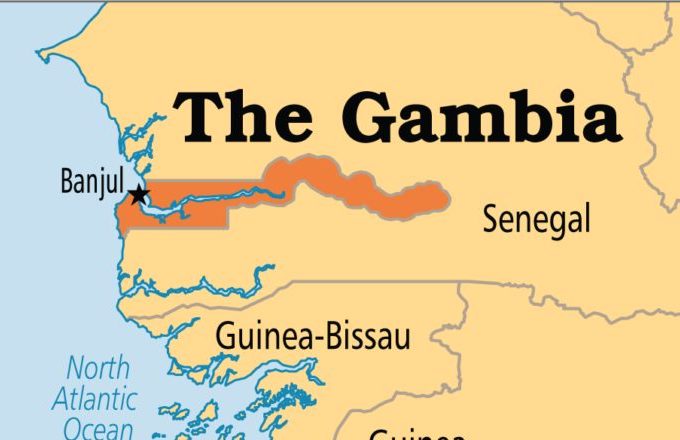

Gambian Businesses Struggle Under Prolonged Blackouts as Anger Mounts Ahead of December Election
Gambian businesses are collapsing under the weight of prolonged power cuts that...
Leave a comment