




Russia Builds Air Shadow Fleet Across Mali, Burkina Faso and Niger as US and Europe Raise Alarm
 West Africa WeeklyAugust 24, 20263 Mins read895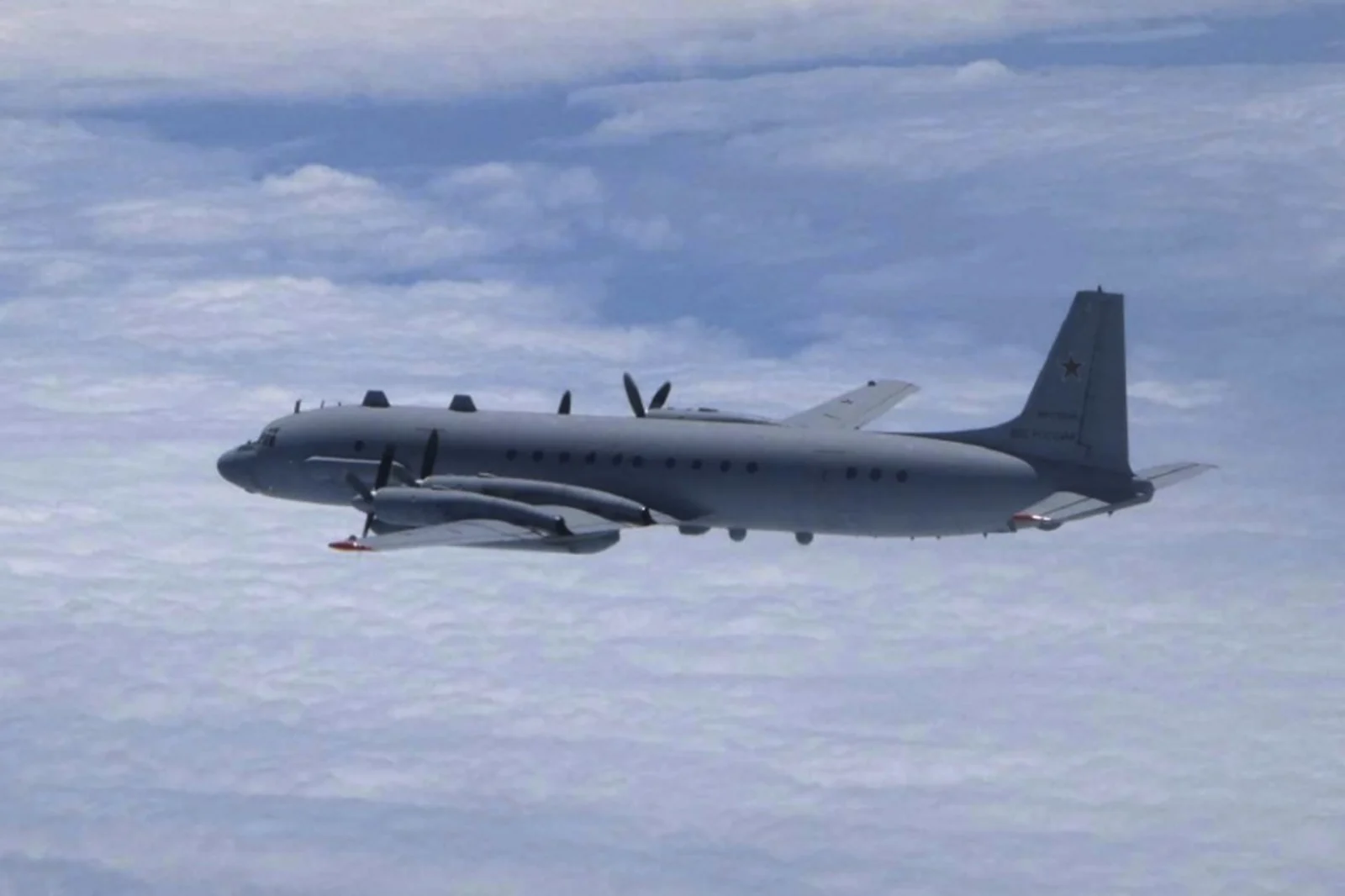
Russia is expanding its military reach across Africa’s Sahel through an air shadow fleet of state and private aircraft supplying operations in Mali, Burkina Faso and Niger, drawing growing scrutiny from the United States and Europe. Between January 2025 and July 2026, at least 75 flights linked to Russian state-aligned military forces travelled to or from Mali, Burkina Faso and Niger, according to an analysis by the Center for Advanced Defense Studies. The flights supported Russia’s Africa Corps, the state-controlled military force that replaced the Wagner Group in parts of the continent and has become a key part of Moscow’s expanding security ties with military-led governments in the Sahel.
Burkina Faso recorded the highest flight activity during the period with 56 flights, followed by Mali with 38, while Niger registered only six identified flights. According to C4ADS, Burkina Faso frequently served as an intermediate logistics stop between Mali and Niger, helping explain the higher traffic volume. The network follows a model similar to Russia’s maritime shadow fleet, which uses tankers, intermediaries and companies to keep Russian oil moving despite Western sanctions. Similarly, Moscow is using military operators, government agencies and private carriers to maintain supply routes into Africa.
Flight Unit 224, a Russian Defence Ministry-controlled carrier already under US sanctions, was the most active operator identified. Other operators included Russia’s Special Flight Squadron and Ministry for Emergency Situations, as well as Sapsan Airlines and Liz Aviation. Notably, Sapsan Airlines, Liz Aviation and the Emergency Situations Ministry have not been placed under sanctions by the European Union, the United States or the United Kingdom, leaving a gap in the West’s ability to disrupt the network.
The routes used by the aircraft differed between state and private operators. Russian government aircraft frequently transited through bases in Syria and Libya under Moscow’s influence, while private carriers typically travelled through commercial hubs in Türkiye, Algeria and the United Arab Emirates. State-owned aircraft such as Flight Unit 224’s RA-82030 typically refuelled at Russia’s Khmeimim air base in Syria and at Libyan sites including Al-Khadim before continuing to the Sahel. Private carriers more often transited commercial hubs in the United Arab Emirates, Algeria and Türkiye.
Libya is becoming an increasingly significant link in the network as Moscow continues to expand its military infrastructure there. According to a 2026 assessment linked to the US National Geospatial-Intelligence Agency’s Tearline initiative, Russia is funding infrastructure projects and deploying personnel at six Libyan air bases: Al-Khadim, Al-Jufra, Tamanhint, Matan al-Sarra, Al-Qardabiyah and Brak al-Shati. The work includes upgrades to runways, hangars, barracks and other facilities capable of supporting aircraft, drones, air defence systems and troops.
The expanding aviation network is drawing scrutiny and concern from the United States and Europe. In May 2026, US Africa Command warned Congress that Moscow was expanding its presence across Africa through forces including Africa Corps, particularly in North Africa and the Sahel. AFRICOM said Russia exploits instability to advance its objectives and deploys Africa Corps to the region to secure access to critical resources. Washington has already sanctioned Flight Unit 224 over its links to the Wagner Group. However, several other carriers identified by C4ADS remained outside US, EU and UK sanctions as of July 2026.
European policymakers are now considering whether those operators should also face restrictions. Tomáš Zdechovský, a Czech MEP and First Lieutenant in the Czech Army, said the findings should trigger an urgent assessment by EU institutions and member states. If these aircraft and companies are knowingly transporting Russian military personnel or military-related cargo to support the Africa Corps, they should face targeted sanctions, regardless of where the aircraft are registered, he told Euractiv.
The air shadow fleet represents a significant escalation in Russia’s military logistics capabilities in Africa, allowing Moscow to sustain its growing presence in the Sahel despite international sanctions on its Wagner Group successor. The network of state and private aircraft provides a covert supply chain for weapons, personnel and equipment, enabling Russia to deepen its influence across the region as Western powers withdraw from the Sahel.
About The Author


Related Articles
Cameroon Commits to Stronger Bilateral Ties with Nigeria
Cameroon has reaffirmed its commitment to strengthening bilateral relations with Nigeria, pledging...

Burkina Faso President Ibrahim Traoré Defies FIFA, Vows to Intervene in Football Federation After 7-0 Argentina Humiliation
Burkina Faso’s military leader, Captain Ibrahim Traoré, has vowed to intervene directly...
Ghana Approves Formal Application to Join BRICS as Cabinet Backs Mahama’s Economic Diversification Drive
Ghana’s cabinet has approved a decision to formally apply to join BRICS,...

Red Sea Belongs to Its Coastal States, Egypt, Sudan, Eritrea and Somalia Declare
The leaders of Egypt, Sudan, Eritrea and Somalia have issued a joint...
Leave a comment