






A Killer Mosquito Is Spreading Across Africa, and It Is Creating a Billion-Dollar Boom for Drugmakers
 West Africa WeeklyAugust 8, 20263 Mins read696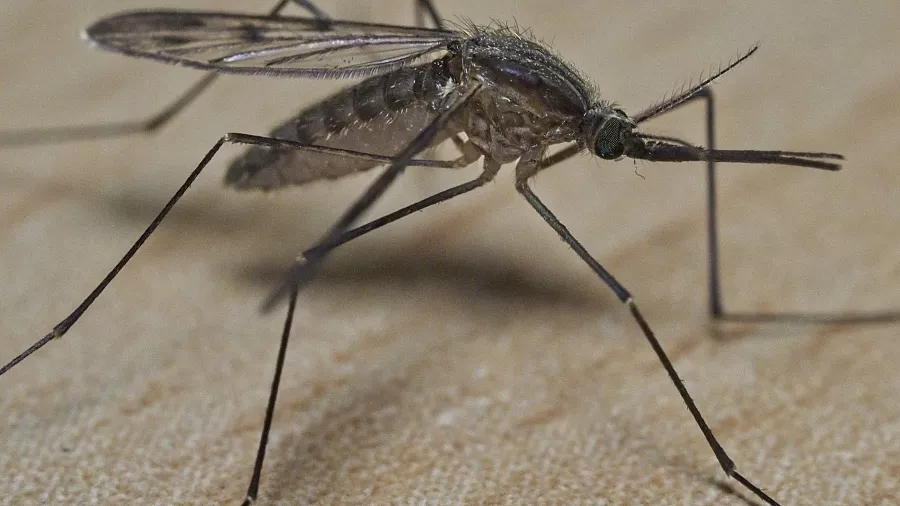
In 2012, Djibouti had effectively eliminated malaria within its borders, with just 27 cases recorded for the entire year. Then came Anopheles stephensi, an invasive mosquito species native to South Asia that is uniquely adapted to urban life, breeding in water tanks, buckets and construction sites rather than rural swamps. By 2020, Djibouti’s malaria cases had exploded to 73,000. Today, the mosquito has spread across the Horn of Africa into Ethiopia, Somalia, Sudan and Kenya, and has pushed into West Africa, with detections in Nigeria, Ghana and Niger. The World Health Organization now warns that an additional 126 to 130 million people in Africa’s rapidly growing cities are at risk.
Anopheles stephensi is a uniquely dangerous threat. Unlike Africa’s native rural malaria mosquitoes, this species thrives in densely populated urban centres, breeding in household water storage and surviving dry seasons, turning malaria from a seasonal disease into a year-round threat. It bites during the daytime, rendering traditional bed nets largely ineffective. Most alarmingly, it has developed resistance to almost every major insecticide currently used in standard public health campaigns. A major genomic study published in Science found that the mosquito likely arrived in Africa already equipped with many of these resistance traits, establishing a “bridgehead population” in Djibouti that has seeded multiple invasion fronts across the continent. The result has been explosive urban outbreaks, with Dire Dawa, Ethiopia, a city that typically reports around 200 malaria cases annually, recording approximately 2,400 cases between January and May 2022 alone.
For the pharmaceutical industry, however, this public health disaster represents a massive commercial opportunity. The global malaria vaccine market is projected to reach $7.2 billion by 2030, growing at a compound annual growth rate of 20 percent. The global market for anti-malarial drugs is forecast to reach $1.35 billion by 2030, while the malaria diagnostics market is expanding toward $1.45 billion. Major players like GSK, makers of the Mosquirix vaccine, and the Serum Institute of India, which manufactures the R21/Matrix-M vaccine, stand to benefit enormously. Biotech giants BioNTech and Moderna are already running clinical trials for mRNA malaria vaccines. Companies developing next-generation non-artemisinin treatments will capture lucrative procurement contracts from Gavi and the Global Fund.
The Gates Foundation has positioned itself at the centre of this emerging market. Through its partnership with the British biotechnology firm Oxitec, the foundation has funded the development and release of genetically modified “Friendly” mosquitoes designed to reduce mosquito populations. In May 2024, Oxitec conducted the first-ever release of genetically engineered mosquitoes in East Africa, launching pilot releases of its Friendly Anopheles stephensi mosquitoes in Djibouti City. The company has received multiple investments from the Gates Foundation between 2018 and 2023. These “super mosquitoes” are all male and carry a self-limiting gene designed to prevent female offspring from surviving into adulthood. The Gates Foundation has stated that it does not release mosquitoes itself, but the distinction between funding organizations that release mosquitoes and releasing mosquitoes is a distinction without a difference.
The story does not end there. In August 2025, Burkina Faso’s military government ordered the immediate termination of the Target Malaria project, a Gates Foundation-funded research program that had been releasing genetically modified mosquitoes in the country since 2019. The government ordered facilities containing the modified mosquitoes sealed and all samples destroyed.
The decision came after a sustained campaign by civil society groups that raised ethical and environmental alarms, arguing that the technology was highly controversial, unpredictable, and posed ethical challenges. Critics pointed to the foreign origins of the technology, with genetically modified mosquito eggs imported from European laboratories, fueling concerns about scientific neo-colonialism and the use of African nations as testing grounds for experimental technologies.
The pattern is unmistakable. A dangerous mosquito appears, and cases explode. Pharmaceutical companies stand to make billions. Biotechnology firms release experimental solutions. Foundations fund the research. And when African governments try to assert control, they are portrayed as progress. The Gates Foundation has denied claims that it releases mosquitoes in Kenya, but the documented facts of its funding of Oxitec’s releases in Djibouti and the Target Malaria project in Burkina Faso remain. The mosquito is in the water tank, and the clock is ticking. The companies that move quickly to meet this demand will capture a share of a multi-billion dollar market. Africa will be left to count the bodies and the billions in lost productivity. The market will expand, the profits will flow, and the cycle will continue.
About The Author



Related Articles

Awoniyi Replaces Injured Osimhen in Super Eagles Squad for AFCON Qualifiers
Victor Osimhen has been ruled out of Nigeria’s opening 2027 Africa Cup...

Tinubu and Umahi Threaten to Shut Down Coastal Highway They Can’t Protect
The Federal Government has threatened to shut down the Lagos section of...

Tinubu Extends European Vacation as Nigerians Continue to Suffer at Home
President Bola Tinubu has extended his working vacation in Europe, meaning he...

Uganda Suspends All Military Cooperation With Turkey Over Refusal to Extradite Government Critic
Uganda’s army has suspended all defence and military cooperation with Turkey with...
Leave a comment