




Senegalese MPs Pass Reform to Curb Presidential Powers Amid Growing Tensions
 West Africa WeeklyJuly 1, 20262 Mins read629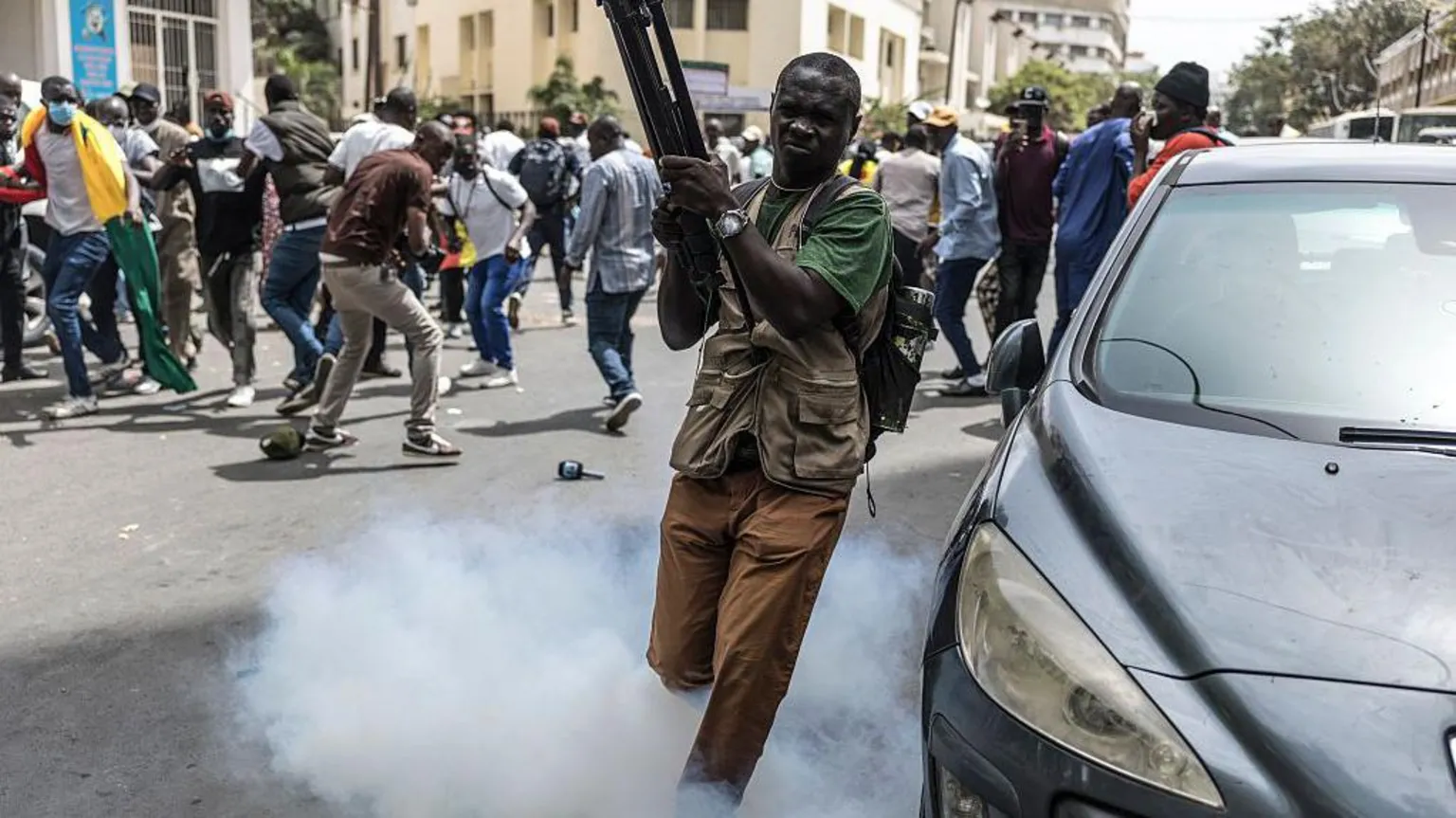
Senegal’s lawmakers have passed a controversial constitutional reform that expands the powers of parliament while curbing those of the president, triggering protests outside the National Assembly and underscoring a deepening political rift between President Bassirou Diomaye Faye and his former ally turned rival, parliamentary Speaker Ousmane Sonko.
The bill was passed by an overwhelming majority on Monday after heated exchanges in the chamber, with opposition MPs staging a walkout in protest. The ruling Pastef party, which holds 130 of the National Assembly’s 165 seats, said the changes were aimed at strengthening the separation of powers across Senegal’s executive, legislature and judiciary. But the opposition views the initiative as political revenge by Sonko, who retains significant influence over the parliamentary majority.
The reform includes several key provisions. It would strengthen parliamentary oversight by expanding lawmakers’ investigative powers and requiring the government to disclose agreements about natural resources to parliament. It proposes the creation of a Constitutional Court to replace the current Constitutional Council, with nine instead of seven members. It would prohibit a sitting president from serving as leader of a political party, a move seen as aimed at President Faye, who remains a Pastef member but no longer holds an official party role. The reform also bars a president from signing certain acts into law during the period between a presidential election and the inauguration of the president-elect, and expands the powers of parliamentary committees.
READ MORE: Seven Months Into 2026, No Sign of 2025 Budget Performance Report from Tinubu Administration
Faye and Sonko came to power together in 2024 on the promise of sweeping reforms, but their alliance fractured over several months, with Sonko openly criticising Faye for his handling of Senegal’s debt problems. The tension came to a head in May when Faye fired Sonko as prime minister, but Sonko, whose Pastef party controls the National Assembly, was swiftly chosen by MPs as parliamentary speaker.
Outside parliament, police fired tear gas to disperse scores of protesters, with some attempting to storm the building. Inside the chamber, an opposition MP who refused to leave the podium after his motion to postpone the vote was rejected was forcibly removed by gendarmes, prompting all opposition MPs to walk out.
Justice Minister Moussa Sarr announced during the debate that President Faye intends to submit the matter to a national referendum, though no date has been set. But Sonko questioned whether the president had the authority to do so, arguing that the reforms had been validly adopted with the backing of a qualified majority of lawmakers. The opposition and various civil society organisations have criticised the amendments and called for an immediate withdrawal of the bill.
About The Author


Related Articles
Senegal’s Power Cuts Force Government to Push Gas as the Long-Term Fix
Senegal’s energy minister says the power cuts that hit the country hard...
Ethiopia and Eritrea Cut Diplomatic Ties as Tigray Conflict Escalates
Ethiopia and Eritrea have severed diplomatic relations as renewed fighting in northern...

Tinubu Cannot Even Speak for Himself, Nigerians Say After Edited Broadcast Exposed
Nigerians on social media have accused the Presidency of manipulating President Bola...
Tinubu’s Cancer Analogy Backfires as Nigerians Remind Him He Was in Power Since 2015
President Bola Tinubu’s attempt to paint himself as the leader who inherited...
Leave a comment