


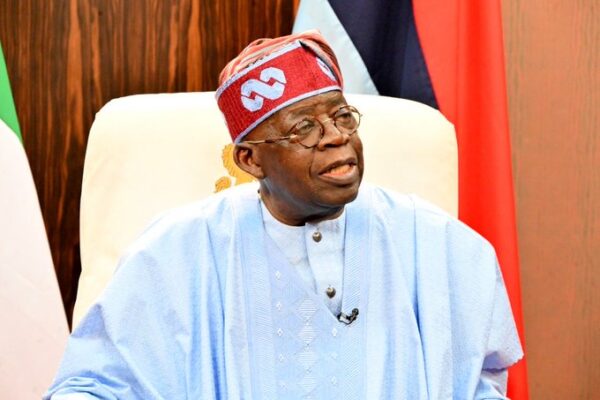
The administration of President Bola Tinubu is running the country on autopilot following a surge in terrorism-related fatalities, allegations of ransom payments to Boko Haram, and claims that Western aid has inadvertently financed insurgent groups. With Nigeria ranked 6th on the 2025 Global Terrorism Index and recording a 34% rise in deaths to 565 in 2024, public trust in the government’s security strategy has declined.
Reports alleged that the government paid approximately $7 million, nearly ₦10 billion, to secure the release of 230 pupils and staff abducted from St. Mary’s Catholic Boarding School in November 2025. Intelligence sources claimed the funds were delivered via helicopter to Gwoza, a Boko Haram stronghold, and handed to commander Ali Ngulde. The deal was also said to include the release of two senior Boko Haram commanders, an action that would violate Nigeria’s Anti-Terrorism Act, which prescribes up to 15 years’ imprisonment for ransom payments. The Minister of Information, Mohammed Idris, dismissed the reports as “fiction,” stating the rescue resulted from “operational precision.” Investigations reportedly linked the kidnappers to a faction led by a commander known as Sadiku, implicated in the 2022 Abuja-Kaduna train attack.
Government rhetoric has further drawn attention following remarks by National Security Adviser Nuhu Ribadu that terrorists should still be regarded as “brothers” because they are Nigerians. Some security officials have emphasised rehabilitation and reintegration as part of a long-term counterinsurgency strategy. This stance contrasts with the judiciary’s handling of separatist leaders. On November 20, 2025, IPOB leader Nnamdi Kanu was sentenced to life imprisonment on terrorism charges. Judge James Omotosho stated he opted against the death penalty because it is “frowned upon by the international community.”
International disclosures have added a complex dimension to the crisis. During a February 2025 U.S. House hearing, Congressman Scott Perry alleged that billions of dollars in funding distributed through USAID had reached terrorist organisations, including Boko Haram, the Taliban, Al-Qaeda, and ISIS, describing diversion of humanitarian assistance through taxation, theft, or coercion in conflict zones. He also cited a case in Pakistan where $136 million allocated for 120 schools allegedly resulted in only minimal infrastructure.
Germany has expanded its financial commitment to stabilisation programs in Nigeria’s northeast, contributing a total of $75 million since 2019, including a recent £15 million allocation to a facility managed by the United Nations Development Programme. Projects include rebuilding communities such as Ngarannam with homes, marketplaces, and culturally tailored schools, alongside programs aimed at reintegrating former Boko Haram associates who have surrendered.
The administration’s security direction has also drawn focus following advice from cleric Sheikh Ahmad Gumi, who urged a reduction in military cooperation with the United States in favour of alternative partnerships. In January 2026, President Tinubu signed nine defence and economic agreements with Turkey covering intelligence sharing, military training, and trade expansion, aiming to increase bilateral trade from $2 billion to $5 billion.
Internal tensions have surfaced as former Kaduna State governor Nasir el-Rufai accused the NSA’s office of illegal wiretapping and attempting to arrest him at Abuja airport, allegations reflecting divisions within Nigeria’s political and security establishment.
Nigeria’s security indicators continue to worsen, with terrorism-related fatalities rising from 392 in 2022 to 565 in 2024, while the Sahel region now accounts for 51% of global terrorism deaths.
The Global Community Engagement and Resilience Fund, which has invested $11.75 million in Nigeria, identifies limited trust in government institutions as a major factor influencing extremist recruitment.
The convergence of alleged ransom negotiations, rehabilitation initiatives for surrendered militants, and concerns about diverted Western aid has intensified debate over Nigeria’s counterterrorism strategy, as the government maintains that its policies aim to save lives and stabilise affected regions amid escalating violence.
About The Author




Leave a comment