

Tinubu Government Reportedly Paid Millions of Dollars in Ransom to Boko Haram for Release of Kidnapped Schoolchildren
 West Africa WeeklyFebruary 25, 20262 Mins read653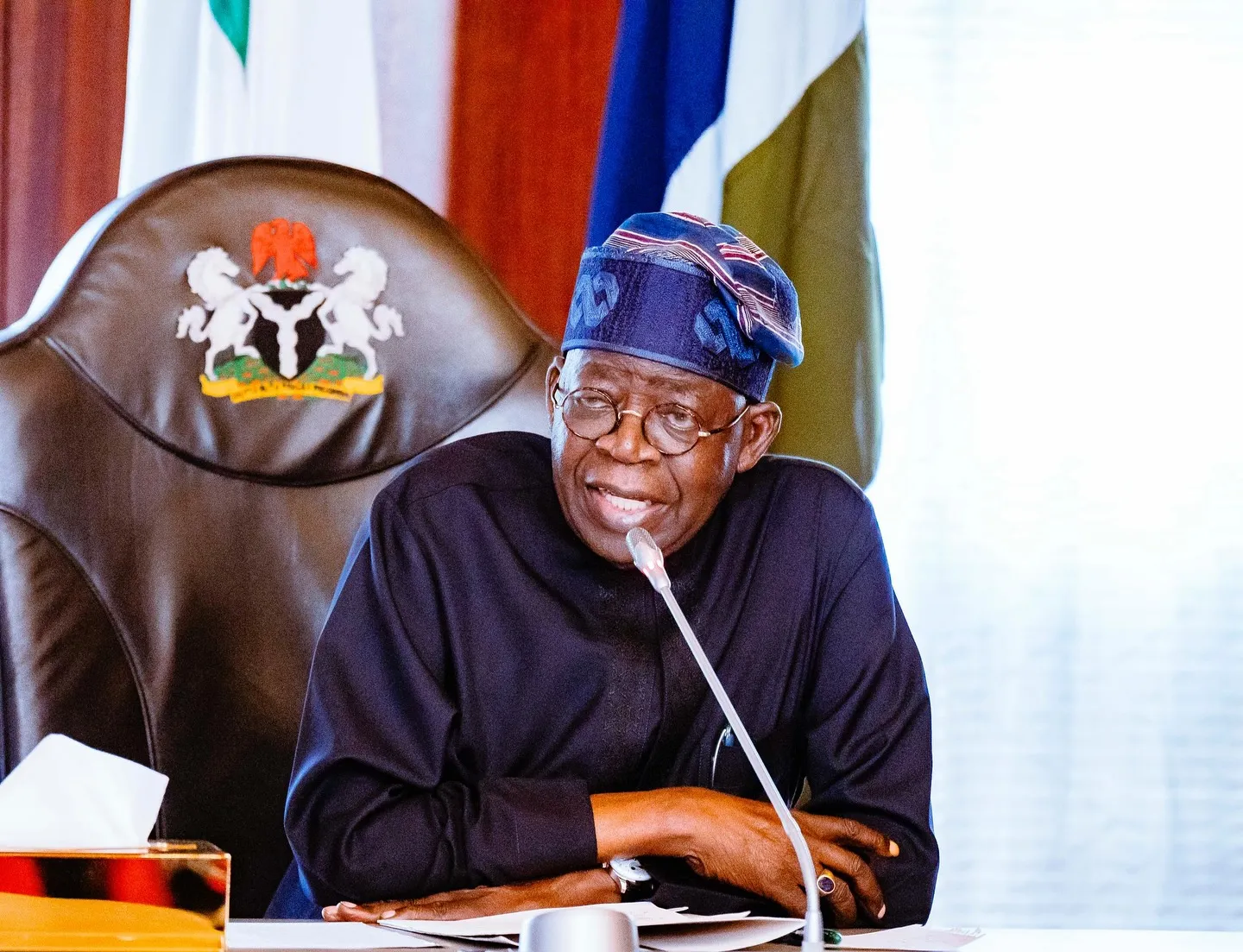
New details have emerged suggesting that the Nigerian Government may have paid a large ransom to secure the release of up to 230 pupils and staff abducted from St. Mary’s Catholic Boarding School in Niger State last November. According to an investigation by the French news agency Agence France-Presse (AFP), intelligence sources have confirmed that a substantial sum of money was transferred to militants linked to Boko Haram as part of negotiations over the hostages.
The abduction, which took place on November 21, 2025, saw dozens of students and school workers taken from the school in Papiri, Agwara Local Government Area. At least 50 of the victims later escaped their captors, but hundreds remained in custody for nearly two weeks before being freed. The government initially maintained that the release was secured without paying ransom.
However, multiple intelligence officials familiar with the situation told AFP that the government delivered cash directly to Boko Haram fighters. One source described the payment as about ₦40 million per hostage – roughly $7 million in total, or nearly ₦10 billion when converted at current exchange rates. Another source placed the figure lower, at around ₦2 billion overall.
The money was reportedly flown by helicopter into Gwoza, a known Boko Haram stronghold in northeastern Borno State, close to the border with Cameroon, where it was handed over to a Boko Haram commander identified as Ali Ngulde. Due to poor communications in the remote area, Ngulde is said to have crossed into Cameroon to confirm receipt of the funds before the first group of children was released.
In addition to the cash payment, AFP reported that the deal included the release of two senior Boko Haram commanders, a claim that has further intensified controversy because federal law explicitly bans paying ransoms to terrorist groups. Nigeria’s Anti-Terrorism Act prescribes prison sentences of up to 15 years for individuals or officials involved in ransom payments.
READ MORE: Tinubu’s APC government repeats election rigging
The investigation also linked the kidnappers in this incident to fighters from a faction of Boko Haram operating under a commander known as Sadiku, who has been implicated in previous high-profile attacks, including the 2022 train ambush on the Abuja-Kaduna rail line. That attack similarly involved ransom negotiations that resulted in payments to secure the release of wealthy hostages.
The alleged ransom payment has sparked debate within security and diplomatic circles. A senior United States Treasury official visited Abuja amid ongoing talks on counter-terrorism financing, a timing seen by some analysts as significant given the emerging claims about ransom negotiations.
Despite the claims from unnamed intelligence sources, government officials have repeatedly denied that any ransom or commanders were released as part of the negotiations. In an official statement, the Minister of Information and National Orientation, Mohammed Idris, called the reports “completely false and baseless,” and insisted that the hostages were freed through “professional intelligence and operational precision.” The government also dismissed details about cash being delivered by helicopter as “fiction” and challenged the credibility of the anonymous sources cited in the AFPreport.
The situation highlights a broader challenge in Nigeria’s ongoing struggle with mass kidnappings, insurgency and negotiations with armed groups. Despite laws prohibiting ransom payments, families of kidnapped individuals have sometimes arranged payments independently, and there are longstanding disputes over how governments should handle negotiations with militant groups.
As questions continue about the circumstances surrounding the St. Mary’s rescue, the government’s position remains that no ransom was paid and no militant figures were freed in exchange for the children. The conflicting accounts have underscored the complex and often opaque nature of security negotiations in one of the country’s most pressing crises.
About The Author

Related Articles
Congo’s Former President Kabila Forms New Rebel Coalition With M23 to Oust Government
Former Congolese President Joseph Kabila has launched a new political-military coalition with...
Ukraine Woos Ghana to Help Return Children Abducted by Russia as War Rages On
Ukraine is pressing Ghana to join its international campaign to reunite children...

EKEDC Slams N181,000 Back Charge on Customers After Billing Error, Operations Manager Tells Residents to Do Their Worst
An Eko Electricity Distribution Company customer has accused the company of imposing...

Traoré’s Two Books Raise CFA 125 Million for Burkina Faso’s Patriotic Support Fund
Two books centred on the actions and vision of Burkina Faso’s military...
Leave a comment