





Nigeria Film Industry Calls for Cheaper Tickets and Decentralised Cinemas to Boost Nollywood
 West Africa WeeklyFebruary 23, 20262 Mins read920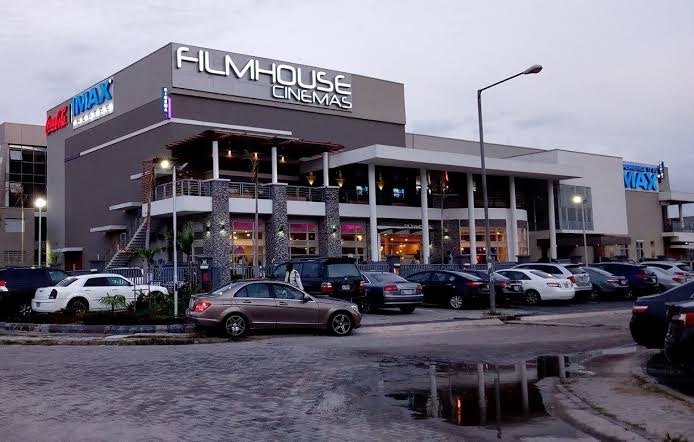
Nigeria’s film industry is at a critical crossroads as experts warn that structural challenges in cinema exhibition are holding back the economic potential of Nollywood despite its global prominence. A leading industry figure has urged a rethink of how films are shown in the country, arguing that current ticket pricing and cinema placement limit access and stunt growth in an industry that produces thousands of movies each year.
Yinka Ade‑Aluko, founder of Doodle‑Film Hub, made the call in Lagos while analysing the recently released FilmOne 2025 Box Office Year Book. His message was clear: while Nigeria’s film‑making talent is undoubted, the system that brings films to audiences is outdated, narrow in reach and too expensive for everyday citizens.
According to the report, Nigeria’s total cinema box office revenue stands at about ₦16 billion, a figure Ade‑Aluko described as underwhelming in a country of roughly 250 million people, more than 60 per cent of whom are under the age of 30. Only around 2.3 million cinema admissions were recorded last year, meaning fewer than one in 100 Nigerians went to the movies at a theatre — a statistic experts say highlights not a lack of interest but a lack of opportunity.
“Nollywood’s strength is not its creativity or storytelling. It is its accessibility,” Ade‑Aluko said. He pointed out that Nigerians consume films eagerly through television, mobile devices, streaming platforms and informal channels, which shows demand is real. Yet cinema‑going in the country has effectively become a luxury event reserved for wealthier urban audiences, rather than a mass cultural habit.
Part of the problem, he noted, is ticket prices. On average, cinema tickets in Nigeria are sold for around ₦7,000, with some venues charging as much as ₦15,000. For families, students, low‑income workers and frequent moviegoers, such prices make regular attendance prohibitive. Ade‑Aluko explained that repeat viewing — a cornerstone of strong box office performance — is nearly impossible when outings cost as much as a day’s wages for many Nigerians.
READ MORE: Burkina Faso Increases State Stake to 40 Percent in Kiaka Gold Mine
Equally concerning is the mismatch between production and exhibition. Nigeria reportedly produces roughly 2,000 films a year, yet only a small fraction — 81 titles — made it to cinema screens within the reporting period. This bottleneck, he said, is evidence of conservative distribution structures that favour a handful of titles and foreign films, while barring many local productions from reaching audiences on the big screen.
Cinema infrastructure is another significant constraint. Across Nigeria, Ghana and Liberia combined, there are only about 122 cinemas, and the vast majority are located in upscale shopping malls and affluent neighbourhoods. Secondary cities, semi‑urban areas and university campuses are largely underserved, leaving large segments of the population without convenient access to theatrical screenings.
To address these challenges, Ade‑Aluko has proposed a decentralised, community‑focused model for movie exhibition. Instead of expecting audiences to travel to high‑end, centralized venues, he suggests developing locally driven cinema initiatives that can operate in campuses, neighbourhood centres and emerging urban clusters. Such models could support flexible pricing, sponsorship‑backed screenings, partnerships with institutions and subscription systems that encourage frequent attendance.
Ade‑Aluko also highlighted the broader economic benefits of expanding cinema access. A stronger exhibition ecosystem could create jobs for projectionists, technicians, marketers, hospitality staff and vendors, while also deepening domestic circulation of Nigerian cultural narratives. He argued that countries with vibrant domestic cinema networks are better positioned to export their culture and build cultural influence beyond their borders.
Ultimately, he said, the future of Nigerian cinema may depend less on how many films are produced and more on how widely they are seen. For an industry as prolific and creatively rich as Nollywood, fixing the accessibility problem could unlock significant economic growth and cultural impact nationwide.
About The Author



Related Articles

Nollywood Sets Guinness World Record as Over 51,000 Watch ‘Black Market’ at TBS Lagos
Nollywood has broken the Guinness World Record for the largest attendance at...
Davido, Rema, Omah Lay to Perform at Afro Nation Portugal 2027
Nigerian music stars Davido, Rema, Omah Lay, Victony and Odeal are among...
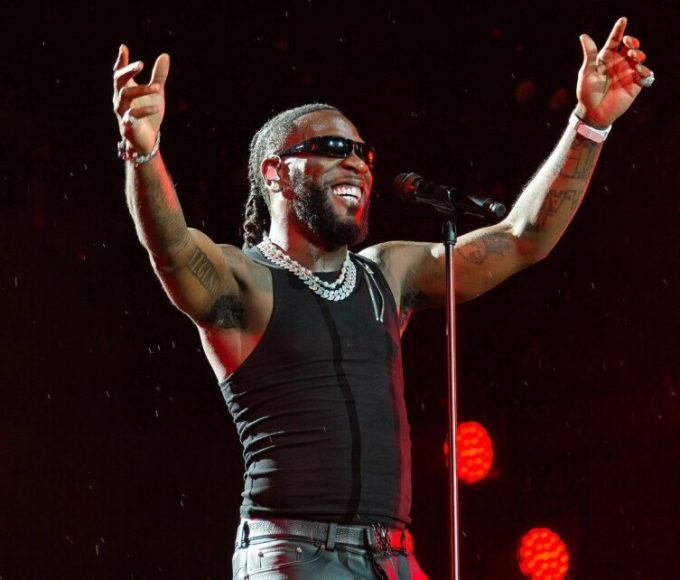
Burna Boy to Headline Historic NFL Paris Game Halftime Show
Nigerian Afrobeats superstar Burna Boy has been announced as the headliner for...
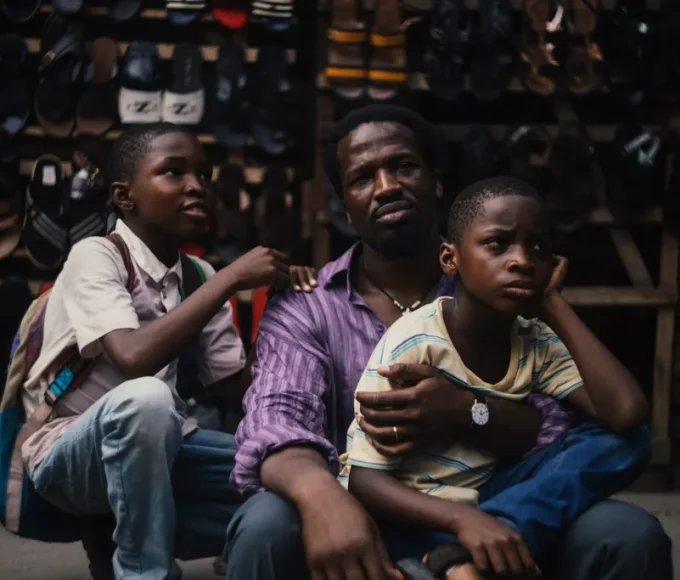

‘My Father’s Shadow’ Lands on Netflix September 21 After Historic Festival Run and $1M Box Office
Akinola Davies Jr.’s acclaimed debut feature, My Father’s Shadow, is set to...
Leave a comment