



Tinubu, FIRS Face Backlash Over Contradictions in France Tax MoU as Clarification Memo Fails to Justify ‘Advice Without Data or Services’
 West Africa WeeklyDecember 14, 20252 Mins read1k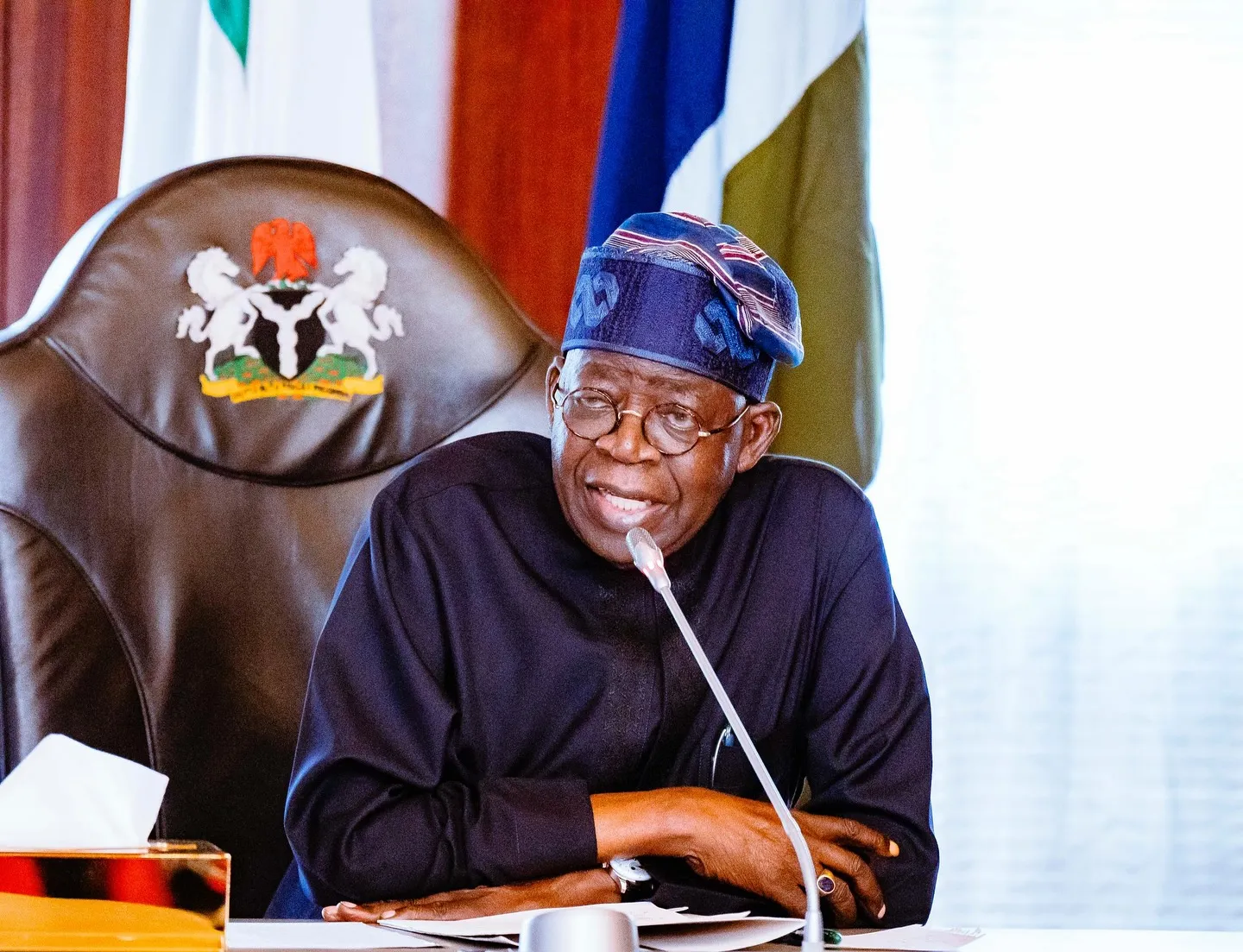
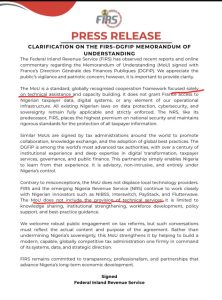
Fresh questions have emerged over the Memorandum of Understanding (MoU) between Nigeria’s Federal Inland Revenue Service (FIRS) and France’s Direction Générale des Finances Publiques (DGFiP), following a press release issued by FIRS to clarify public concerns.
In its statement, FIRS insists that the agreement is limited to “technical assistance and capacity building” and does not grant France access to Nigerian taxpayer data, digital systems, or operational infrastructure. The Service further states that the MoU does not involve the provision of “technical services” and is strictly advisory, non-intrusive, and entirely under Nigeria’s control.
However, the clarification raises new questions rather than settling existing ones.
Central to the controversy is an internal contradiction in the language of the agreement. While FIRS says France will provide “technical assistance,” it simultaneously insists that France will not provide “technical services.” The distinction is unclear, particularly in a highly technical area such as tax administration, where advice is typically grounded in detailed system analysis.
In international cooperation, technical assistance is often understood to encompass expert assessments, diagnostic reviews, and recommendations based on a thorough understanding of existing processes and procedures. How can France offer meaningful, high-quality advice without some level of access to operational data?
FIRS maintains that no Nigerian taxpayer data will be shared and that all data protection, cybersecurity, and sovereignty laws remain entirely in force. However, the agency has not publicly explained what level of system insight will be granted to French advisers, or how recommendations will be formulated without exposure to sensitive information about Nigeria’s tax structure, compliance gaps, or revenue performance.
Beyond the technical issues, the agreement has also drawn political scrutiny. The MoU reflects a broader foreign policy tilt under President Bola Tinubu toward closer alignment with France, at a time when several Francophone African countries have been distancing themselves from Paris. In recent years, nations such as Mali, Burkina Faso, and Niger have moved to curtail French military and political influence, citing concerns over sovereignty and post-colonial dependency.
Against this backdrop, why is Nigeria, an Anglophone country with a large domestic technology ecosystem and strong regional ties, deepening cooperation with France, rather than prioritising collaboration with local institutions or African partners?
FIRS has rejected suggestions that the MoU ignore sovereign Nigerian technology providers, stating that it continues to work closely with local innovators such as NIBSS, Interswitch, Paystack, and Flutterwave. The Service also emphasised that the agreement does not involve system implementation or outsourcing, but is limited to knowledge sharing, institutional strengthening, workforce development, and policy guidance.
However, the assurances alone are insufficient, and there is a call for the full MoU to be published. Public debate should be grounded in the actual text of the agreement, not summaries or interpretations.
If the MoU is as limited and harmless as claimed, there should be no obstacle to its public disclosure. Trust is built through disclosure, not reassurance.
Until the document is released, debate is expected to continue over whether the FIRS–DGFiP agreement is a routine capacity-building arrangement or a deeper partnership whose implications have not yet been fully explained to Nigerians.
READ ALSO: Tinubu Under Scrutiny as FIRS–France Partnership Sparks Fears of External Influence
About The Author

Related Articles

Algeria Severs Diplomatic Ties With UAE, Closes Airspace to Emirati Aircraft
Algeria announced on Thursday that it was cutting diplomatic ties with the...
Gambia Protests Turn Chaotic as Power Outages Worsen Ahead of December Elections
Thousands of Gambians took to the streets overnight in Banjul and surrounding...
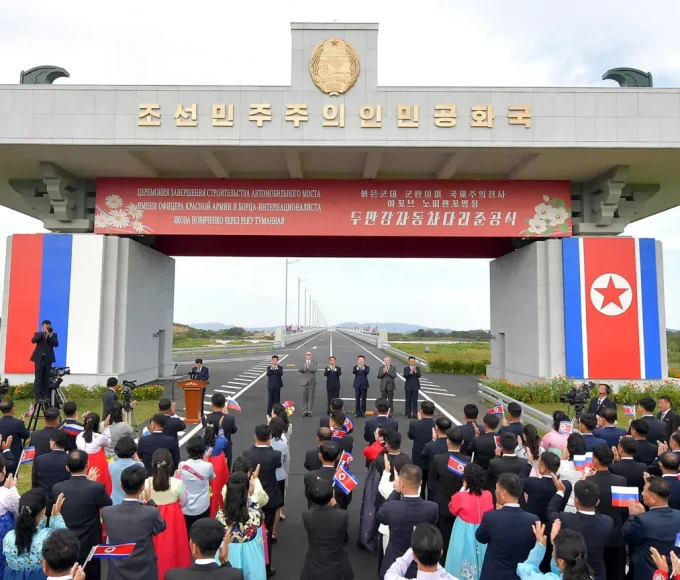
Russia and North Korea Open First Road Bridge, Raising Fears of Covert Military Corridor
Russia and North Korea have opened the first road bridge linking the...


Only Two African Players Nominated for 2026 Men’s Ballon d’Or
Only two African players have been named among the 30 nominees for...
Leave a comment