





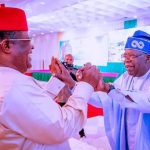
Nigeria’s Rubber-Stamp Senate Silent as Tinubu’s Unapproved Military Actions in Benin and Burkina Faso Threaten to Ignite a West African War
 West Africa WeeklyDecember 9, 20251 Mins read919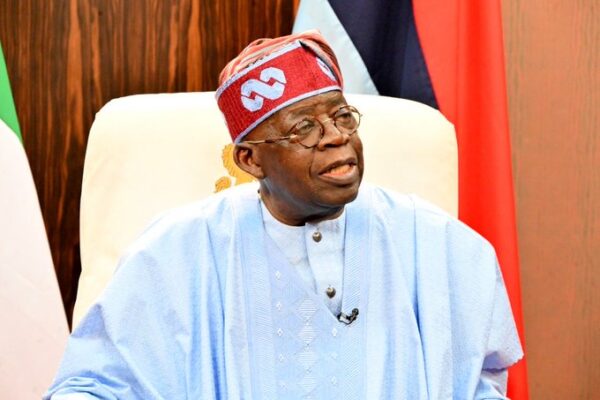
Nigeria’s Senate continues to generate widespread frustration as its conduct reinforces public claims that it has abandoned its constitutional duty of oversight in favour of complete political allegiance to President Bola Tinubu. Instead of questioning the administration on issues ranging from regional diplomatic tensions to worsening insecurity, economic hardship, and controversial executive actions, senators have repeatedly been seen publicly praising the President, and, in some cases, extending this praise to First Lady Oluremi Tinubu, whom some lawmakers have referred to with near-reverential language during plenary and public events.
This growing perception of a legislature more committed to flattery than accountability has heightened public concerns about democratic backsliding. Footage of Senate sessions in which lawmakers break into songs of loyalty, “on your mandate we shall stand”, applaud presidential announcements without debate, or give deference to the First Lady, “our mommy”, has circulated widely online, fueling criticism that the chamber has lost both independence and seriousness. These displays symbolise a Senate that has chosen political loyalty over national duty.
Despite ongoing issues, including the detention of Nigerian military personnel in Burkina Faso, the escalating tension with AES member states over alleged airspace violations, and multiple domestic crises demanding scrutiny, the Senate has not instituted any probing investigations or summoned key officials for questioning. No attempt has been made to interrogate the decision-making behind the aircraft incident or to demand accountability on broader governance challenges.
Instead, the legislative body has aligned with the executive, approving presidential requests rapidly, defending contested appointments, and avoiding any firm stance on issues that would ordinarily require parliamentary intervention. This pattern has reinforced the widespread perception that the Senate has become a rubber-stamp institution, operating more as a political extension of the presidency than as a check on power.
As frustration mounts, the country is operating with an executive unchecked by constitutional balance. With the Senate offering praise instead of oversight, the administration faces minimal institutional pressure to explain its decisions, justify its actions, or respond to growing public unease. The result is a worsening crisis of trust, not only in the executive, but in the very institutions meant to safeguard Nigeria’s democratic order.
About The Author


Related Articles
Gambian Businesses Struggle Under Prolonged Blackouts as Anger Mounts Ahead of December Election
Gambian businesses are collapsing under the weight of prolonged power cuts that...
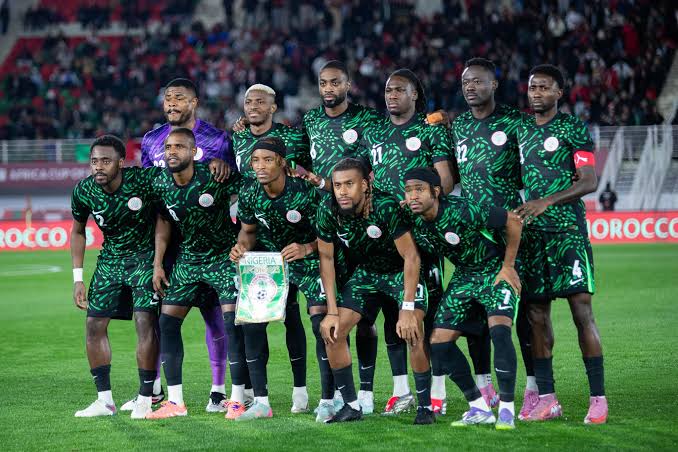
Chelle Names Osimhen, Lookman, Ndidi in 24-Man Super Eagles Squad for 2027 AFCON Qualifiers
Super Eagles head coach Éric Chelle has unveiled a 24-man squad for...
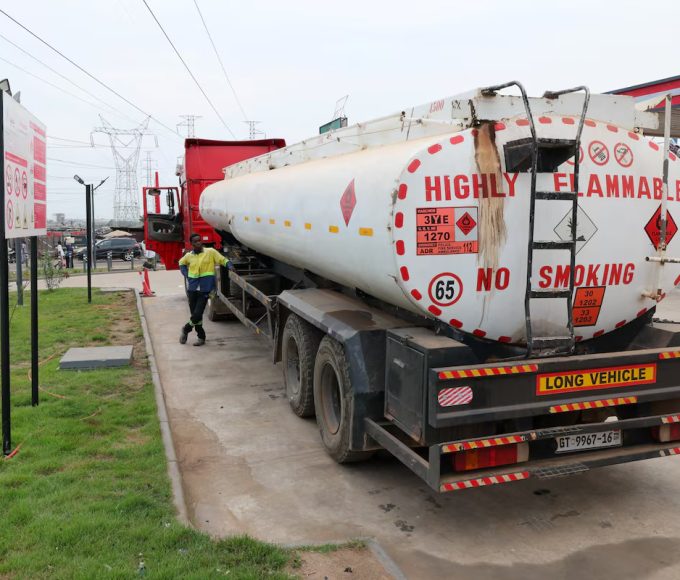
Ghana Cuts Fuel Exports to Burkina Faso and Mali to Protect Its Own Supply
Ghana’s state-owned fuel distributor BOST Energies has reduced diesel and gasoline exports...


ASUU Strike Threatens to Shut Down Federal Universities as Nigerians Accuse Media of Ignoring the Crisis
The Academic Staff Union of Universities is on the verge of a...
Leave a comment