




iPhone Delivery Turns Into ₦800k Extortion as Nigerian Customs Keeps Inventing New Charges
 West Africa WeeklyDecember 4, 20252 Mins read1.4k
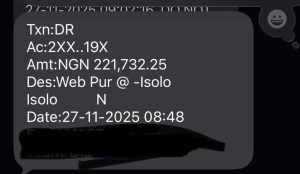
A recent social media post on X has drawn attention to the difficulties Nigerians face when receiving high-value electronics from abroad. A user recounted sending an iPhone 17 Pro Max to Nigeria via DHL, only to encounter repeated hurdles from government agencies, highlighting frustrations with the country’s import and customs processes.
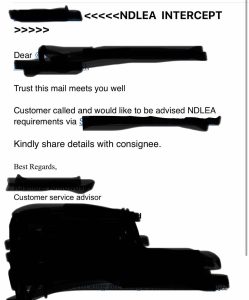
According to the post, the package arrived in Nigeria without issue from the sender’s side. However, Nigerian authorities initially held the device, with the National Drug Law Enforcement Agency (NDLEA) reportedly requesting the sender’s identification, a formal letter describing the relationship with the recipient, and proof of purchase. The sender stated that this was despite already providing ID during the initial shipping process.
Following escalation with DHL, NDLEA withdrew its request, but the parcel remained on hold with customs. The situation escalated further when customs demanded an additional payment, claiming the phone’s initial declared value was too low. In total, the sender reports paying roughly 212,000 naira initially, only for customs to request an additional 600,000 naira, citing the device’s undervaluation.
The post highlights the confusion and frustration of dealing with multiple agencies in Nigeria, with users questioning why NDLEA, primarily an anti-drug enforcement body, would involve itself in clearing a legitimate consumer electronic device. Social media users have since debated the fairness and transparency of such processes, with many expressing concern about the financial burden placed on Nigerians attempting to import personal items.
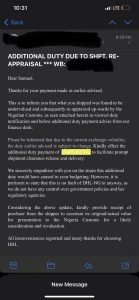
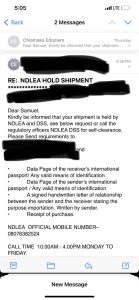
Experts note that such incidents are not isolated. High-value electronics and luxury items sent into Nigeria often face extensive scrutiny by customs and related agencies, with importers sometimes required to provide detailed documentation, proof of purchase, and relationships to recipients. In some cases, discrepancies between declared and perceived market value can lead to additional charges or demands for payment, making imports both unpredictable and costly.
This incident underscores a broader challenge for Nigerians who rely on international shipping to obtain devices and goods not readily available domestically. While global courier services like DHL facilitate international delivery, local regulatory practices often complicate the process, leaving recipients frustrated and financially strained.
The case has sparked widespread discussion online, with many using it as an example of the need for reform in customs and import practices in Nigeria. As digital commerce grows, ensuring clarity, transparency, and fairness in the handling of imported goods has become an increasingly pressing issue.
READ MORE: Lagos Welcomes XVI Edition of S16 Film Festival Featuring Shorts, Features, and Panels
About The Author


Related Articles
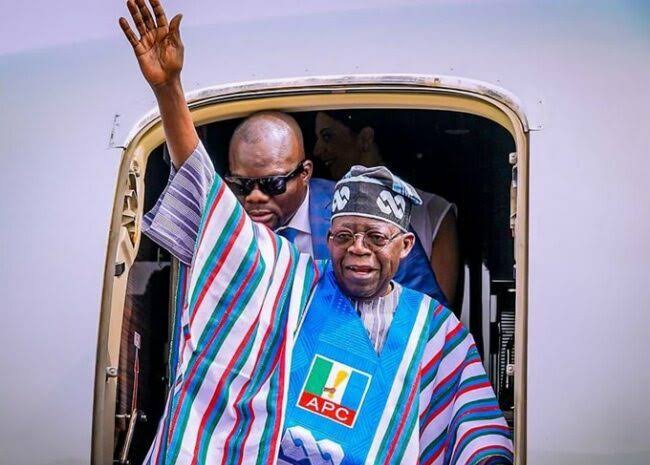
How Lagos’ Dirty Culture Followed Tinubu to Abuja
When President Bola Tinubu moved from Lagos to Abuja in 2023, many...

Chad to Grant Visa-Free Entry to All African Citizens From January 1, 2027
Chad has announced that it will abolish entry visa requirements for all...
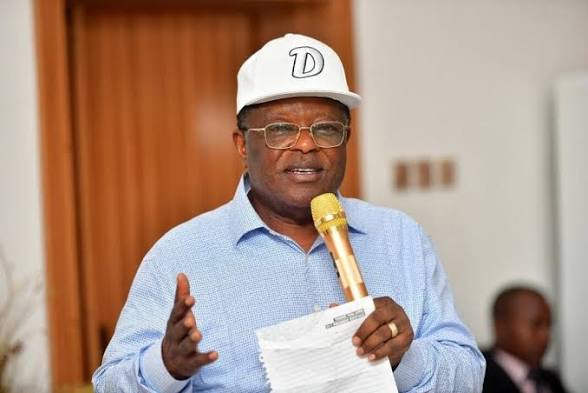
Umahi Claims Abuja-Kano Road Will Be Completed by November, Despite Years of Delays and Ballooning Costs
The Minister of Works, David Umahi, has announced that the remaining 164...
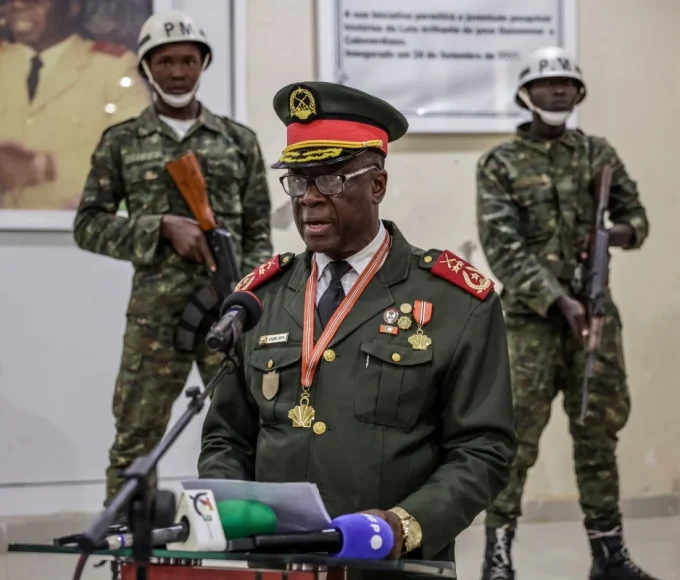

Guinea-Bissau Junta Leader Makes First Foreign Trip to Chad Amid Diplomatic Isolation
Guinea-Bissau’s transitional leader, General Horta N’Tam, travelled to Chad on Monday for...
Leave a comment