






Europe Exploits Nigerian Crude, Blocks Dangote, and Sells Back Expensive, Polluting Refined Fuel to Nigerians
 West Africa WeeklyDecember 3, 20252 Mins read1.1k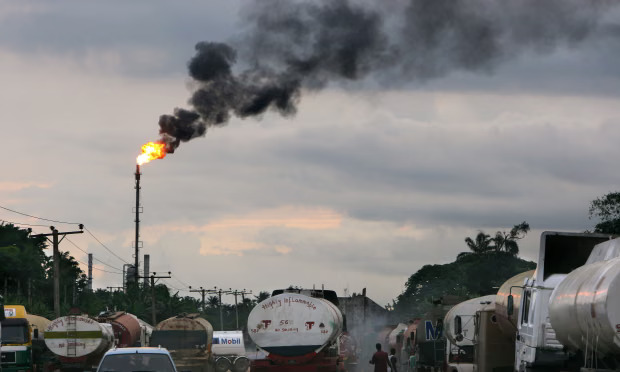
Nigeria continues to pump crude oil, but a troubling pattern has emerged: much of the country’s crude is exported, refined abroad, and then sold back, ignoring domestic refining. Foreign buyers, particularly in Europe, continue to purchase Nigerian oil; however, they are reluctant to buy refined fuel from local refineries, including the Dangote Refinery, even though Dangote initially processes Nigerian crude. This dynamic has frustrated efforts to add value locally and reduce dependence on imported fuel.
Nigeria remains one of the world’s largest crude oil exporters, while many Nigerians continue to pay high prices for imported fuel. Europe profits by buying raw Nigerian crude, refining it, blending it with high-sulfur refined oil, and then re-exporting the finished products, often at a higher cost than buying refined fuel locally. This allows foreign refiners to control the most profitable segments of the supply chain, while domestic refineries battle inconsistent crude supply, regulatory hurdles, and market distortions.
The Dangote Refinery, with a capacity of 650,000 barrels per day, was launched to end Nigeria’s dependence on imported refined fuel and retain value within the country. In 2024, it retained about 13% of Nigerian crude for domestic refining, signalling a potential shift in trade flows. Early operations did reduce fuel imports, with Nigeria’s fuel imports dropping to their lowest in eight years in early 2025.
READ MORE: Mali Recovers 1.2 Billion Dollars in Mining Arrears Under New Code
However, the refinery faces significant challenges. The supply of Nigerian crude has been inconsistent, forcing Dangote to import crude from abroad at times to maintain its production. At the same time, European refiners continue to purchase Nigerian crude directly, leaving domestic refineries, such as Dangote, struggling to secure enough feedstock for local production. Vested interests, both foreign and domestic, may be influencing regulations and market structures in ways that disadvantage local refining.
The result is a frustrating paradox where Nigeria exports its crude, local refineries are starved of feedstock, and Europe buys the crude. Still, it largely refuses to purchase refined Nigerian fuel, and the finished products are often sold back to African markets at higher prices. Dangote’s refinery, intended to break this cycle, remains squeezed between global trading dynamics, domestic supply issues, and policy instability.
Until Nigeria aligns crude supply, regulatory frameworks, and local market incentives to favour domestic refining, the country is likely to continue exporting raw value and buying back finished fuel at a cost, a cycle that limits economic benefit and undermines energy sovereignty.
About The Author



Related Articles

Gambia’s FGM Ban Under Threat as Imam Abdoulie Fatty and MP Almameh Gibba Push to Make Cutting Girls Legal Again
Two men are leading the charge to overturn The Gambia’s ban on...

Peter Obi Rejects $123m Anambra Debt Claim, Says He Left Over $150m in Funds
Peter Obi has rejected claims that he left Anambra State with $123...

Senegal Signs $3.5bn Refinery Deal With Turkey’s Yamata to Process Local Crude, Target West African Fuel Market
Senegal’s state refiner, the Société Africaine de Raffinage (SAR), has signed a...


Tinubu Awards $7bn Ogun Deep Seaport Deal to Chagoury-Linked DP World as Nigerians Question His Priorities
President Bola Tinubu’s administration has awarded two major Ogun State deep seaport...
Leave a comment