




Mohammed Badaru Abubakar Steps Down as Defence Minister as Insecurity Rises
 West Africa WeeklyDecember 3, 20251 Mins read632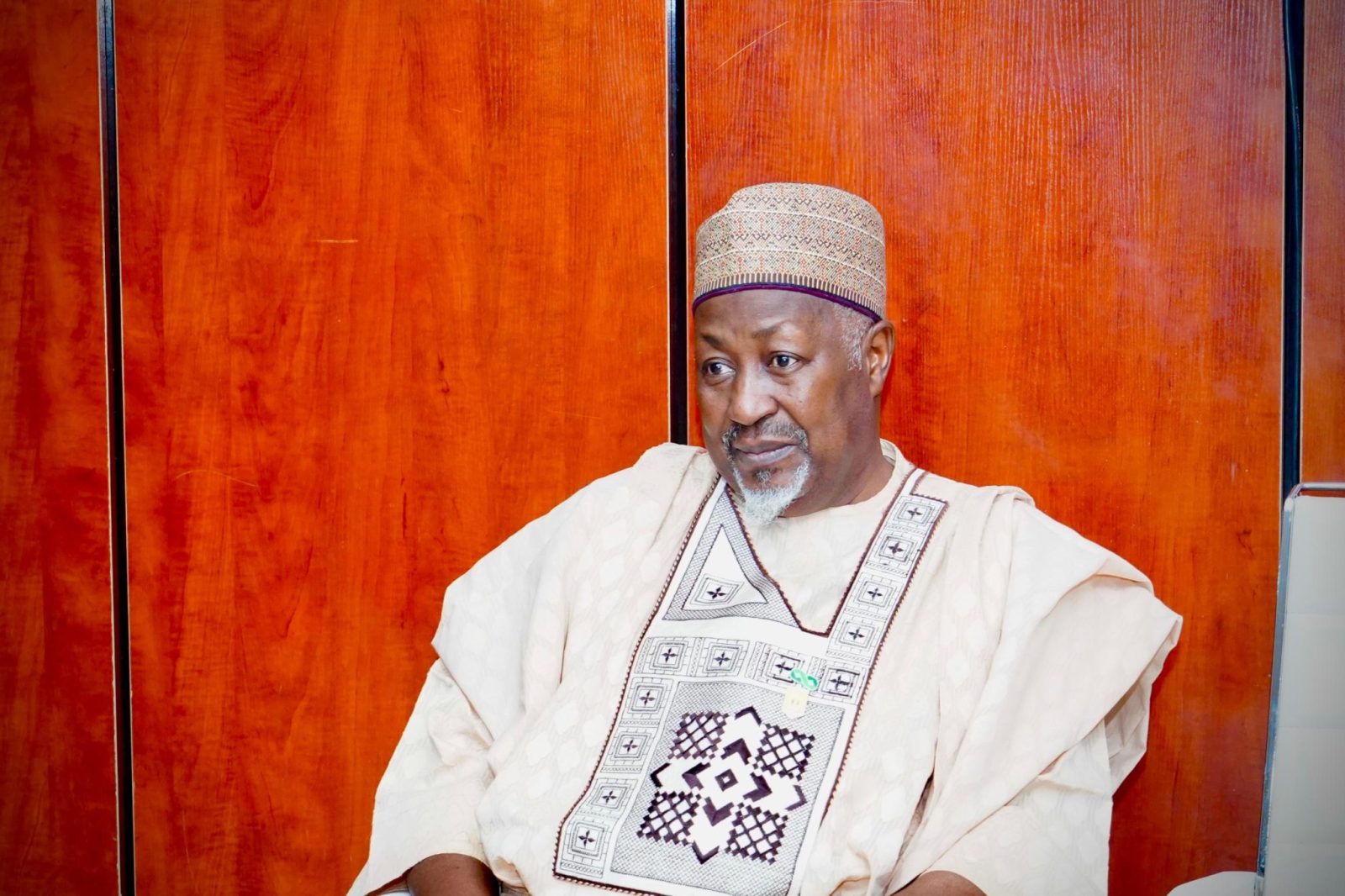
Nigeria has a new shake-up in its security leadership following the resignation of Defence Minister Mohammed Badaru Abubakar. On December 1, 2025, Abubakar submitted a letter to President Bola Tinubu citing health concerns as his reason for stepping down. The President accepted the resignation and thanked him for his service.
The announcement comes at a fraught moment. Just days earlier, the President declared a national security emergency, responding to a dramatic upswing in mass kidnappings, armed banditry, and other forms of violent crime across multiple states. Recent weeks have seen hundreds abducted, including schoolchildren, fueling public panic and pressure on the government to deliver security.
Abubakar, a former two-term governor of Jigawa State, had served as Defence Minister since August 2023. His departure now raises questions over the future of Nigeria’s security strategy at a time when stability is fragile, and expectations are high.
Eyes now turn to the likely successor, former Chief of Defence Staff General Christopher Musa. Reports suggest the President may soon formally notify the Senate of his nomination. Should Musa be confirmed, observers expect a swift shift, perhaps a reorientation in how the government handles defence and internal security operations.
What the change means remains to be seen. On one hand, fresh leadership could bring renewed energy, strategic tweaks, and increased accountability. On the other hand, the transition may lead to temporary disruption at a time when many Nigerians are seeking urgent relief from violence and insecurity.
For now, the country watches closely, hoping the reshuffle marks the beginning of a more effective response to the deepening security crisis.
About The Author

Related Articles
Senegal’s Power Cuts Force Government to Push Gas as the Long-Term Fix
Senegal’s energy minister says the power cuts that hit the country hard...
Ethiopia and Eritrea Cut Diplomatic Ties as Tigray Conflict Escalates
Ethiopia and Eritrea have severed diplomatic relations as renewed fighting in northern...

Tinubu Cannot Even Speak for Himself, Nigerians Say After Edited Broadcast Exposed
Nigerians on social media have accused the Presidency of manipulating President Bola...
Tinubu’s Cancer Analogy Backfires as Nigerians Remind Him He Was in Power Since 2015
President Bola Tinubu’s attempt to paint himself as the leader who inherited...
Leave a comment