





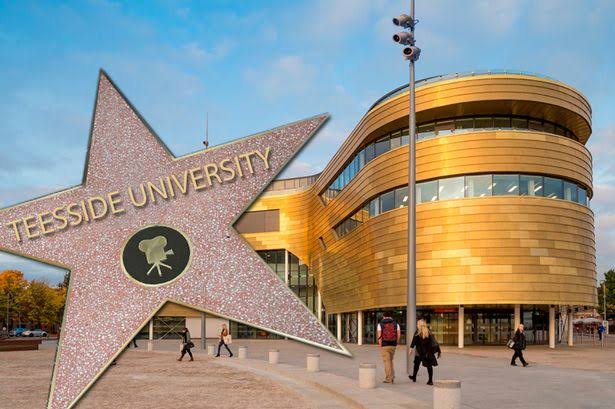
Nigerian students at Teesside University in the United Kingdom are being expelled from their courses and instructed to depart the country due to challenges in meeting tuition fee deadlines. The devaluation of Nigeria’s currency, the naira, has severely impacted these students, rendering their savings insufficient to cover their expenses.
The economic scene in Nigeria, possibly the worst in decades, is marked by nearly 34% inflation and a significant depreciation of the naira. As the value of the naira decreases, the cost of living and expenses denominated in foreign currencies increases for those in the diaspora. Consequently, many students cannot meet their financial obligations, including tuition fees.
Affected students from Teesside University have described the university’s response as “heartless” after their accounts were frozen and visas revoked due to non-payment. One student, Adenike Ibrahim, who was close to completing her dissertation, told BBC that her experience was “horrendous” and devastating for her family.
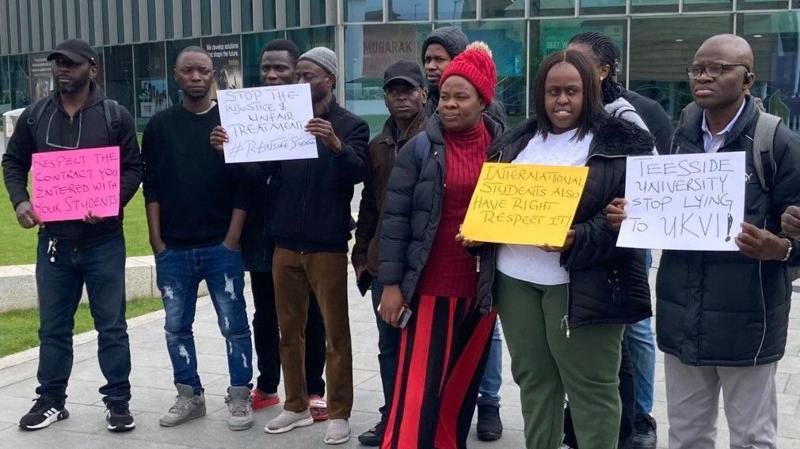
A university spokesperson stated that non-payment of fees breached visa sponsorship conditions, leaving the institution with “no choice” but to report the students to the Home Office. The Home Office, however, clarified that visa sponsorship decisions rest with the educational institution and advised affected students to regularise their stay or arrange to leave the UK.
The students, around 60, had initially shown proof of funds to cover their tuition and living expenses. However, the financial crisis in Nigeria depleted these funds. Their problem was also compounded by the university’s change from a seven-instalment tuition payment plan to three instalments. This led to several students being unable to meet payment deadlines. The university, in turn, resorted to account freezes, course withdrawals, and involving debt collection agencies.
Despite the university’s claim of offering flexible payment options, many students told BBC that they felt unsupported and left to navigate their financial hardships alone.
About The Author