






The APC Effect: 10 Years That Crippled Nigeria’s Economic Future
 West Africa WeeklyJuly 3, 20252 Mins read1.3k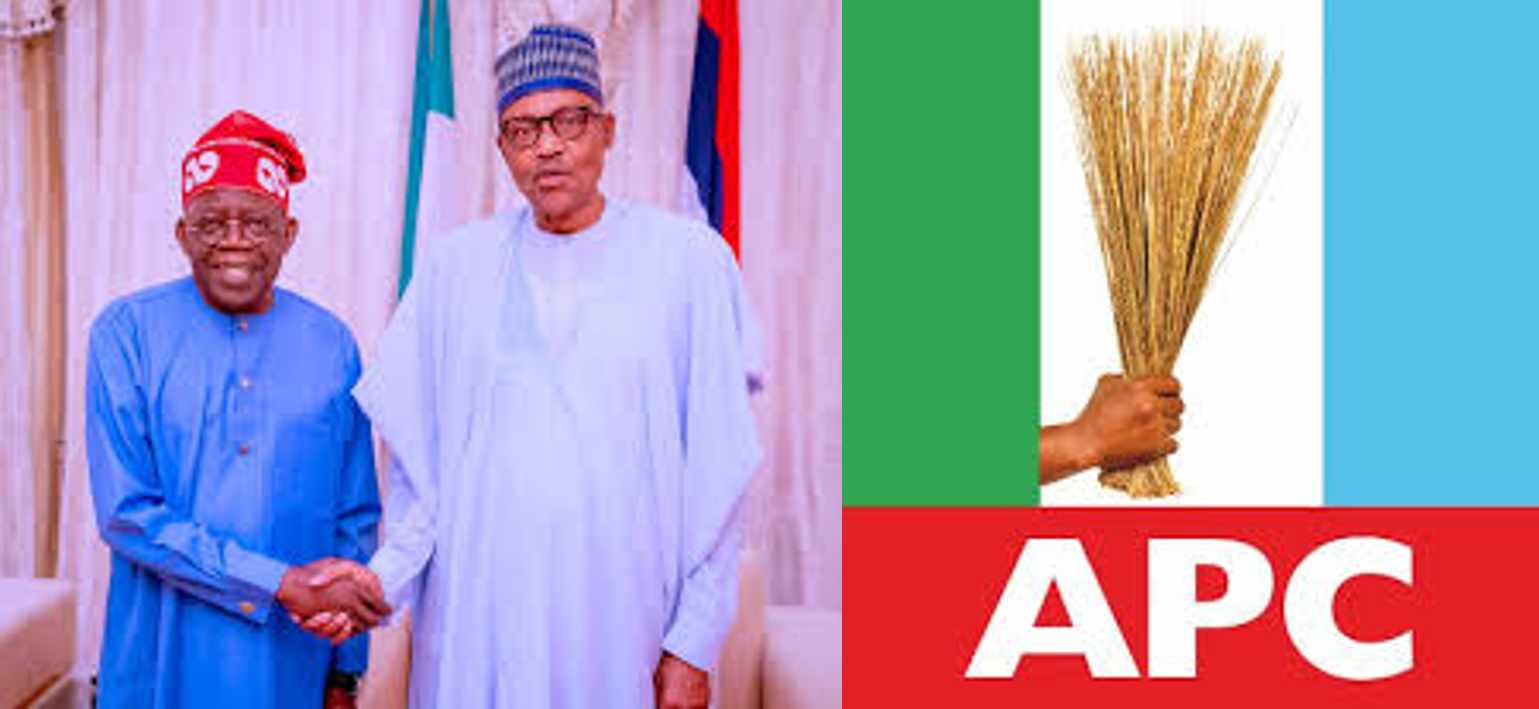
A decade after the All Progressives Congress (APC) came to power on the promise of “change,” Nigeria’s economic outlook is now marked by stagnation, soaring inflation, ballooning debt, and rising poverty. From being Africa’s fastest-growing economy to one of the continent’s most distressed, the story of Nigeria’s economic decline is inextricably linked to the APC’s rule, particularly the policies and political style of its current leader, President Bola Tinubu.
In 2015, the APC defeated incumbent Goodluck Jonathan with widespread support. The party capitalised on popular anger over corruption and insecurity, promising a clean break and economic revival. However, by virtually every indicator, the APC era has left Nigeria in a worse state.
Under President Muhammadu Buhari (2015–2023), Nigeria fell into two recessions in five years. The GDP growth rate, which averaged over 6% under previous administrations, collapsed to near zero. Unemployment soared to historic levels, inflation climbed steadily, and the country became the poverty capital of the world, with over 130 million people now considered multidimensionally poor, according to the National Bureau of Statistics.
Rather than reversing course, Bola Tinubu’s administration has doubled down on aggressive, IMF-style austerity policies since his inauguration in May 2023. Within days, Tinubu removed fuel subsidies and floated the naira. Though praised by international investors and financial institutions, these moves triggered a cost-of-living crisis for everyday Nigerians. Petrol prices quadrupled, food inflation surged above 40 per cent, and salaries remained stagnant.
Tinubu insisted Nigerians must “sacrifice” for a better future, but the poor and middle class disproportionately bear the burden, while those in government remain untouched.
What we are seeing is a cruel form of elite governance where the rich protect themselves with contracts and privilege, while the rest of the country bleeds.
Debt has also ballooned under APC rule. Nigeria’s total public debt stood at ₦12 trillion in 2015. As of early 2025, the debt stands at over ₦97 trillion, with debt servicing alone now consuming nearly 75 per cent of government revenue. Even Tinubu’s 2024 budget allocated more to debt repayment than to health, education, and infrastructure combined.
Compounding the economic troubles are corruption scandals and opaque infrastructure deals. The controversial Lagos-Calabar Coastal Highway project, linked to President Tinubu’s inner circle, including the Chagoury family’s Hitech Construction, has sparked concerns about crony capitalism and environmental violations. Meanwhile, basic services continue to collapse: public schools are shut, hospitals lack funding, and civil servants face salary delays.
The APC’s defenders argue that Nigeria’s problems predate their tenure and point to global economic shocks, such as the COVID-19 pandemic, and fluctuating oil prices. However, such explanations ring hollow for many Nigerians, who view the last 10 years as a missed opportunity, one defined by poor planning, a lack of transparency, and leadership disconnected from citizens’ reality.
As President Tinubu continues to court foreign investors and seek global legitimacy, the gap between official rhetoric and lived experience becomes increasingly stark. International headlines may praise Nigeria’s reform agenda, but at home, the mood is grim. Market women, unemployed youth, teachers, and small business owners are all asking the same question: after 10 years of APC, are we better off?
For many, the answer is a painful no.
Read More:
- Reactions as Malian National Transition Council Member Detained in Côte d’Ivoire Amid Diplomatic Tension
- Nigeria Bleeds Again as Lakurawa Terror Group Attack Claims 15 Lives in Sokoto Village
About The Author

Related Articles

Senegal Rejects CAF Verdict, Moves to Appeal AFCON Title Decision
A major controversy has erupted in African football after the Confederation of...

Surrogacy in Ghana Marketed at Berlin Fertility Fair Raises Ethical Concerns
A growing controversy is emerging around the global surrogacy industry after a...

Mali Distributes Over CFA 18 Billion Mining Fund to Local Communities
The transitional president of Mali, Assimi Goïta, has handed over more than...

Bandits at the Akure Airport Confirm What Nigerians Already Know About Tinubu’s Government and Its Failures
Terrorism has so deeply infected Nigeria that nowhere is safe anymore. Not...
Leave a comment