




Resilient ‘Steve’ Mosquito Sparks Malaria Crisis in Africa
 Ikenna ChurchillJanuary 19, 20241 Mins read1.5k
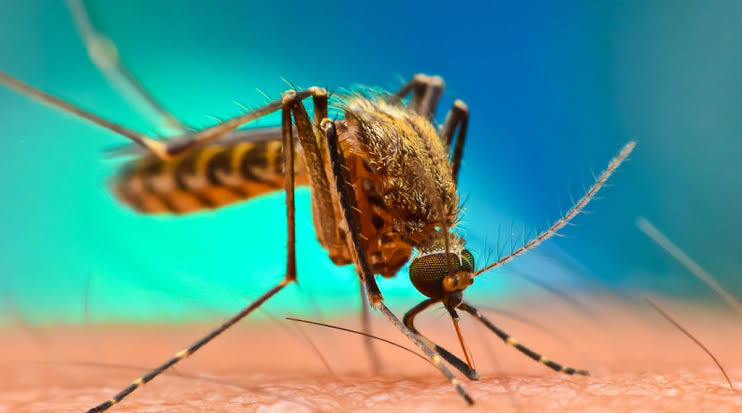
The recently identified mosquito species, colloquially named “Steve” (scientifically Anopheles stephensi), is causing a surge in malaria infections across Africa, raising significant public health concerns, according to the World Health Organization (WHO). Originating in South Asia, the “Steve” mosquito was first detected in Djibouti in 2012.
Since its discovery, Djibouti has witnessed a dramatic increase in malaria rates, and the mosquito has since spread to seven African countries, including Ethiopia, Sudan, Somalia, Kenya, Nigeria, and Ghana. Unlike other mosquitoes that typically breed in rivers and swamps, the “Steve” mosquito thrives as an urban breeder in dry environments, making it challenging to control due to its ability to survive with minimal moisture in containers, tyres, and gutters.
Compounding the issue is that this new species exhibits distinctive behaviours, such as biting outdoors during daylight hours and showing immunity to commonly used pesticides. Dr Dorothy Achu, WHO’s lead for tropical diseases in Africa, highlights the threat ” Steve ” poses in urban settings, challenging current strategies primarily focused on indoor interventions. Detecting and eliminating this resilient mosquito from harsh climates proves difficult, complicating efforts to mitigate its impact on public health.
As the “Steve” mosquito continues to spread, health officials grapple with the urgent need for innovative strategies to address this emerging threat to malaria control in Africa. According to a WHO report, the African region carries a disproportionately large share of the global malaria burden, accounting for 94% of malaria cases and 95% of malaria deaths in 2022. Children under the age of 5 represent 80% of these deaths.
Malaria, a life-threatening parasitic disease transmitted by certain mosquito species, remains a significant concern in Africa. Despite ongoing comprehensive malaria control programs in several African nations, efforts face challenges due to the unique characteristics of the “Steve” mosquito. Some progress has been made in the fight against malaria in the African Region, with three countries receiving the malaria vaccine and Cape Verde recently declared malaria-free.
Read more: Skepta Releases ‘Jangrova’ ft. Odumodublvck & Idris Elba
About The Author




Related Articles
IMF Ranks Ethiopia, Guinea, Uganda, Rwanda and Benin as Africa’s Fastest-Growing Economies in 2026, Nigeria Absent From List
The International Monetary Fund has published its list of Africa’s fastest-growing economies...
Ghana Approves Formal Application to Join BRICS as Cabinet Backs Mahama’s Economic Diversification Drive
Ghana’s cabinet has approved a decision to formally apply to join BRICS,...
Lagos-Calabar Highway Costs $15.7m Per Kilometre, Nigeria Pays More Than Benin, Côte d’Ivoire and Senegal Combined
The Lagos-Calabar Coastal Highway is costing Nigeria far more per kilometre than...

Red Sea Belongs to Its Coastal States, Egypt, Sudan, Eritrea and Somalia Declare
The leaders of Egypt, Sudan, Eritrea and Somalia have issued a joint...