




Nigeria Seeks bids for 12 Oil Blocks, Promises Transparency
 Emmanuel EjioforMay 8, 20241 Mins read865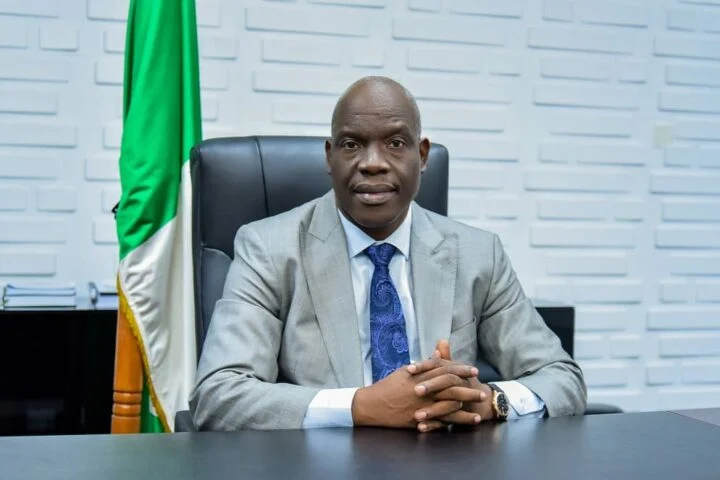
Nigeria has called for international bids on 12 oil blocks, promising a transparent and fair bidding process.
This announcement was made on Tuesday by the head of the Nigerian Upstream Petroleum Regulatory Commission (NUPRC), Gbenga Komolafe, during a speech at a global oil conference in Houston, Texas.
As Africa’s largest oil producer, Nigeria launched this year’s licensing round on April 29. The round targets both onshore and deepwater sites to boost the exploitation of its considerable natural resources, which include an estimated 37.5 billion barrels of crude oil and 209.26 trillion cubic feet of natural gas.
“Nigeria is committed to conducting the licensing round in a fair, competitive and transparent manner and ensuring a level playing field for indigenous and international investors,” Komolafe said.
In past bidding rounds, some investors hesitated to participate due to transparency issues and the awarding of oil fields to companies lacking the necessary operational capabilities. These problems led to threats of cancelling the awards.
The current initiative also includes concluding bids on seven deep offshore blocks from the 2022 mini-bid round. This brings the total number of blocks in this year’s offer to 19 oil blocks.
Furthermore, Komolafe asserted that the criteria for selecting winners will not only include their technical and commercial capabilities, but also their strategies for meeting Nigeria’s environmental goals. These include aligning with the country’s net-zero emissions targets, eliminating gas flaring, and preventing pollution of rivers and farmlands.
The bid comes at a time when Nigeria is experiencing a decline in oil production. A decade ago, Nigeria produced around 2 million barrels a day. Now, it is just over 1.3 million barrels a day. The shift is partly due to major oil companies moving from onshore fields, which are more vulnerable to sabotage and environmental claims, to more secure deepwater fields.
Read: WHO Deploys 720 First Responders to Aid Kenya’s Flood Crisis, Provide Health Services
About The Author


Related Articles
Abia to Host South-East’s First National Park as Otti Approves Establishment
Abia State Governor, Alex Otti, has given his full backing to the...
Tinubu Signs Executive Order to Unlock $50 Billion Oil Investment, Gives Tax Breaks to Rich Companies While Nigerians Pay More Taxes
President Bola Tinubu has signed the Deep Offshore Oil and Gas Projects...


President Tinubu Signed Electoral Act 2026 That Removes Certificate Forgery as Ground for Election Petitions, Nigerians Say Law Shields Criminals
President Bola Tinubu signed the Electoral Act 2026 into law on February...
How Lagos’ Dirty Culture Followed Tinubu to Abuja
When President Bola Tinubu moved from Lagos to Abuja in 2023, many...