





Ghana Cuts Fuel Exports to Burkina Faso and Mali to Protect Its Own Supply
 West Africa WeeklySeptember 18, 20262 Mins read14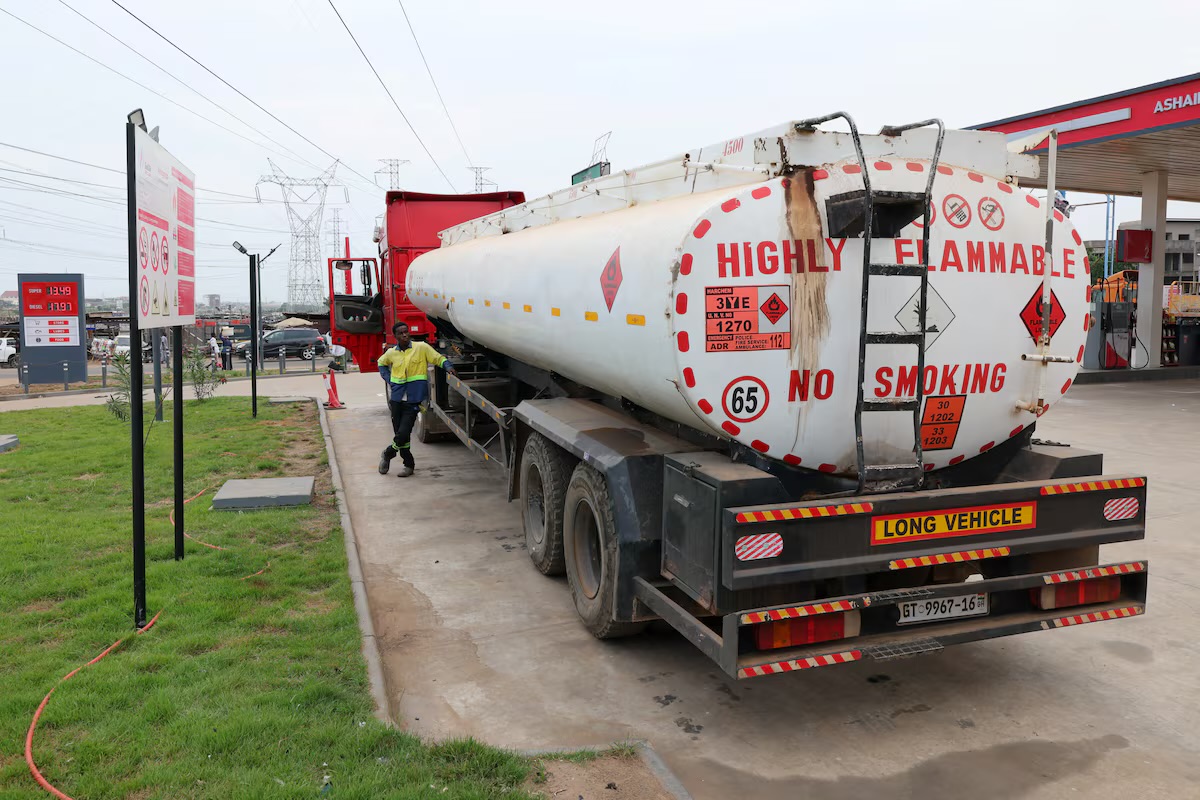
Ghana’s state-owned fuel distributor BOST Energies has reduced diesel and gasoline exports to Burkina Faso and Mali since August, prioritising domestic demand as global fuel markets tighten. Managing Director Afetsi Awoonor said the conflict in Ukraine and the Middle East has tightened oil and gas supplies globally, driving fuel prices to record highs ahead of peak harvest and winter demand.
BOST managed to supply only half of the 80,000 metric tons of fuel Burkina Faso requested in July and August, Awoonor told Reuters on the sidelines of an energy conference in Bangkok. During the same period, BOST exported 10,000 tons of fuel to Mali, though the country had requested an extra 40,000 tons for August and September. “Supply is available, but it’s at a high cost,” Awoonor said, adding that sharp increases in demand had strained supplies and complicated efforts to keep domestic fuel prices stable.
In Ghana, where BOST holds a 30 per cent market share, diesel consumption continues to grow as economic activity expands. Diesel accounts for two-thirds of BOST’s supplies. Ghana’s fuel prices rose earlier this year on global supply fears but have since eased, helped by a stronger currency and government intervention. BOST also plans to build a liquefied petroleum gas terminal in the industrial city of Tema by the fourth quarter of next year and to start importing the cooking gas. The company plans to build an LPG storage facility in Kumasi, Ghana’s second-largest city, to distribute the fuel, with a plan to build terminals at six locations in phases.
Mali, Burkina Faso and Niger depend heavily on fuel imports from coastal neighbours including Ghana and Ivory Coast. The three Sahelian countries are ruled by military governments that seized power in coups and are battling Islamist insurgencies linked to al Qaeda and Islamic State. For Mali, the squeeze comes after repeated attacks on fuel convoys along its main southern supply corridor from Côte d’Ivoire. Mali imports about 57 per cent of its fuel from Côte d’Ivoire, underscoring the importance of alternative coastal supply routes.
The reductions come as disruptions linked to conflicts in the Middle East and Ukraine have tightened global fuel supplies and pushed international prices higher. The squeeze has already altered West African trade flows. Nigeria’s Dangote refinery increased petroleum-product exports to African markets earlier this year, including Ghana, as reduced flows of lower-cost fuel from Europe and the Gulf pushed West African buyers towards regional supply.
The cuts underline the vulnerability of landlocked Sahel economies to disruptions in fuel flows from West Africa’s coastal states. Burkina Faso and Mali, along with Niger, rely heavily on imported petroleum products routed through countries including Ghana and Côte d’Ivoire. BOST has also clarified that the reduction in fuel export volumes is not the result of an impending fuel shortage in Ghana, with the National Petroleum Authority stating the country has enough petroleum products in stock to meet domestic demand for at least six weeks.
About The Author



Related Articles
Gambian Businesses Struggle Under Prolonged Blackouts as Anger Mounts Ahead of December Election
Gambian businesses are collapsing under the weight of prolonged power cuts that...
Chelle Names Osimhen, Lookman, Ndidi in 24-Man Super Eagles Squad for 2027 AFCON Qualifiers
Super Eagles head coach Éric Chelle has unveiled a 24-man squad for...

ASUU Strike Threatens to Shut Down Federal Universities as Nigerians Accuse Media of Ignoring the Crisis
The Academic Staff Union of Universities is on the verge of a...

French Troops in Abidjan While Russian Tanks Roll Through Sahel, X User Sparks Fresh Debate on Foreign Influence in West Africa
A social media post by X user De Black Star (@niq_black) has...
Leave a comment