




Nigeria Approves 33 New Universities While Education Quality and Jobs Remain in Crisis
 West Africa WeeklyFebruary 19, 20262 Mins read808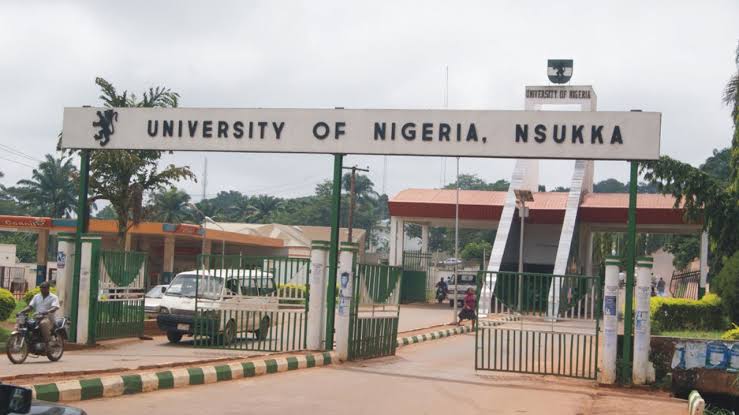
Nigeria has approved 33 new universities, bringing the total number of sanctioned higher education institutions to 309 nationwide. The move, authorised by the National Universities Commission, comes at a time when the country’s education system continues to struggle with persistent quality issues, chronic funding problems, student disruptions, and a job market that cannot absorb the graduates it produces.
The expansion includes a mix of private, state, and federal proposals that cleared regulatory scrutiny. The NUC’s announcement framed the approvals as part of a broader effort to widen access to tertiary education for Nigeria’s burgeoning youth population. With millions of young Nigerians seeking university placement each year, the demand for more seats and institutions has been a long‑standing challenge.
But for many students and families, the problems in the country’s schools go far beyond capacity.
Many existing universities continue to operate with inadequate infrastructure, a shortage of qualified instructors, outdated labs and classrooms, and limited funding. Frequent strikes by academic staff have become part of the academic calendar, disrupting course schedules for weeks or months. These walkouts are typically driven by complaints over unpaid salaries, poor facilities, and long‑standing disagreements between university unions and government authorities. The result is a cycle of delays in academic calendars, prolonged graduations, and students spending years longer than expected to complete their degrees.
Primary and secondary education in Nigeria faces its own set of difficulties. Many public schools lack basic resources, teachers in rural areas are underpaid or absent, and parents struggling to afford private schooling see their children fall behind early in foundational learning. When students eventually make it to university, gaps in basic literacy and numeracy skills can make higher education even harder to navigate.
While access to universities has broadened, the link between graduating and meaningful employment has narrowed. Nigeria’s youth unemployment rate remains among the highest in the world. Millions of graduates find themselves unable to secure formal jobs even after years of study. Many accept underpaid, unstable work in the informal economy or pursue freelance and gig opportunities out of necessity, not choice. A growing number of Nigerians with degrees feel compelled to seek opportunities overseas because the domestic job market does not offer stable career paths.
The mismatch between education outputs and labour market needs has left policymakers grappling with how to reform the system. Employers frequently report that graduates lack practical skills, digital literacy, or specialised training needed in today’s economy. Universities have not consistently aligned curricula with modern industry demands, leaving many students with degrees that do not translate into clear job prospects.
As the government supports the creation of new universities, questions are emerging about whether expansion without a parallel focus on quality and relevance will change outcomes for students and the economy. With the economy under strain, basic services like power, security, and healthcare also compete for scarce resources, yet education remains a critical foundation for long‑term growth.
Supporters of expanding university numbers argue that more institutions can help meet the rising demand for higher education and reduce the pressure on overcrowded campuses. But the consensus among students, parents, and many public figures is that growth in numbers must come with improvements in teaching quality, learning resources, job preparation, and accountability mechanisms to make degrees meaningful in a competitive job market.
As Nigeria now counts 309 universities, the country stands at a crossroads. Expanding academic access may be only part of the solution. The deeper challenge remains transforming a system where many students enter with big aspirations and leave with diplomas that do not guarantee stable employment or economic security.
About The Author



Related Articles
Ethiopia Opens Its First Gold Refinery With $50 Million Investment
Ethiopia has inaugurated its first national precious metals refinery, a $50 million...

Gunmen Kill Worshippers in Kaduna Churches as Intersociety Says 3,083 Christians Killed in Eight Months
At least seven worshippers were killed and several others abducted when armed...

Ghana and US Crack Down on $10m Cyber Scam Network as Credit Dispute Erupts
Ghanaian and United States authorities have dismantled a major cybercrime operation in...


US Builds Largest Consulate in the World in Lagos While Visa Ban Keeps Nigerians Out
The United States is constructing its largest consulate in the world in...
Leave a comment